Greywater Costs in 2026: How Rebates Slash Installation Expenses
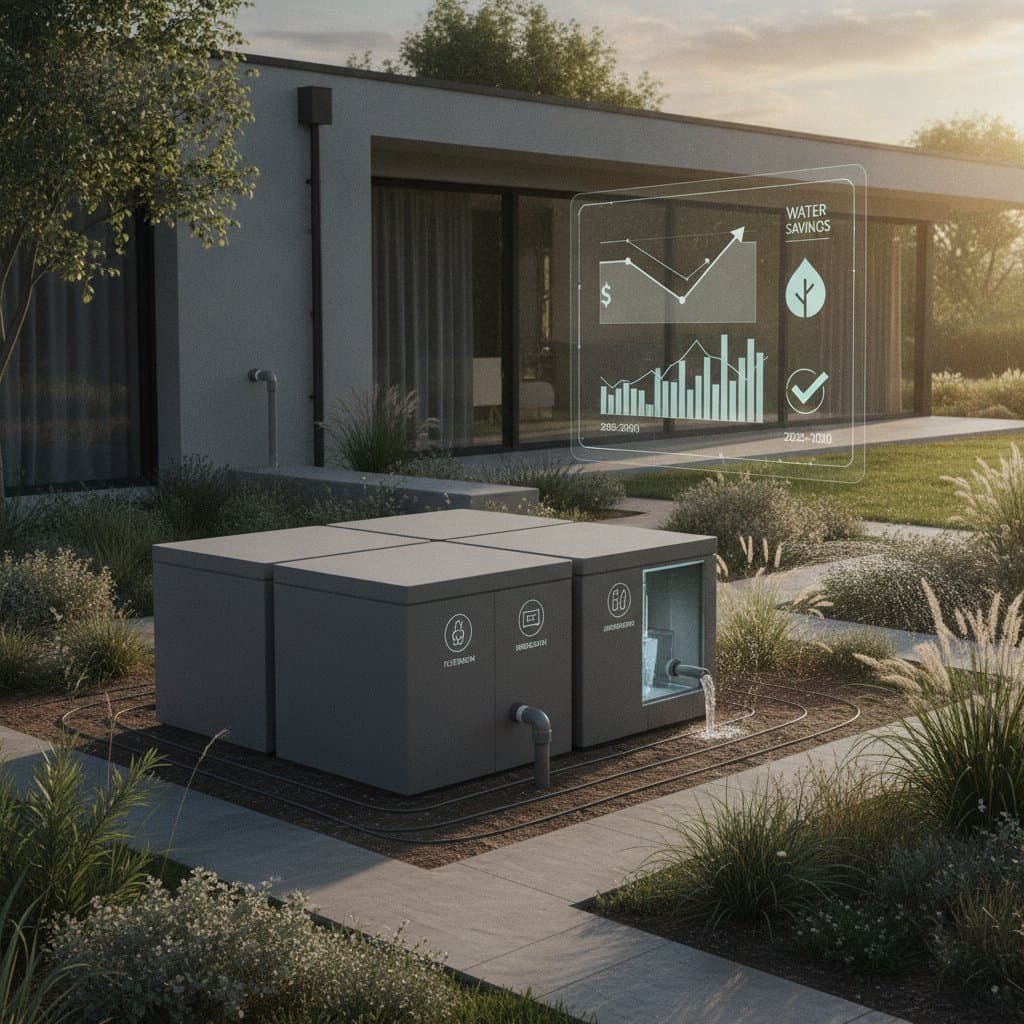
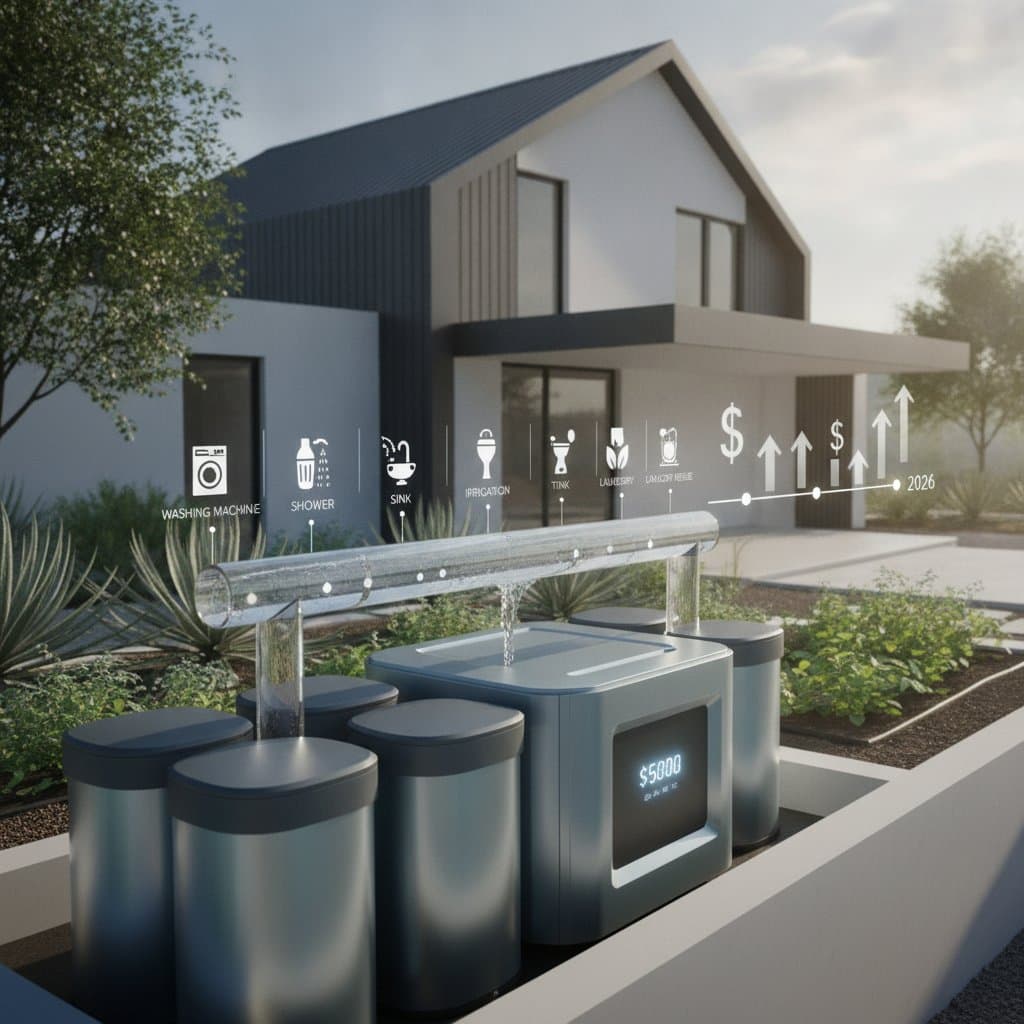
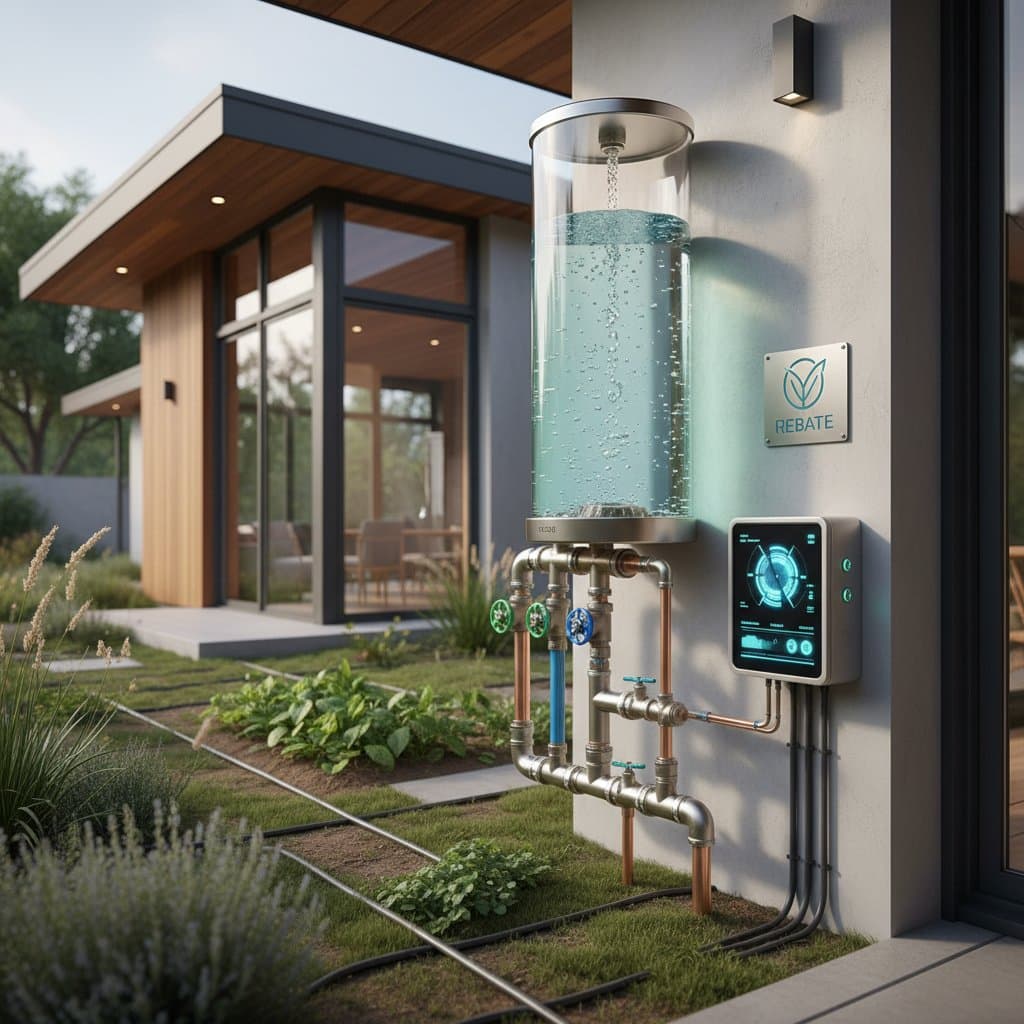
Greywater systems repurpose household wastewater from sources like showers, sinks, and washing machines for tasks such as garden irrigation or toilet flushing. Homeowners increasingly adopt these systems to promote sustainability and reduce water consumption. Installation and maintenance costs vary based on system complexity, location, and other factors. Knowledge of pricing structures, regional influences, and rebate opportunities enables informed decisions that minimize expenses and maximize environmental benefits.
Fundamentals of Greywater System Pricing
The average cost for installing a residential greywater system nationwide falls between $2,000 and $6,000. Basic diversion systems that route water directly to landscaping typically range from $2,000 to $3,000, while advanced configurations with filtration and storage tanks reach $4,000 to $6,000 or more. Urban locations often incur higher fees due to stringent building codes and elevated labor costs, whereas rural areas benefit from lower overhead and simpler permitting processes.
Pricing can fluctuate with seasonal demand; for instance, summer droughts increase interest in water conservation, prompting contractors to adjust rates upward. Supply chain disruptions affect component prices, such as PVC pipes, pumps, and filters, which may rise during periods of material shortages. Homeowners should obtain multiple quotes to account for these variables and secure the best value.
Common Pricing Models for Greywater Installations
Contractors employ diverse pricing strategies to suit different project scopes. Hourly billing, common for custom work, charges $70 to $120 per hour for tasks including system design, plumbing integration, and performance testing. Flat-rate options provide predictability for straightforward residential setups, often bundling materials and labor into a single fee.
For larger homes or commercial applications, providers calculate costs per fixture connected, such as sinks or laundry outlets. Some companies offer subscription-based maintenance plans at $200 to $400 annually, which cover filter changes, inspections, and minor repairs. These plans help distribute ongoing expenses evenly over time.
Service Tiers and Associated Costs
Greywater systems come in tiers to match varying needs and budgets.
- Basic Tier: Gravity-based systems route water to outdoor use without pumps or filters, costing $2,000 to $3,000. Ideal for simple landscapes, these require minimal plumbing modifications.
- Standard Tier: Includes basic filtration and pumps for reliable distribution, priced at $4,000 to $6,000. Suitable for homes with moderate water output and indoor-outdoor applications.
- Premium Tier: Features automated controls, expanded storage, and smart home compatibility, ranging from $8,000 to $10,000. These systems optimize efficiency through app-based monitoring.
- Custom or Commercial Tier: Tailored for complex sites or businesses, these exceed $15,000 due to advanced engineering and compliance with industrial standards.
Selecting a tier involves assessing household water usage and reuse goals to avoid over- or under-investing.
Factors That Drive Greywater System Costs
Home size and layout significantly impact expenses; more bathrooms generate higher water volumes, necessitating larger components. Older properties might require plumbing upgrades, adding $500 to $2,000 in retrofitting labor. Landscape scale influences irrigation needs, while indoor reuse demands certified filters and backflow preventers to meet health codes, increasing material outlays by 20 to 30 percent.
Opting for eco-friendly materials like recycled plastics or low-energy pumps raises initial costs but yields savings on energy bills. Local water quality also plays a role; areas with hard water may need specialized treatments, elevating filtration expenses. Consulting a professional early helps identify these elements and refine budget estimates.
Additional Services and Potential Fees
Homeowners often enhance systems with optional features for better performance. Water quality assessments, essential for safe reuse, cost $50 to $100 per evaluation. Monitoring sensors and remote access tools add $200 to $500, allowing real-time alerts on system status via mobile devices.
Rush installations, requested during peak seasons, can inflate totals by 10 to 20 percent based on contractor schedules. Permits and inspections, typically $100 to $300, vary by municipality. Bundling these services upfront often secures discounts and streamlines the process.
Leveraging Rebates to Reduce Expenses
Rebates from utilities, state programs, and local governments can offset 10 to 50 percent of installation costs, making greywater systems more accessible. In water-scarce regions like California or Arizona, incentives reach up to $3,000 for systems handling multiple fixtures. Eligibility usually requires energy-efficient designs and proof of water savings, such as reduced meter readings post-installation.
To claim rebates, verify program details through local water authorities and select certified contractors who manage paperwork. Pre-approval ensures coverage, preventing out-of-pocket surprises. These financial aids not only lower barriers but also encourage broader adoption of sustainable practices.
Steps to Install a Cost-Effective Greywater System
Begin by researching local rebate programs and compiling a list of licensed contractors experienced in greywater. Request itemized quotes specifying materials, labor hours, and any add-ons to compare apples-to-apples. Confirm compliance with plumbing codes and inquire about post-installation support, including warranty details.
Schedule a site assessment to evaluate your home's plumbing and water flow, which informs the optimal system tier. Apply for rebates before committing to work, as some require upfront documentation. Track all receipts and submit claims promptly to realize savings.
Realizing Long-Term Benefits from Greywater Investment
A thoughtfully installed greywater system cuts monthly water bills by 30 to 50 percent, depending on usage patterns. It bolsters home resilience against droughts and elevates property appeal in eco-conscious markets, potentially increasing resale value by 5 to 10 percent. By integrating rebates and strategic planning, homeowners secure immediate cost relief alongside enduring environmental and financial gains.