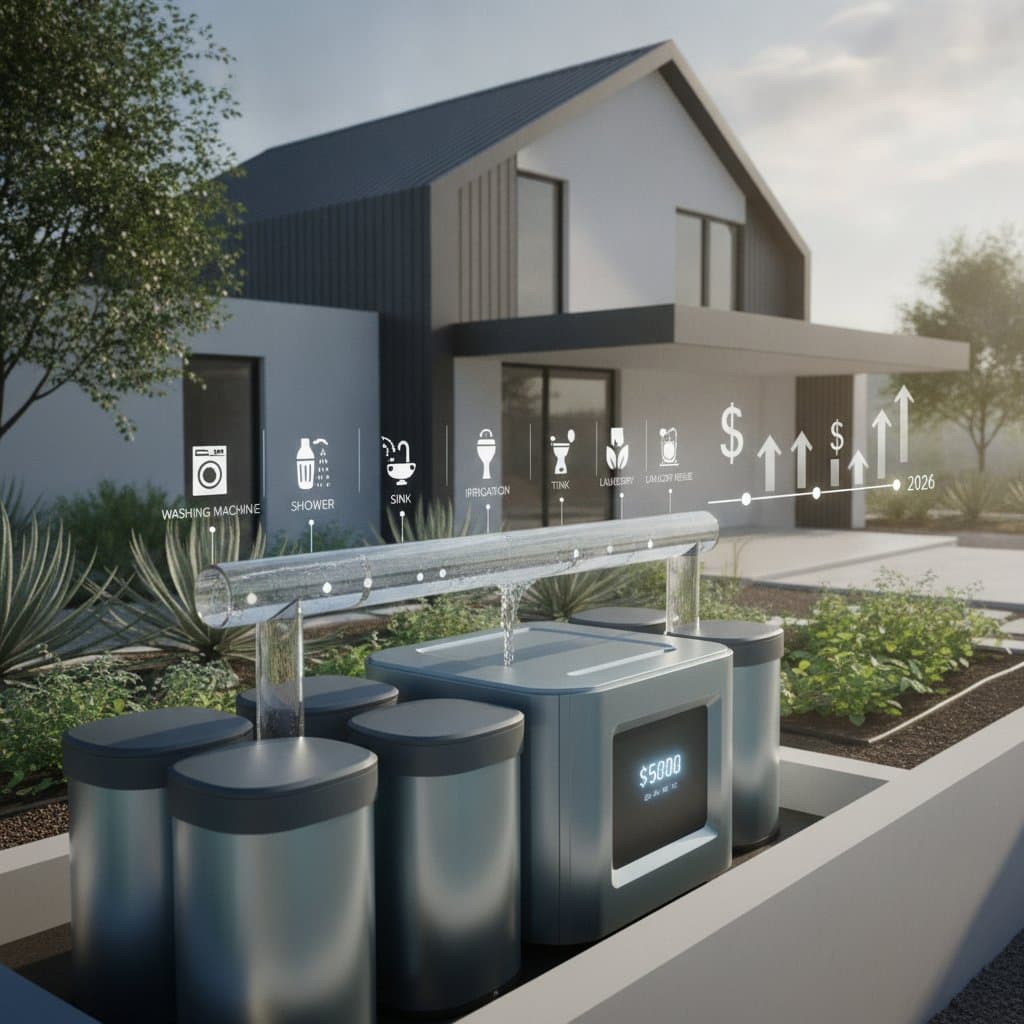

Understanding Greywater Systems and Their Costs in 2026
Greywater refers to wastewater from sinks, showers, and laundry that can be reused for non-potable purposes like garden irrigation. In 2026, installing such a system presents a practical solution for water conservation amid rising utility rates and environmental concerns. Costs vary widely based on system complexity, scale, and installation method, typically ranging from $150 for basic DIY setups to $8,000 for comprehensive professional installations.
Factors influencing price include the type of greywater source, filtration requirements, and distribution method. Simple systems divert laundry water directly to landscaping, while advanced ones incorporate storage tanks and pumps for broader reuse. Local regulations also play a role, as permit fees can add $100 to $500 depending on the jurisdiction.
Breaking Down Installation Costs
Basic DIY greywater systems start at $150, covering hoses, diverter valves, and mulch basins for subsurface irrigation. These setups suit small yards and require minimal tools, such as a wrench and basic plumbing supplies. However, they limit reuse to outdoor applications only.
Mid-range systems, priced between $500 and $2,000, include surge tanks and basic filters to handle water from multiple fixtures. Professional installation in this category ensures proper sizing for household needs, preventing overloads that could lead to backups. For larger homes or those integrating indoor reuse, costs climb to $3,000 to $8,000, incorporating advanced treatment like sand filters or UV disinfection.
Additional expenses arise from site-specific adaptations. Sloped properties may need extra piping, adding $200 to $500, while urban lots could require compact designs to fit limited space. Energy-efficient pumps and automated controls further increase upfront investment but yield quicker returns through reduced operational costs.
Permit Requirements and Compliance
Permits remain essential for greywater installations in 2026, with most municipalities mandating approval to safeguard public health and prevent groundwater contamination. Application processes involve submitting system diagrams, water quality assessments, and proof of backflow prevention devices. Fees range from $50 for simple systems to $300 for complex ones, and processing times vary from one week to several months.
Some areas streamline approvals for low-risk laundry-to-landscape systems, waiving full inspections if standards are met. Homeowners should consult local building departments early to identify requirements, such as setbacks from wells or edible gardens. Non-compliance risks fines up to $1,000 or system removal orders, underscoring the value of professional assistance in navigating bureaucracy.
Maintenance Needs and Ongoing Expenses
Greywater systems demand regular upkeep to maintain efficiency and hygiene. Filters require cleaning or replacement every three to six months, costing $20 to $100 annually depending on the model. Pumps and valves benefit from yearly inspections, which can prevent failures that might otherwise lead to $500 in repairs.
While DIY projects may appear cheaper initially, errors such as improper sealing can result in leaks or contamination, potentially causing water damage repairs exceeding $1,000. Professional systems often include maintenance contracts for $200 per year, providing peace of mind and extending equipment lifespan.
Long-Term Savings Potential
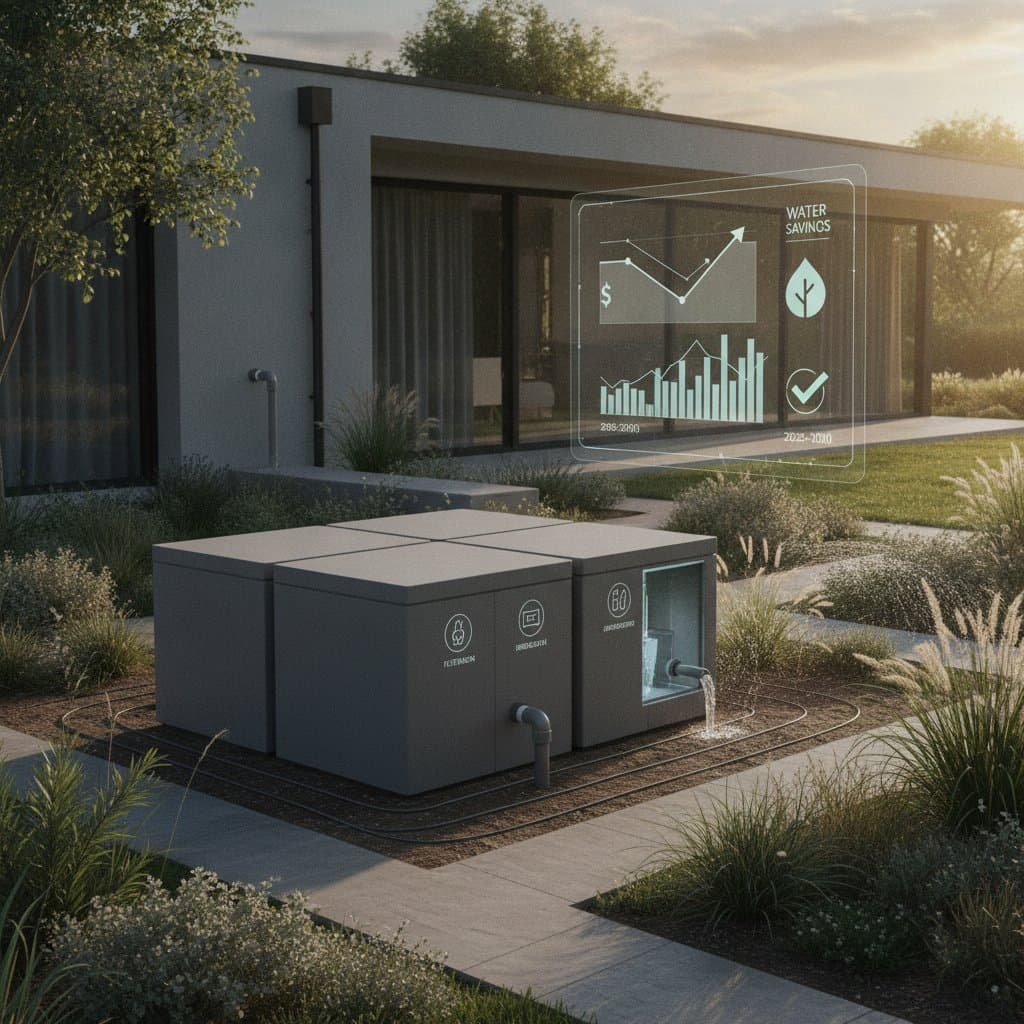
A properly designed greywater system can lower water bills by 25 to 40 percent, with greater impacts in high-cost regions like California or Australia. For a household using 100 gallons daily for irrigation, annual savings might reach $300 to $500. The system recoups its cost in three to seven years, accelerating payback when paired with drought-resistant plants and drip irrigation.
Beyond finances, these systems reduce strain on municipal supplies and lessen flood risks during heavy rains by diverting runoff. Long-term benefits include enhanced property value, as eco-friendly features appeal to buyers in sustainability-focused markets.
DIY vs Professional Installation: Key Considerations
Advantages of DIY Approaches
DIY installations offer upfront savings and customization for budget-conscious homeowners. Individuals with plumbing knowledge can complete a basic setup in a weekend, using off-the-shelf components like three-way valves and gravel-filled basins. This method empowers experimentation, such as testing small-scale diversions before scaling up.
Challenges of DIY Projects
Inexperienced attempts risk plumbing errors, leading to leaks that damage foundations or introduce pathogens to soil. Securing permits proves difficult without engineered plans, and systems may lack capacity for expanded use, limiting future adaptability.
Advantages of Professional Services
Professionals guarantee adherence to building codes, minimizing health hazards through certified materials and installation techniques. They provide warranties covering defects for five to ten years and offer tailored designs that optimize flow rates and energy use.
Challenges of Professional Installations
Elevated costs reflect labor and expertise, with projects potentially delayed by contractor schedules. Homeowners must coordinate multiple trades, such as electricians for pump wiring, extending timelines to two weeks in busy seasons.
Frequently Asked Questions About Greywater Systems
Do Permits Apply to All Greywater Installations?
Yes, nearly all locations require permits for systems altering plumbing or distributing water subsurface. Simplified processes exist for basic laundry diversions in some states, but verification with local authorities is crucial.
What Does a Professional Installation Entail?
Services typically encompass initial site evaluations, secure plumbing integrations, multi-stage filtration, tank and pump setups, and full permit management. Technicians test the system post-installation to confirm leak-free operation.
How Frequent Is Maintenance?
Routine tasks include filter servicing every few months and annual checks on mechanical components. Monitoring for clogs or unusual odors helps catch issues early, preserving system performance.
Is Greywater Safe for Edible Gardens?
Use requires robust filtration and subsurface application to avoid contact with harvestable parts. Select biodegradable soaps to minimize chemical residues, and maintain separation from root vegetables.
What Risks Involve Water Quality?
Poor designs foster bacterial proliferation or unpleasant smells if stagnation occurs. Adhering to guidelines, including regular flushing and approved surfactants, mitigates these concerns effectively.
What Indicates a Subpar System?
Watch for absent backflow safeguards, vague permitting details, or missing upkeep protocols. Reputable providers detail all components and provide operational manuals.
How Long Does Installation Last?
Professional projects wrap up in three to five days after permit approval, assuming accessible site conditions. DIY efforts vary but often span a full day for straightforward configurations.
Are Incentives Available?
Many regions provide rebates up to $1,000 for conservation technologies. Local utility companies or environmental agencies often list programs; apply prior to starting work to offset expenses.
Steps to Prepare Your Greywater Project
Start by mapping your home's plumbing to pinpoint greywater sources like bathroom sinks and washing machines. Review municipal codes online or via department visits to understand restrictions on reuse locations. Establish a budget covering materials, labor, and a 20 percent contingency for surprises.
For professional routes, solicit bids from three licensed contractors, evaluating their experience with similar projects and warranty terms. Test soil drainage in intended irrigation areas to ensure absorption rates support the system's output.
Implementing Your System for Lasting Impact
Launching a greywater initiative advances personal sustainability while trimming utility costs. Opt for a DIY path if skills align, or engage experts for reliability. Through diligent planning, permit adherence, and consistent care, your system delivers enduring resource efficiency and financial rewards.