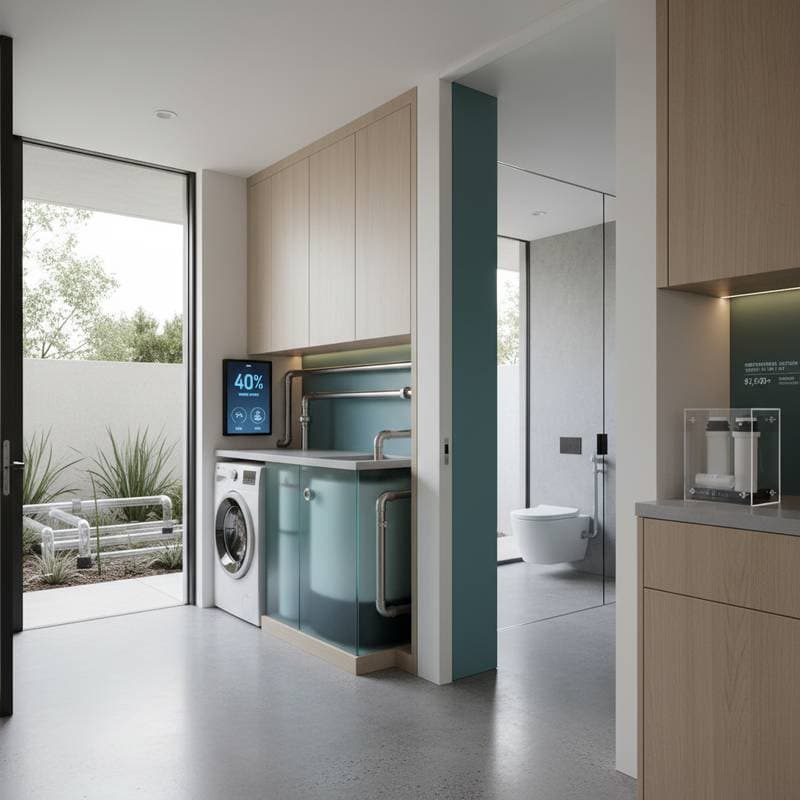
Greywater Systems Reduce Home Water Use by 40 Percent
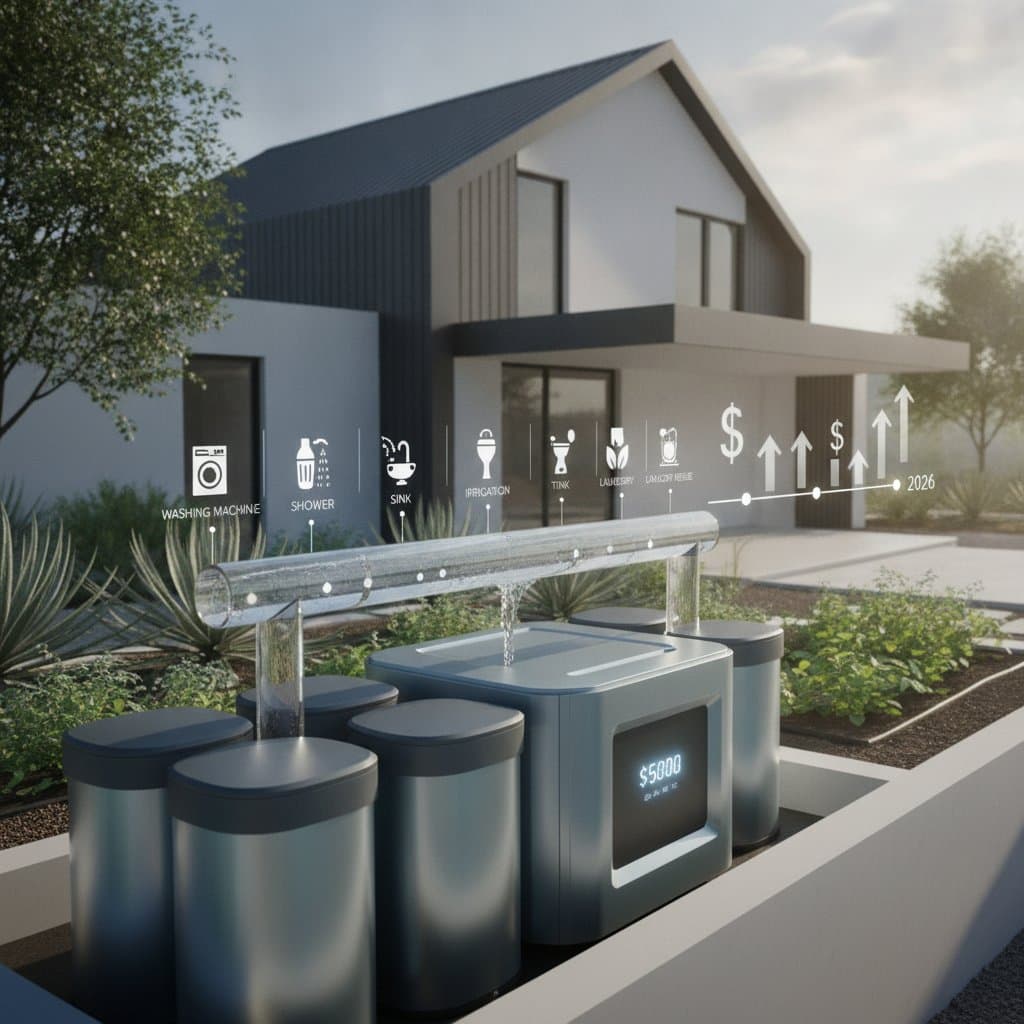
Greywater systems repurpose household wastewater for non-potable uses such as toilet flushing, irrigation, and laundry. These systems conserve freshwater resources and lower utility bills. Homeowners in 2026 can expect costs from basic $500 installations to sophisticated $15,000 setups, with potential savings up to 50 percent on water expenses through diligent maintenance.
Factors Influencing Installation Costs
Several elements determine the expense of a greywater system. System complexity plays a key role; simple diversion setups cost less than those with treatment or pumping mechanisms. Local building codes may require permits, adding fees that vary by region.
- Soil and Yard Access: Systems for landscape irrigation involve trenching and pipe laying, which elevate expenses.
- Storage Capacity: Bigger tanks allow greater reuse volume yet demand more materials and labor.
Professionals on the Home Improvement subreddit report that integrating greywater during remodels saves thirty percent compared to retrofits. Open walls and accessible plumbing in new projects shorten installation timelines.
DIY or Professional Installation Options
A competent DIY enthusiast can set up a basic greywater diversion for garden watering, particularly from a washing machine. Such projects need flexible tubing, a compact filter, and straightforward plumbing ties. Completion typically requires one weekend and stays under $1,000.
Advanced configurations handling various sources or incorporating pumps demand licensed experts. Faulty setups risk contaminating drinking water lines, posing health risks and breaching codes. Professionals guarantee backflow safeguards and regulatory adherence. Plumbing specialists bill $70 to $100 hourly for this expertise.
Ongoing Operating and Maintenance Expenses
Installed systems incur low running costs. Filters require cleaning or swapping every few months, while pumps need checks every few years. Yearly upkeep ranges from $100 to $300.
Power consumption remains slight, as small pumps activate only during collection or distribution. Gravity-based designs operate without electricity in most cases.
Routine care averts odors and blockages, frequent complaints on forums like GreenBuildingTalk. Opting for biodegradable detergents minimizes soap buildup and prolongs filter durability.
Projected Water and Cost Savings
Households consume thousands of gallons of drinking water monthly, much for toilet flushing and lawn care. Greywater reuse slashes this volume significantly.
Based on regional rates, a suitable system cuts bills by 20 to 50 percent monthly. Savings recoup initial outlays over years. In water-stressed areas, local incentives like rebates or tax breaks accelerate payback.
Environmental Advantages for Sustainability
Greywater systems safeguard freshwater supplies beyond financial gains. They ease pressure on treatment facilities and curb environmental wastewater discharge. In scarcity zones, recycling bolsters community water security for critical needs.
The American Rainwater Catchment Systems Association highlights how irrigation with greywater enhances soil quality. Diluted nutrients from soaps aid plant growth and lessen reliance on chemical fertilizers.
Greywater Versus Rainwater Harvesting
Homeowners often weigh greywater against rainwater collection. Both diminish freshwater reliance, yet differ in reliability. Greywater yields steady supply from routine activities, unlike weather-dependent rainwater.
Rainwater setups need ample tanks and roof filters, inflating prices. Pairing the two maximizes efficiency: greywater for indoor tasks, rainwater for outdoor dry-period watering. This duo approaches water self-sufficiency for non-drinking purposes.
Indicators for Professional Intervention
Specific signals warrant expert review of greywater systems. Persistent smells, sluggish flow, tinted output, or alerts signal issues. Ultraviolet units demand timely bulb changes for efficacy.
Annual professional audits confirm optimal function and catch problems early.
Sustaining Long-Term Performance
Properly tended systems endure 20 years or longer. Regularly examine filters, pumps, and seals; log service dates for reference.
During renovations, consult plumbers to verify new elements integrate seamlessly. As water prices climb, greywater adoption yields economic and ecological rewards. It converts waste to asset, fortifies sustainability, and elevates property worth through planned investment and upkeep.