Reduce Water Bills with Greywater Systems: Costs, Permits, and Implementation
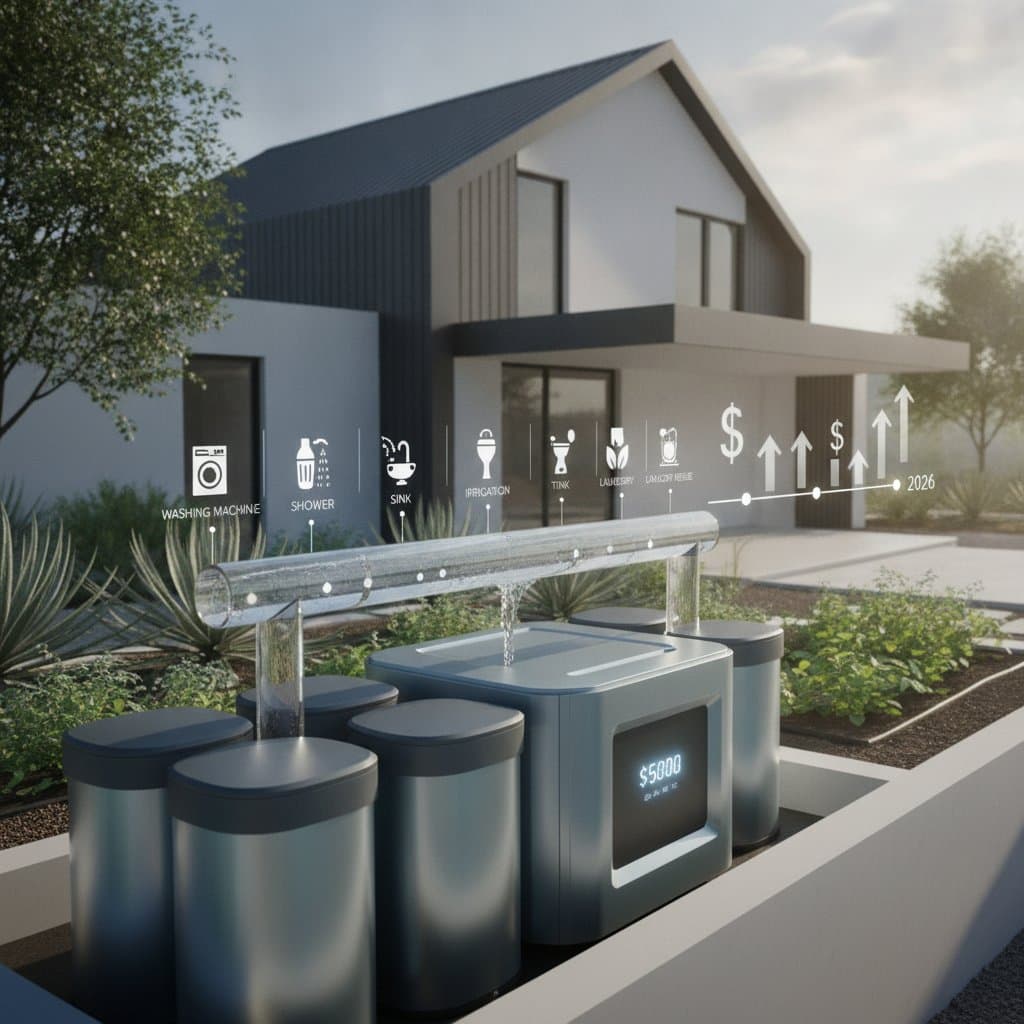
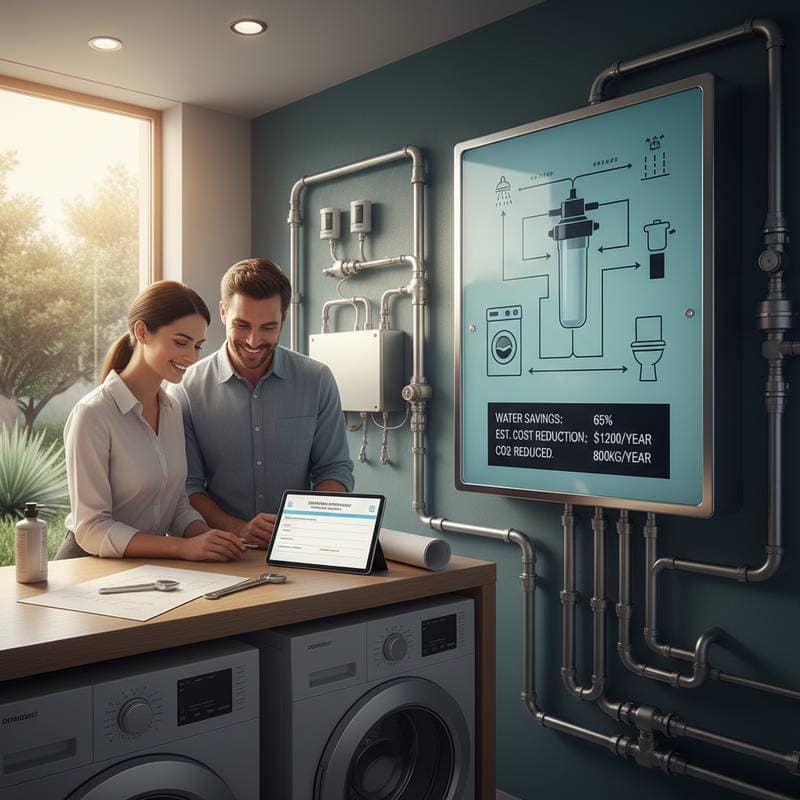
Rising water costs and increasing environmental concerns prompt homeowners to examine household water usage more closely. Greywater recycling systems offer a practical approach by capturing water from sources such as showers, bathroom sinks, and laundry machines. This water undergoes treatment for reuse in irrigation or toilet flushing, which decreases reliance on municipal supplies and fosters sustainable living.
Implementing a greywater system demands careful planning, appropriate components, and adherence to local plumbing and environmental codes. Homeowners benefit from grasping the complete picture of expenses, permitting procedures, and upkeep requirements. Such knowledge supports informed choices prior to proceeding with installation.
Estimating Greywater System Costs
Expenses for greywater systems differ based on home size, existing plumbing configuration, and regional regulations. A basic single-zone setup for landscape watering might cost around the price of a standard appliance, starting at approximately $800. In contrast, a comprehensive whole-home system could total $5,000 to $10,000 or more.
Basic System (Laundry-to-Landscape)
Homeowners seeking an economical entry point often select this option, which redirects laundry water directly to outdoor plants. The system incorporates a diverter valve, rudimentary filtration, and basic piping to connect with garden beds or lawns.
- Materials: Expect to pay $200 to $600 for pipes, fittings, filters, and valves from reputable suppliers.
- Labor: Hiring a licensed plumber typically ranges from $500 to $1,000, influenced by site accessibility and prevailing local wages.
- Permit fees: Certain jurisdictions waive permits for these straightforward systems provided they align with predefined standards, such as mulch basin usage.
Mid-Range System (Bathroom and Laundry Combined)
This configuration gathers greywater from various fixtures and features a modest storage tank for distribution. It supports applications like garden irrigation and indoor toilet replenishment, offering versatility for medium-sized households.
- Materials: Costs range from $1,000 to $2,000 to cover tanks, advanced filters, and small pumps.
- Installation: Professional services average $1,000 to $2,000, accounting for plumbing integrations and testing.
- Permits: Fees generally fall between $100 and $500, varying by local authority requirements for multi-source collection.
Advanced Whole-Home System
Sophisticated setups process greywater from nearly all household sources, employing methods like UV disinfection or biological treatment for high-quality reuse. These systems integrate seamlessly with existing infrastructure, often including automated controls.
- Materials: Budget $3,000 to $6,000 for storage tanks, sensors, and specialized filtration equipment.
- Labor: Intricate work demands $2,000 to $4,000, particularly in homes with outdated plumbing that requires modifications.
- Maintenance: Annual expenses amount to $50 to $200 for replacing filters, inspecting pumps, and performing cleanings to ensure optimal function.
One homeowner shared in an online sustainable living discussion that their mid-range installation in a three-bathroom residence reduced water bills by almost 40 percent. They highlighted selecting robust filters and scheduling maintenance every three months as essential for sustained performance.
DIY vs Professional Installation
Capable individuals can manage simple projects, like routing laundry water to a garden, over a weekend using detailed online instructions and video demonstrations. Success hinges on consulting local building codes and selecting materials designed specifically for greywater handling to avoid health risks.
Professionals prove invaluable for intricate systems involving indoor connections, as they guarantee precise placement of diverter valves, pumps, and filters. Experts also account for factors such as pipe slopes to facilitate gravity flow and measures to prevent backflow contamination.
Comparing the Two Options
| Category | DIY Installation | Professional Installation |
|---|---|---|
| Upfront Cost | Lower, often materials only | Higher, includes expert labor |
| Time Commitment | Several days of personal effort | One to two days supervised |
| Code Compliance | Requires independent verification | Handled by licensed contractor |
| Long-term Reliability | Relies on individual expertise | Backed by warranties and inspections |
Many opt for a combined strategy: engage a plumber for core plumbing tasks, then personally manage outdoor lines and plant integration. This method trims expenses while upholding code standards for vital components.
Environmental and Financial Benefits
Greywater systems alleviate pressure on municipal water resources and preserve freshwater reserves. Households in drought-affected regions experience notable reductions in overall consumption, aligning with broader conservation efforts.
Research featured in sustainability publications indicates that water reuse installations recoup costs within five to seven years via utility savings and minimized irrigation needs. Even entry-level systems prevent the waste of thousands of gallons each year.
Key Advantages:
- Lower water bills: Redirecting greywater to irrigation or toilets decreases total usage by as much as 40 percent.
- Sustainable landscaping: Pairing with drought-resistant plants and efficient drip systems maximizes efficiency.
- Property value: Forward-thinking features like these appeal to environmentally aware buyers, potentially increasing resale appeal.
- Community impact: Collective implementation eases demands on public infrastructure, contributing to stable regional water management.
Navigating Permits and Regulations
Local codes govern greywater installations to safeguard public health and environmental quality. Begin by reviewing your area's plumbing and health department guidelines, which classify systems as simple diversion or treated reuse.
Simple outdoor-only setups often require minimal oversight, but indoor applications demand inspections for pathogen control. Submit detailed plans including system diagrams, material specifications, and intended uses to obtain approval. Processing times vary from a few weeks to months, so initiate early.
Consult certified installers familiar with jurisdiction-specific rules, such as setbacks from wells or edible gardens. Non-compliance risks fines or system removal, underscoring the value of professional guidance during permitting.
Steps to Implementation and Maintenance
Greywater recycling stands as a feasible enhancement for homeowners aiming to curb water expenses and embrace sustainability. Proper execution involves strategic planning, skilled installation, and regulatory adherence, yet delivers enduring advantages.
Assess your daily water patterns using utility records to determine system scale. Contact your local building office for permit specifics, then solicit estimates from qualified plumbers alongside DIY kit pricing. Select components from trusted manufacturers to ensure durability.
Post-installation, maintain the system through routine checks: clean filters quarterly, inspect for leaks monthly, and test water quality annually if required. Track savings via bill comparisons or integrate smart meters for real-time insights. These practices sustain efficiency and extend system lifespan.
Greywater adoption marks a proactive step in resource management. Homeowners gain autonomy over water consumption, ease burdens on communal supplies, and cultivate resilient properties. From basic diverters to advanced integrations, every reused gallon advances fiscal prudence and ecological responsibility.