Understanding Greywater System Costs, Permits, and Savings in 2026
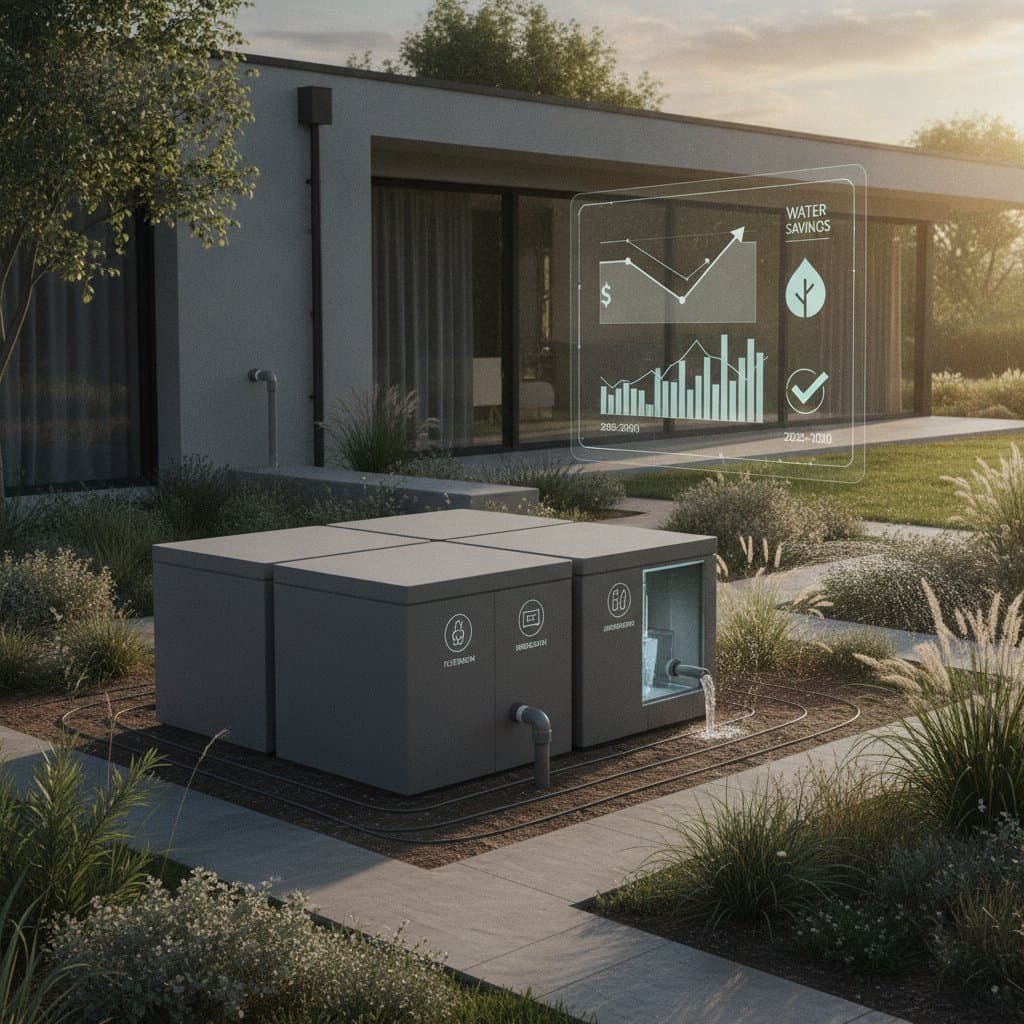
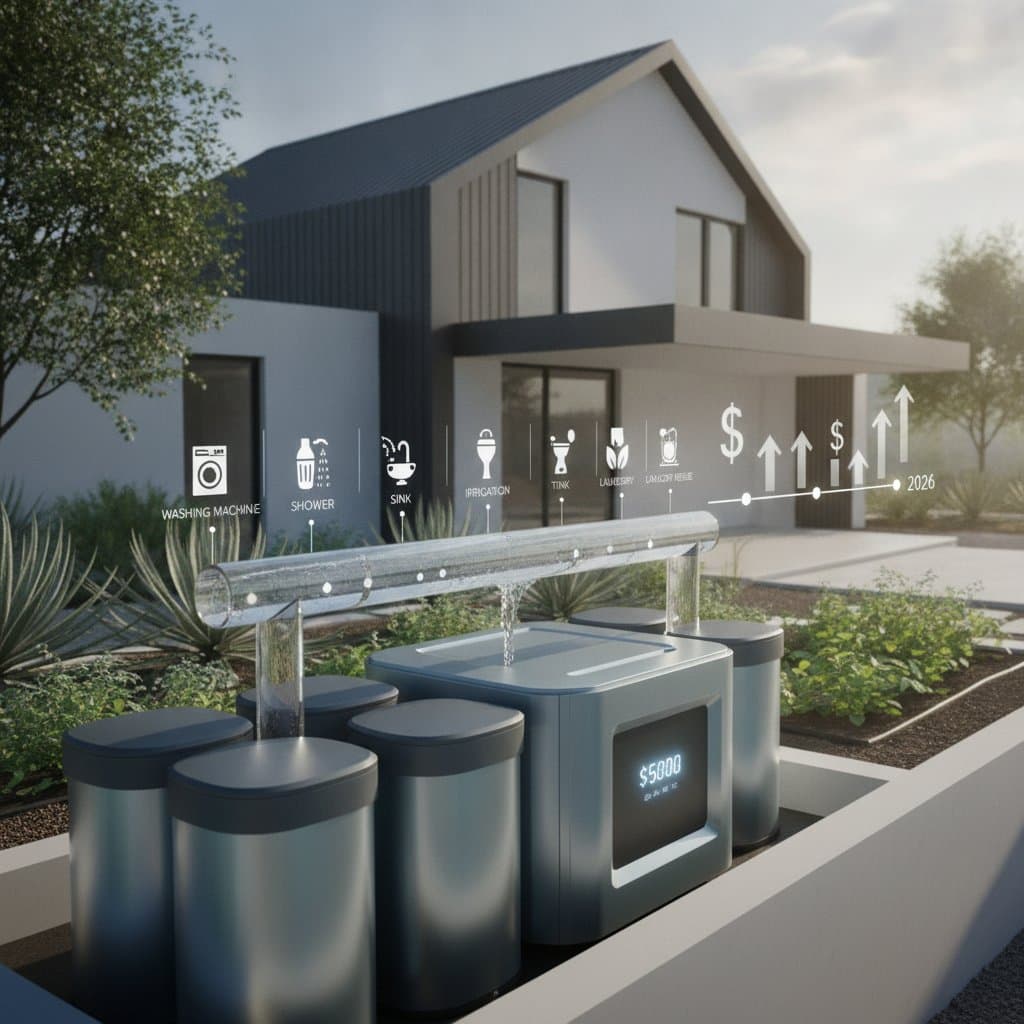
Homeowners increasingly turn to greywater systems to minimize water waste and trim utility expenses. These setups repurpose mildly contaminated water from sources like showers, sinks, and washing machines for tasks such as landscape irrigation or toilet flushing. This approach forms a closed-loop system that significantly lowers fresh water demand. Grasping the associated costs, regulatory hurdles, and financial benefits equips property owners to weigh environmental advantages against practical budgets.
Core Factors Shaping Greywater Installation Costs
Installation expenses for greywater systems hinge on elements like system design, site configuration, and regional rules. Across the nation, basic configurations typically run from $2,500 to $6,000. More intricate versions that tie into home plumbing for indoor applications may climb to $10,000 or higher. Simpler units dedicated to yard watering generally stay at the spectrum's lower boundary.
Location plays a pivotal role in pricing. In waterfront urban centers enforcing rigorous conservation measures, heightened interest pushes rates up. Arid zones facing frequent droughts frequently extend rebates or subsidies to ease the financial load. City environments, burdened by elevated labor expenses, often inflate installation fees by 15 to 30 percent over those in countryside areas.
Seasonal trends affect quotes as well. Demand surges in parched periods amid usage limits, prompting homeowners to act. Opting for off-peak timing can trim overall outlays. Broader economic factors, including lending rates and supply chain dynamics for items like pumps, reservoirs, and purifiers, further sway costs due to reliance on global sourcing.
Common Pricing Approaches for Greywater Projects
Providers employ diverse billing strategies tailored to project scale. Hourly billing prevails for minor modifications or repairs, spanning $75 to $150 each hour. Comprehensive endeavors favor fixed-rate proposals encompassing planning, workforce, and supplies. Such all-inclusive estimates simplify financial forecasting for residential undertakings.
Unit-based charges emerge in scenarios with multiple connection points, scaling fees per sink, shower, or washer integrated. This suits apartments or business venues where expansions occur incrementally. Package deals merge greywater setups with complementary features like rain collection or precise watering networks, yielding enhanced affordability. Though rare, ongoing care subscriptions exist, with some firms bundling yearly upkeep to maintain component vitality.
System Categories and Associated Price Ranges
Greywater solutions divide into four primary categories, each with distinct capabilities and expenses:
- Entry-Level Systems: Gravity-reliant conduits channel water from laundry or baths straight to external watering needs, incorporating elementary screening and user-operated valves. Expenses span $1,500 to $3,000.
- Mid-Range Systems: These incorporate pumps, self-regulating switches, and superior screening, ideal for average households with outdoor greenery. Pricing sits at $3,500 to $6,000.
- High-End Systems: Automated configurations repurpose water indoors, including for lavatory replenishment, demanding sophisticated pipework and official approvals. Costs fall between $7,000 and $10,000.
- Bespoke Systems: Customized for expansive residences, enterprises, or green initiatives, these surpass $15,000 based on engineering demands and reservoir scale.
Data from GreenFlow Plumbing indicates that 60 percent of clients select intermediate options for optimal cost-performance equilibrium. Advanced models attract those prioritizing extensive recycling and enduring efficiencies.
Elements That Drive Variations in Greywater Expenses
Multiple aspects determine the ultimate price
- Project Scale: Vast lots necessitate extended conduits and extra propulsion units.
- Technical Demands: Merging with current pipes or adding detection devices extends labor and hardware investments.
- Duration of Work: Basic exterior links wrap in one to two days; thorough interior mergers stretch to a week.
- Component Choices: Reservoir, purifier, and router quality differs; durable options like corrosion-proof steel command premiums yet endure longer.
- Approval Processes: Jurisdictions might mandate blueprint evaluations, pipe licenses, and ecological assessments, incurring clerical charges.
Optional Enhancements and Extra Fees
Initial bids frequently omit elective upgrades that boost performance and durability.
- Purification Improvements: Sophisticated barrier or organic screens run $300 to $800, broadening safe application scopes.
- Digital Oversight Tools: App-linked monitors for volume and purity tracking add $400 to $1,000.
- Reservoir Augmentation: Expanded holding units heighten volume at $500 to $1,200, varying by build and size.
- Rushed Timelines: Accelerated bookings or fast completions tack on 10 to 20 percent.
Professionals advise biannual or annual checkups at $150 to $300 apiece to sustain propulsion and screening efficacy.
Navigating Permits and Compliance Requirements
Most locales mandate approvals for greywater to uphold sanitation and ecological norms. Home setups incur $150 to $500 in licensing fees by area. Post-setup examinations may append $100 to $300 in review costs. Overlooking these steps risks penalties or mandated dismantling.
Accredited specialists navigate local mandates and handle documentation for clients. Engaging verified experts guarantees adherence to wellness protocols barring culinary or potable applications. Confirm your provider holds coverage and surety to shield against setup mishaps.
Calculating Long-Term Benefits and Payback Periods
These installations yield tangible fiscal gains progressively. Research by the Water Reuse Association reveals average families curtail potable water use by 25 to 40 percent. At prevailing tariffs, this yields $200 to $600 yearly reductions. In water-scarce locales with escalating rates, recoupment accelerates to five through eight years.
Pairing with efficient appliances or precipitation systems amplifies outcomes. Upkeep remains affordable relative to bill diminutions. Numerous regions furnish incentives reimbursing 10 to 30 percent of upfront spends, accelerating profitability.
Steps to Launch Your Greywater Initiative
Success stems from meticulous preparation and candid estimates. Solicit three or more bids, scrutinize credentials, and examine prior works. Align selections with site specifics, weather patterns, and occupancy levels for superior returns. Though initial outlays differ, blending reduced tariffs, incentives, and eco-gains positions greywater as a sound residential choice.