Microcement Flooring Costs in 2026
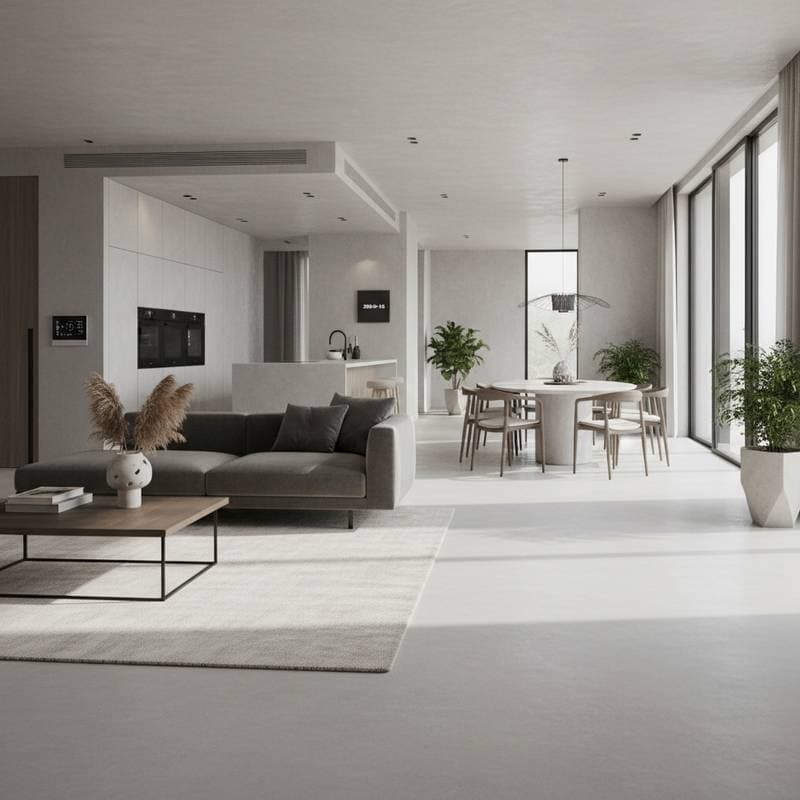
Microcement flooring ranks among the top choices for contemporary homes, offices, and retail environments. This material delivers a seamless surface with an industrial aesthetic, and it allows application directly over existing floors. As demand rises into 2026, many property owners seek clarity on installation expenses.
This resource details the elements influencing costs, contrasts microcement with alternative materials, and outlines budgeting expectations. For projects ranging from kitchen updates to bathroom renovations or commercial resurfacing, a thorough cost analysis supports informed choices and minimizes unexpected expenses.
Average Cost of Microcement Flooring
In 2026, microcement flooring installation typically ranges from $25 to $45 per square foot, encompassing materials and professional labor. Variations arise from project scale, substrate condition, selected product lines, and installer proficiency.
Typical Price Breakdown
- Materials: $8 to $15 per square foot, covering primer, base coats, microcement applications, sealers, and topcoats.
- Labor: $15 to $25 per square foot, accounting for surface preparation, application layers, and finishing techniques.
- Surface Preparation: $2 to $5 per square foot, including cleaning, repairs, and priming of the underlying substrate.
Smaller areas incur higher per-square-foot rates due to fixed setup costs and minimal material efficiencies. For instance, a 200-square-foot bathroom project might total $5,000 to $8,000. In contrast, a 1,000-square-foot open living space could range from $25,000 to $40,000, benefiting from reduced per-unit expenses through larger-scale efficiencies.
Comparison with Other Flooring Materials
Microcement stands alongside options such as polished concrete, ceramic tile, epoxy coatings, and luxury vinyl planks. While each material presents unique benefits, microcement provides an optimal blend of cost and performance.
| Material | Average Cost per sq. ft. | Key Advantages | Maintenance Level |
|---|---|---|---|
| Microcement | $25–$45 | Thin application over existing surfaces, seamless finish, extensive color options | Low |
| Polished Concrete | $20–$35 | Robust durability, authentic industrial vibe | Moderate |
| Ceramic Tile | $10–$25 | Diverse patterns, straightforward individual replacements | Moderate |
| Epoxy | $15–$30 | High-gloss sheen, resistance to chemicals | Low |
| Luxury Vinyl | $5–$15 | Budget-friendly, rapid installation | Low |
Microcement bridges the gap between polished concrete and epoxy in terms of visual appeal and expense. It achieves a concrete-like elegance without added structural load or extended curing periods, and it surpasses epoxy in customizable texture and depth.
Maintenance and Longevity
After sealing, microcement surfaces require minimal upkeep. Weekly sweeping followed by damp mopping with water maintains cleanliness. Opt for pH-neutral cleaners to avoid finish degradation from harsh chemicals.
With diligent care, these floors endure 15 to 20 years prior to resealing. Protect against scratches by using furniture pads and addressing spills promptly. In commercial settings with heavy foot traffic, schedule resealing every three to five years to sustain the protective layer. The lack of grout lines simplifies cleaning compared to tile or hardwood, enhancing hygiene and efficiency.
Cost-Saving Tips Without Sacrificing Quality
Budget-conscious projects benefit from targeted approaches that reduce expenses while upholding standards.
- Overlay Existing Substrates: Apply microcement directly over compatible tiles or concrete to eliminate demolition, debris removal, and associated labor charges.
- Select Standard Finishes: Opt for basic solid colors in matte or satin sheens, which cost less than intricate metallic or textured variants.
- Engage Local Specialists: Regional contractors often provide competitive rates versus national chains, delivering equivalent expertise through community-established reputations.
- Consolidate Project Phases: Treat multiple rooms as a single job to streamline mobilization, tool setup, and material procurement, lowering overall overhead.
- Implement Proactive Care: Consistent cleaning routines and timely resealing avert premature wear, reducing the need for expensive interventions over time.
What to Expect When Hiring a Professional
Evaluate potential installers by reviewing portfolios and client testimonials. Precision in application proves essential, as errors become permanent post-sealing. Established professionals furnish detailed estimates covering all components.
A comprehensive quote typically specifies:
- Layer counts, including base, microcement, and finish coats
- Sealer specifications and included warranty terms
- Timeline for curing intervals and overall completion
- Guidelines for ongoing surface care
Many firms provide virtual simulations to preview selected hues and finishes. Establish a formal agreement that delineates scope, timelines, and quality benchmarks to ensure alignment on deliverables.
Sustaining Microcement Performance
Microcement appeals to those prioritizing sleek design and resilience. Although initial investments exceed certain alternatives, the material's extended service life and enduring appeal justify the expenditure. Professional execution paired with routine maintenance secures decades of reliable, attractive performance.