Essential Fall HVAC Filter Maintenance for Optimal Performance
As temperatures drop and heating systems activate, the HVAC filter emerges as a critical component in your home. It captures dust, pollen, and pet dander, preventing these contaminants from spreading through living spaces. Fall presents an opportune moment to assess and replace filters, ensuring smooth operation during extended use and fostering better indoor air quality.
The Importance of Fall Filter Replacements
Summer cooling cycles accumulate debris in filters, which can impede airflow once heating begins. Restricted flow overworks the blower motor, a common precursor to furnace malfunctions as noted by experienced technicians. Proactive replacement in early fall mitigates these risks, averting repairs that often exceed several hundred dollars.
Autumn introduces additional challenges, including drier air and lingering outdoor allergens from decaying foliage. Fresh filters effectively capture these elements, reducing respiratory irritants. Households with allergy sufferers or respiratory conditions benefit most, experiencing fewer symptoms and greater overall comfort.
Filter Types and Recommended Replacement Intervals
Filters vary in construction and efficiency, influencing their durability and maintenance needs. Select the appropriate type based on your system's requirements and household demands for precise scheduling.
Fiberglass Filters
These economical options, common in basic setups, primarily trap large debris such as fibers and coarse dust. Their limited capacity necessitates replacement every 30 days. Install a new fiberglass filter at the onset of fall heating, then monitor monthly to maintain unrestricted airflow and system longevity.
Pleated Filters
Constructed from layered synthetic materials, pleated filters excel at capturing finer particles like pollen and spores. They typically endure 60 to 90 days under normal conditions. Perform a fall replacement during initial furnace startup, followed by a mid-season inspection to determine if an earlier change proves necessary.
Electrostatic Filters
Designed to generate an electric charge for enhanced particle attraction, these filters address dust and allergens effectively. Disposable models last approximately 90 days, whereas reusable variants require monthly cleaning. For washable types, rinse thoroughly with water, allow complete drying, and reinstall promptly to sustain performance.
HEPA Filters
These advanced filters remove up to 99.97 percent of microscopic particles, suiting homes with high allergen loads. Their density demands vigilant monitoring to avoid airflow reduction. Replace HEPA filters every four to six months, starting with a fresh unit in fall for consistent filtration during peak usage.
Establishing an Effective Replacement Routine
A structured schedule eliminates uncertainty in filter maintenance. Align changes with seasonal transitions for reliability.
- Early Fall Preparation: Examine filters in the main HVAC unit, return air registers, and any supplementary purifiers. Substitute or cleanse as needed prior to regular furnace cycling.
- Mid-Fall Monitoring: Visually assess for dirt accumulation or darkening. Proceed with immediate replacement if obstruction appears evident.
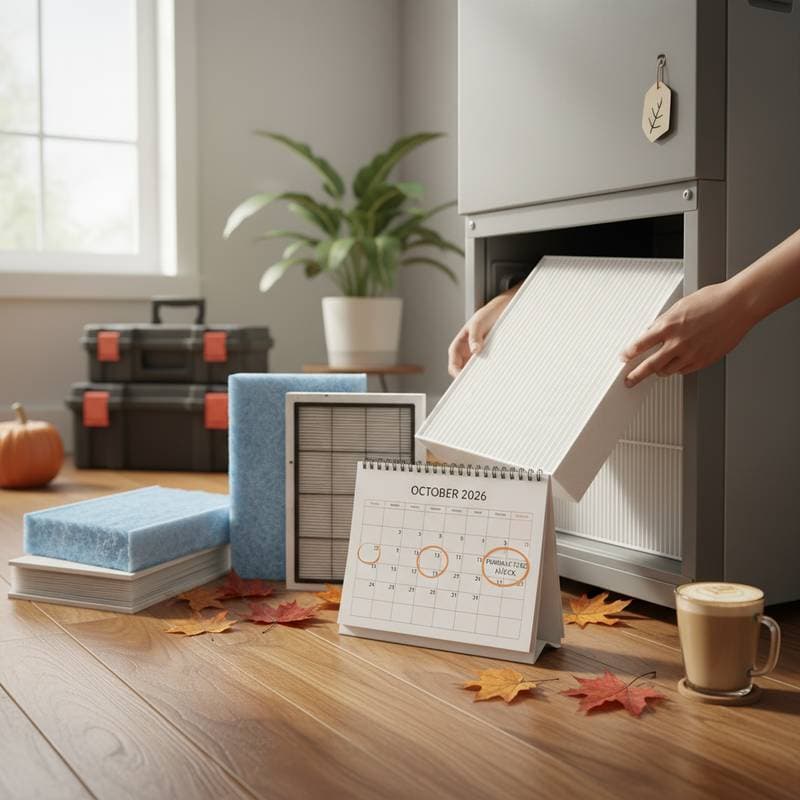
- Late Fall Planning: Schedule the subsequent interval using calendar notifications or by marking the filter slot with the target date.
Modern thermostats equipped with filter-life sensors provide automated reminders based on runtime and airflow metrics. Integrate this technology into your routine for proactive alerts and seamless compliance.
Handling Replacements: Self-Guided or Expert Assistance
Most filter swaps require minimal tools and effort, empowering homeowners to manage independently. However, pairing this task with a technician's evaluation maximizes system health. Fall service calls often include coil cleaning, duct inspections, and efficiency assessments, ideal for discussing filter optimizations.
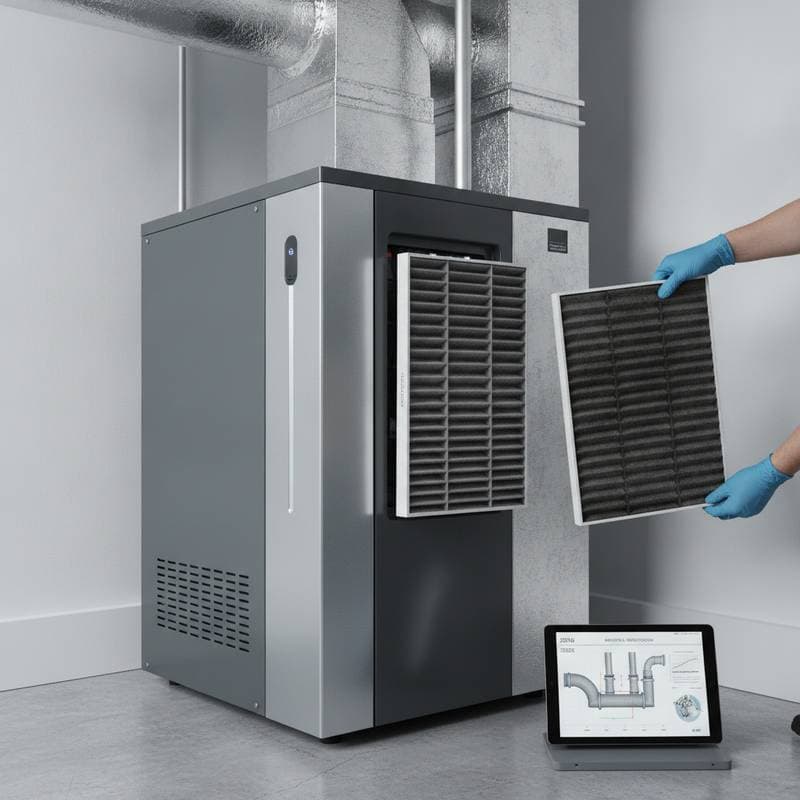
For do-it-yourself efforts, power down the HVAC unit at the thermostat and breaker. Locate the filter slot, typically near the return air grille, and withdraw the old unit carefully. Orient the replacement so the directional arrow aligns with airflow toward the furnace, securing it firmly to eliminate bypass gaps.
Seek professional intervention for non-standard sizes or symptoms like inconsistent temperatures. Experts employ tools to measure pressure differentials, verifying that the chosen filter supports optimal operation without strain.
Realizing Savings on Costs and Energy
Dirty filters compel the system to consume more power, elevating utility expenses. Research indicates that well-maintained filters lower energy demands by as much as 15 percent during heating periods. At a cost of mere dollars per unit, this practice yields substantial returns compared to emergency service fees.
Protecting System Longevity and Home Comfort
Consistent filter attention safeguards equipment against premature wear while enhancing daily living conditions. Regular fall interventions curb debris accumulation that threatens furnace components. Integrate this step into broader seasonal preparations, such as sealing drafts and clearing outdoor drains, to fortify your home against winter rigors.
Stock spares in advance and select filters aligned with specific air quality priorities, ensuring sustained efficiency and well-being year-round.