Greywater Systems: Costs, Savings, and the Path to Payback
Households consume thousands of gallons of water monthly, with a significant portion flowing unused from showers, sinks, and washing machines. This water, classified as greywater, often requires only minimal treatment for reuse in irrigation or toilet flushing. Homeowners considering greywater recycling systems must weigh initial expenses against ongoing benefits to determine if the investment aligns with their needs.
Understanding Greywater System Functions
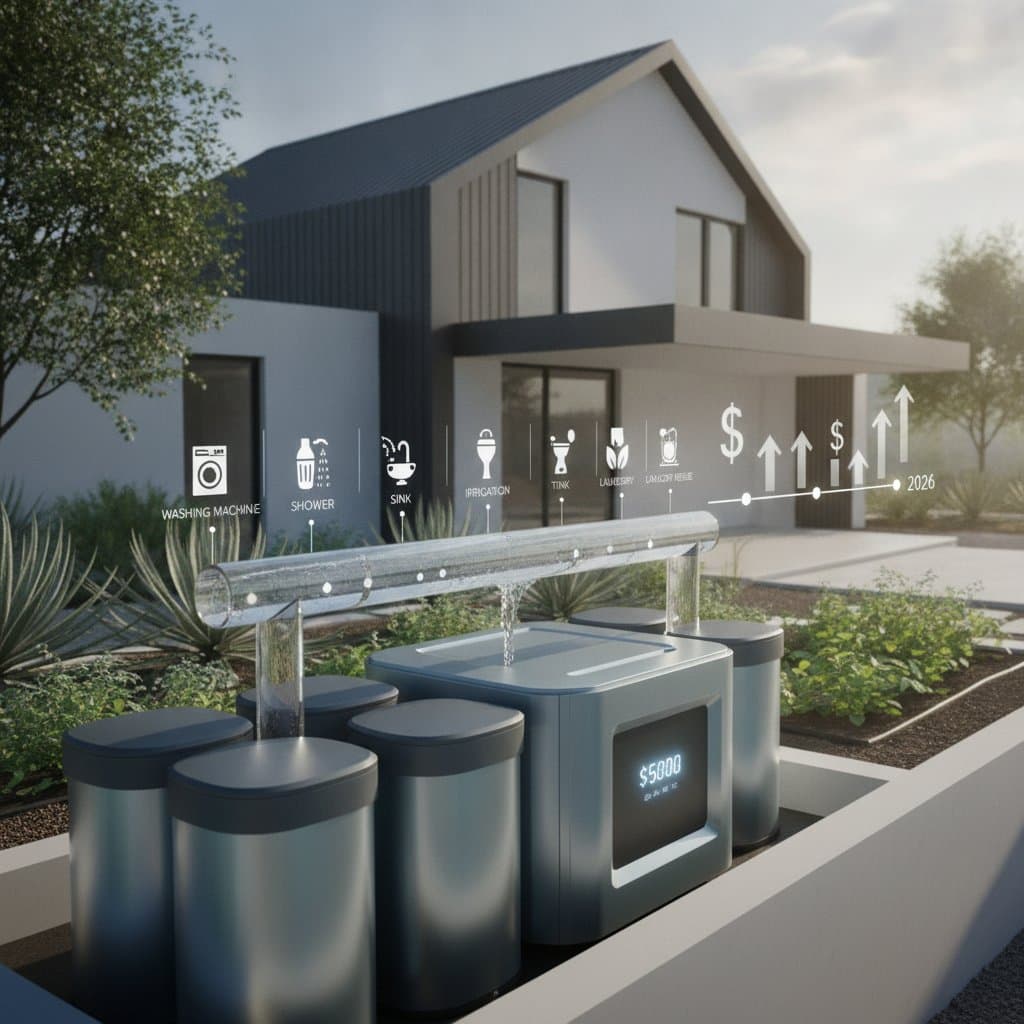
Greywater systems collect water from sources like bathroom sinks, bathtubs, and laundry appliances, excluding heavily contaminated blackwater from toilets. The process involves separating this water through dedicated piping, then passing it through filters to remove particles such as soap and debris. Treated greywater then travels to storage tanks or directly to distribution points for safe, non-potable applications.
These systems vary in scale. Simple units handle output from one fixture, while comprehensive installations manage multiple sources across the home. Both types promote substantial reductions in fresh water demand over time.
Breaking Down Installation Expenses
Installation costs for greywater systems typically range from $2,000 to $7,000, influenced by the system's complexity, home layout, and local requirements. Factors such as existing plumbing and site access play key roles in final pricing. Professional assessments help identify opportunities to minimize expenses without compromising performance.
Consider these common configurations:
| System Type | Primary Application | Cost Range | DIY Potential |
|---|---|---|---|
| Laundry-to-landscape | Redirects washing machine water to garden irrigation | $400 to $1,500 | High |
| Bathroom-focused | Handles shower and sink drainage | $1,500 to $4,000 | Moderate |
| Full-home integration | Processes water from all eligible fixtures | $4,000 to $7,000 | Low |
Additional fees for design, permits, and labor often add $500 to $1,000. Homes with accessible crawl spaces or pre-existing separate drains benefit from lower modification costs.
Quantifying Annual Water Savings
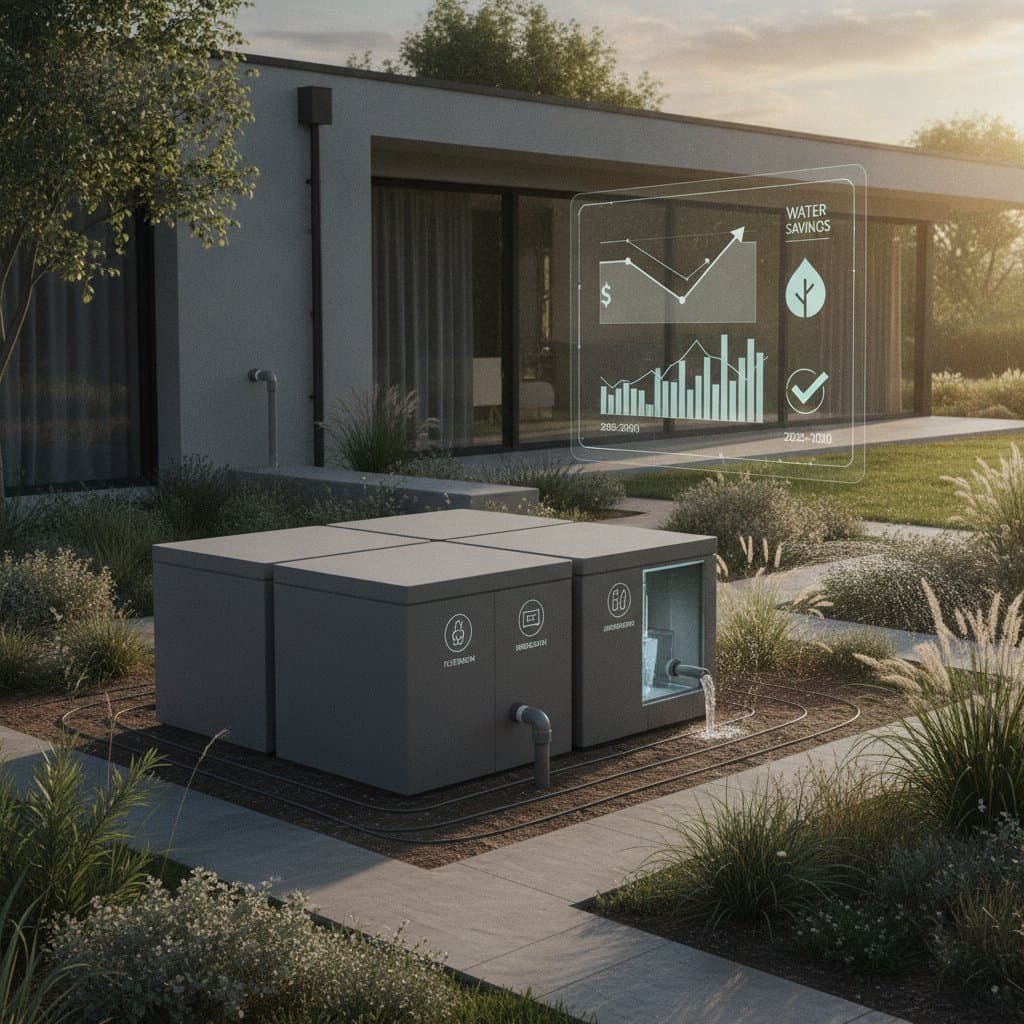
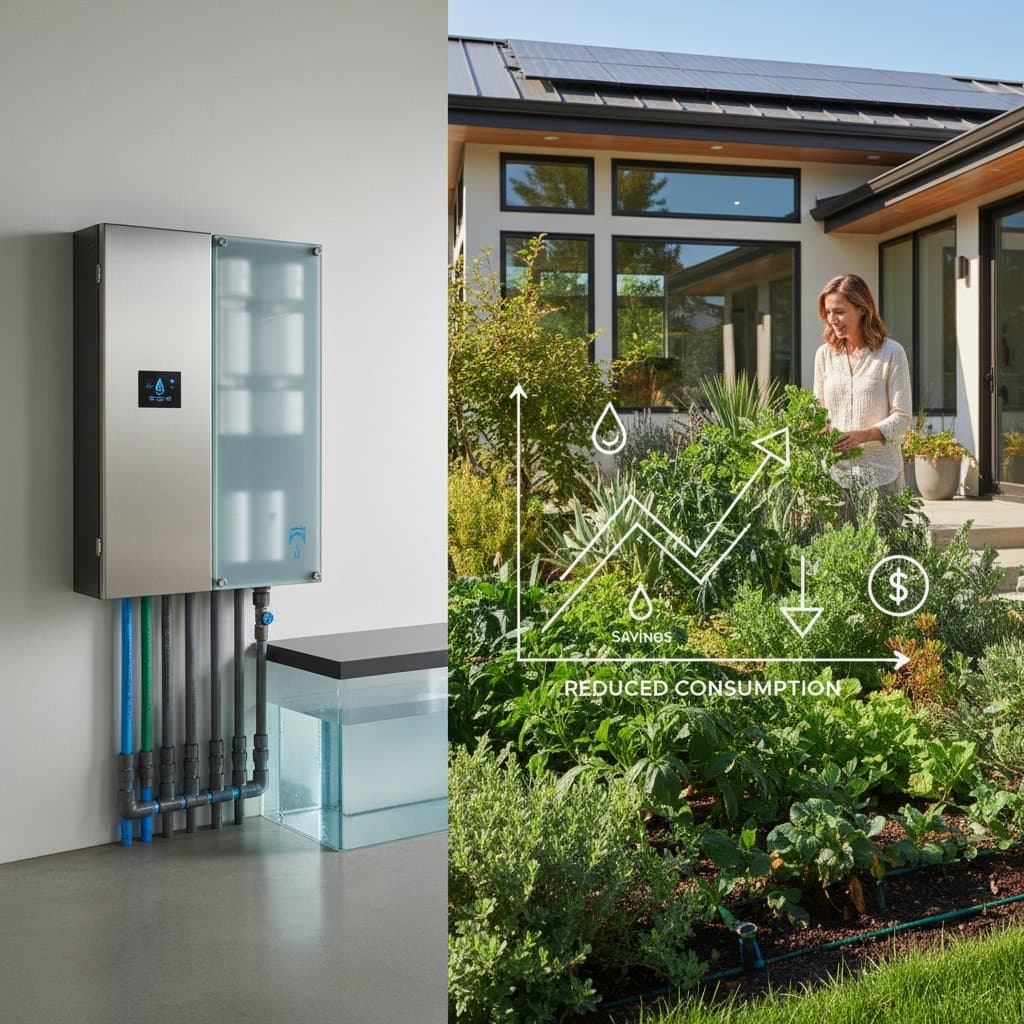
By repurposing greywater, households can decrease outdoor irrigation needs by 25 to 40 percent and overall consumption by 15 to 30 percent. In regions with elevated water rates, this translates to yearly savings of $300 to $700. Over the system's expected 10- to 15-year lifespan, cumulative benefits may reach $3,000 to $10,000.
Savings extend beyond direct billing. Reduced volume eases pressure on septic systems and may lower sewage charges. For metered services, avoiding higher usage tiers prevents rate escalations during peak seasons.
Calculating Return on Investment
ROI hinges on local water pricing, household size, and daily habits. Begin by reviewing your utility bill to determine the cost per gallon and total annual expenditure. Apply a conservative 25 percent savings estimate to project reductions.
For instance, a family spending $1,200 yearly on water might save $360 with a 30 percent cut. A $3,600 system would then recoup costs in about 10 years. Homes with large yards or multiple residents often achieve faster payback through greater volume redirection.
Avoiding Pitfalls That Erode Savings
Poor planning can diminish expected returns. First, verify compliance with local regulations, as some areas mandate permits or prohibit certain reuse methods. Selecting an appropriately sized system prevents unnecessary expenditure on excess capacity.
Regular upkeep is essential; neglected filters lead to blockages and odors within months. Opt for biodegradable detergents to protect both plants and equipment. Direct greywater only to non-edible landscapes or use subsurface delivery to maintain safety.
Engage a plumber experienced in greywater installations to navigate codes and optimize design for maximum efficiency.
Deciding Between DIY and Professional Installation
Basic laundry-to-landscape setups suit skilled homeowners. Gather materials including 1- to 1.5-inch PVC pipes, a diverter valve, secure fittings, a simple filter, and tools for trenching irrigation paths. Follow manufacturer guidelines to ensure proper routing and avoid leaks.
Complex whole-home systems demand professional intervention due to pumps, tanks, and intricate connections. Experts guarantee adherence to codes, preventing risks like backflow into potable supplies. While DIY saves upfront, professionals provide warranties and long-term reliability.
Designing for Ease of Use and Upkeep
Accessibility features enhance usability for all residents. Install wall-mounted valves, clear labeling, and reachable filter access points to accommodate varying mobility levels. Routine tasks include filter cleaning every three to six months and annual line inspections.
Advanced models with automatic flushing mechanisms increase initial costs but streamline maintenance. Budget for these if time constraints or physical limitations factor into your routine.
Broader Advantages of Greywater Adoption
Beyond financial gains, greywater systems build water security during shortages or bans. They lessen demands on public infrastructure and private septics, contributing to community resource management. Eco-conscious buyers view these installations as value-adds, potentially elevating resale prices.
Energy use drops as less water requires treatment and transport. Pairing greywater with low-flow fixtures amplifies conservation efforts across the property.
Steps to Implement Your System
Evaluate your home's fixtures to pinpoint greywater sources and match them to usage needs, such as garden watering or toilet replenishment. Consult local experts for a site-specific plan that balances cost and output.
Strategic implementation ensures the system integrates seamlessly, delivering sustained savings, environmental support, and enhanced home resilience.