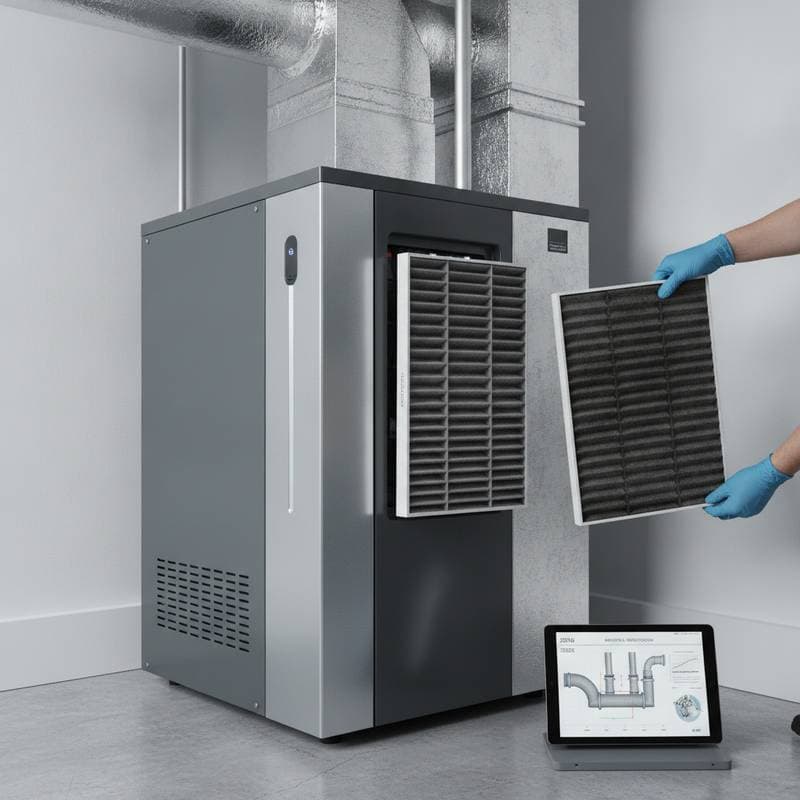
Prevent Costly AC Failures: Essential Summer Tune-Up Guide
Intense summer heat places significant demands on air conditioning systems. Failures during the initial heatwave often result from neglected maintenance or overlooked minor issues. Proactive preparation prevents emergency repairs and ensures comfort. This guide details tune-up procedures, key inspections, and indicators for professional assistance to maintain reliable cooling throughout the season.
Importance of Pre-Summer AC Tune-Ups
Air conditioners experience approximately 5 percent efficiency loss annually without regular maintenance. Factors such as dirty filters, low refrigerant levels, or obstructed coils force the system to operate longer for equivalent output. This added strain frequently leads to compressor failure, the costliest repair for residential units. A timely tune-up averts such breakdowns and reduces energy expenses by up to 15 percent.
Preparation extends beyond mere comfort. It safeguards a major home investment against premature wear.
Initial Inspection Priorities
For a time-constrained review, focus on these fundamental checks:
- Replace or clean the air filter every 30 to 60 days. A restricted filter diminishes airflow by as much as 25 percent.
- Remove debris from the outdoor condenser unit. Maintain at least 24 inches of clearance on all sides to facilitate ventilation.
- Verify thermostat accuracy. Confirm it registers temperatures correctly and adjusts promptly.
These actions resolve numerous performance concerns. Comprehensive tune-ups, however, examine electrical, mechanical, and drainage elements for thorough safeguarding.
Detailed Summer AC Tune-Up Procedures
Inspect and Clean Condenser Coils
Condenser coils dissipate heat from the interior space, yet accumulations of dirt or pollen hinder this process. Disconnect power at the unit's switch, detach the top grille, and apply a soft brush or specialized coil cleaner. Rinse carefully with a garden hose directed from inside outward. Straighten bent fins using a fin comb if more than 10 percent appear damaged.
Ensure adequate clearance by trimming shrubs at least 2 feet from all sides and 5 feet above the unit.
Examine Refrigerant Lines and Insulation
Insulation on refrigerant lines must cover the path from compressor to evaporator coil completely. Damaged or absent insulation impairs cooling performance. Install replacement sleeves of closed-cell foam, 3/4 inch thick and suitable for exterior exposure. Professional intervention is necessary if oily spots or frost appear, indicating potential leaks.
Clear the Condensate Drain Line
Obstructions in the condensate line lead to water backups and elevated indoor humidity. Detach the line and flush it using a 50/50 solution of water and white vinegar. For extended lines, employ a wet-dry vacuum from the exterior end. Verify the trap's cleanliness and free water flow prior to reconnection.
Secure Electrical Connections
Ongoing vibrations loosen electrical terminals gradually. Inspect accessible connections within the condenser panel using a screwdriver. Identify any burned or corroded wires. Refrain from self-repairs on melted or deteriorated components; engage a certified HVAC specialist for safe replacements.
Lubricate Fan Motor and Bearings
Units with oil ports on the fan motor require two to three drops of non-detergent oil per port. Sealed motors in newer models need no lubrication, but confirm fan blades rotate smoothly without imbalance. Correct bent blades to eliminate vibration and motor stress.
Maintain the Blower Assembly
Access the indoor air handler by removing its cover and examine the blower wheel. Dust accumulation reduces airflow by up to 20 percent. Clean blades with a soft brush and vacuum. Ensure even wheel rotation and belt tension of about 1/2 inch at the midpoint.
Address Duct Leaks
Ductwork leaks squander 20 to 30 percent of cooling energy. Test joints and seams with a smoke pencil or incense while the fan operates. Seal any irregularities with mastic sealant or HVAC-specific foil tape. Standard cloth tape degrades rapidly and proves ineffective.
Pitfalls Leading to AC Malfunctions
Homeowners often commit oversights that accelerate equipment deterioration. Sidestep these errors to enhance reliability and reduce expenses.
- Neglecting filter replacements or selecting incorrect sizes. Adhere to manufacturer specifications for dimensions and MERV ratings, generally 8 to 11 for homes.
- Enclosing the outdoor unit during storms. Such coverings retain moisture and promote rust.
- Dismissing atypical sounds. Grinding or clicking signals capacitor issues or loose components.
- Lowering the thermostat below 70 degrees. This risks coil freezing and compressor overload.
- Applying household cleaners to coils. Residues from these products diminish heat exchange.
Cease operation upon detecting these problems and diagnose promptly to avert escalation.
Indicators for Professional Service
Certain tasks suit DIY efforts, while others demand expert handling. Summon a licensed technician for:
- Frost or ice formation on refrigerant lines
- Diminished airflow post filter and duct cleaning
- Odd odors resembling burning or mold
- Circuit breaker trips upon startup
- Persistent high indoor humidity during operation
Professional tune-ups range from 100 to 250 dollars based on system scale and region. Services encompass refrigerant evaluation, electrical measurements, capacitor tests, and thermostat calibration. For units exceeding ten years, experts assess longevity and suggest efficiency enhancements.
Safety and Accessibility Measures
Mount thermostats 48 to 52 inches above the floor for individuals with mobility limitations. Opt for smart models with voice activation or prominent displays for visual impairments. Position the outdoor condenser on a level pad elevated 3 inches to minimize tripping risks and drainage issues.
Deactivate power at the disconnect prior to panel access. Employ insulated tools, don gloves, and restrict access to the area for children and pets.
Essential Tools for DIY Maintenance
Proper equipment streamlines and secures the maintenance process.
- Phillips and flathead screwdriver set
- Fin comb and soft-bristle coil brush
- Wet-dry vacuum with crevice tool
- Garden hose equipped with spray attachment
- Non-detergent motor oil
- Flashlight and protective gloves
- Digital thermometer for temperature differential checks
Store these items in a dedicated, labeled container for seasonal use.
Strategies to Prolong System Longevity and Performance
Consistent upkeep extends air conditioner durability by multiple years. Integrate these enhancements with tune-ups for optimal results:
- Add a programmable thermostat to minimize runtime during absences.
- Install a breathable awning to shield the outdoor unit from direct sun.
- Utilize ceiling fans for air distribution, permitting higher settings without comfort loss.
- Update deteriorated weatherstripping on doors and windows to lessen cooling demands.
Schedule Your Maintenance Routine Now
Incorporate these practices into a seasonal calendar to sustain peak performance. Regular attention yields lower bills, fewer disruptions, and extended equipment life. Begin with a full inspection today to prepare for upcoming heat.