Fall HVAC Filters: Essential Timing and Types for Efficiency
Autumn brings a refreshing chill to the air, signaling the transition to heating season. This change prompts homeowners to inspect their HVAC systems, particularly the air filter. Overlooking this maintenance task leads to higher utility costs, reduced air quality, and potential equipment strain. Regular filter replacement ensures optimal performance, healthier indoor environments, and long-term savings on heating bills.
The Importance of Timely Filter Replacement
As temperatures decline, your furnace activates more frequently to maintain warmth. A clogged filter impedes airflow, compelling the system to labor excessively and consume additional energy. This inefficiency not only elevates bills but also contributes to uneven temperatures and accelerated component degradation.
Experts recommend replacing filters every 60 to 90 days under normal conditions. However, fall marks an ideal starting point for the heating season. Even filters appearing clean may harbor invisible contaminants that diminish effectiveness over time. Proactive replacement averts issues during peak usage, preserving system reliability and indoor comfort.
Consider the energy impact: A clean filter can improve efficiency by up to 15 percent, translating to noticeable savings on monthly statements. Homeowners in regions with high pollen or dust levels benefit even more from seasonal resets.
Selecting the Appropriate Filter Type
Filters differ in construction, depth, and particle-capturing ability, influencing their suitability for various homes. Factors such as system compatibility, family health concerns, and environmental conditions guide the choice.
| Filter Type | MERV Rating | Lifespan | Best For |
|---|---|---|---|
| Fiberglass | 1 to 4 | 30 days | Basic particle capture in low-dust areas |
| Pleated | 5 to 8 | 60 to 90 days | Everyday use with moderate allergens or pets |
| Electrostatic | 8 to 10 | 90 days | Enhanced allergen reduction in family homes |
| HEPA | 11 to 13 | 90 to 120 days | Severe allergies or polluted urban settings |
The MERV rating indicates a filter's capacity to trap particles ranging from large dust to fine smoke. For most residential furnaces, ratings between 6 and 8 balance filtration and airflow without overburdening the blower. Exceeding your system's capacity with higher MERV filters risks reduced efficiency and increased strain. Consult the equipment manual or a professional to verify compatibility before selecting upgrades.
For households with asthma sufferers, prioritize filters that target particles under 3 microns, such as those with electrostatic properties. In dusty rural areas, opt for durable pleated options to handle heavier loads without frequent changes.
Step-by-Step Guide to Replacing Your HVAC Filter
Replacing a filter requires minimal tools and time, empowering homeowners to handle it independently.
- Power down the system by adjusting the thermostat to the off position, halting airflow and ensuring safety.
- Identify the filter location, typically within the return air grille, furnace compartment, or air handler unit.
- Measure the dimensions precisely using a tape measure; common sizes include 16x25x1 inches, 20x25x1 inches, or 20x30x1 inches, though custom fits exist for older models.
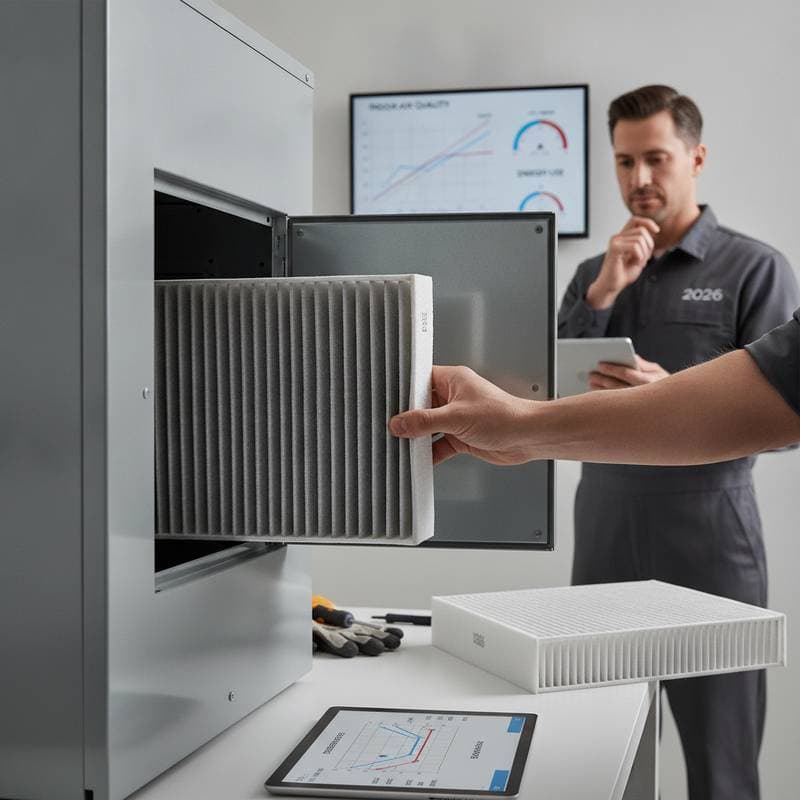
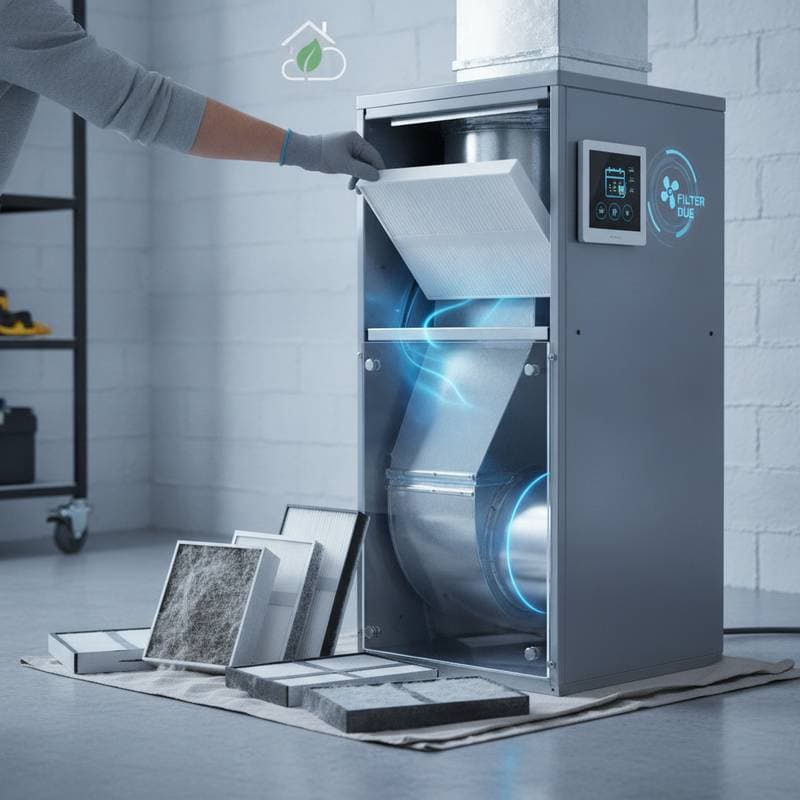
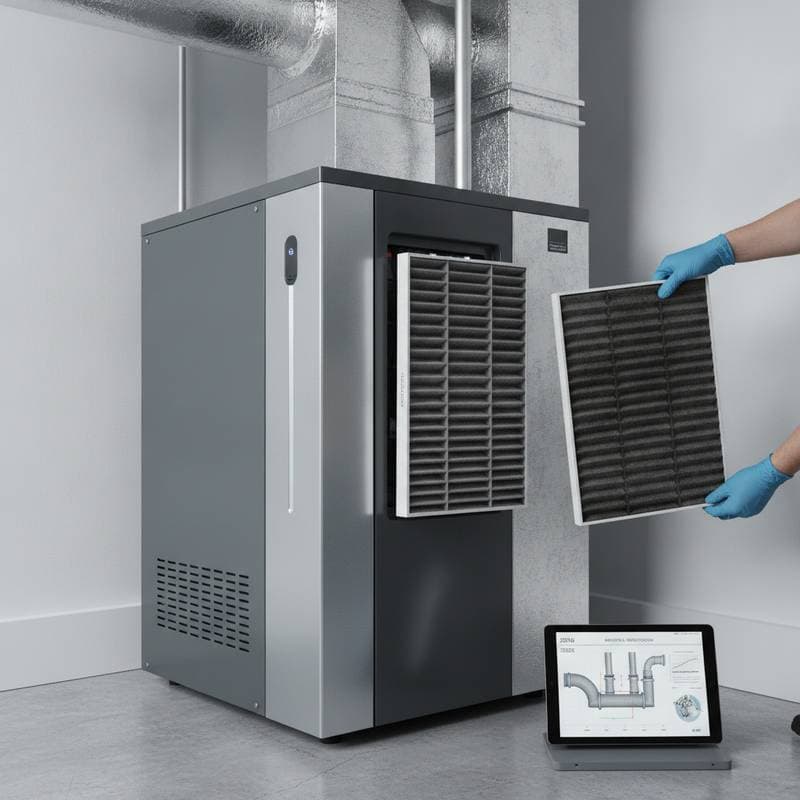
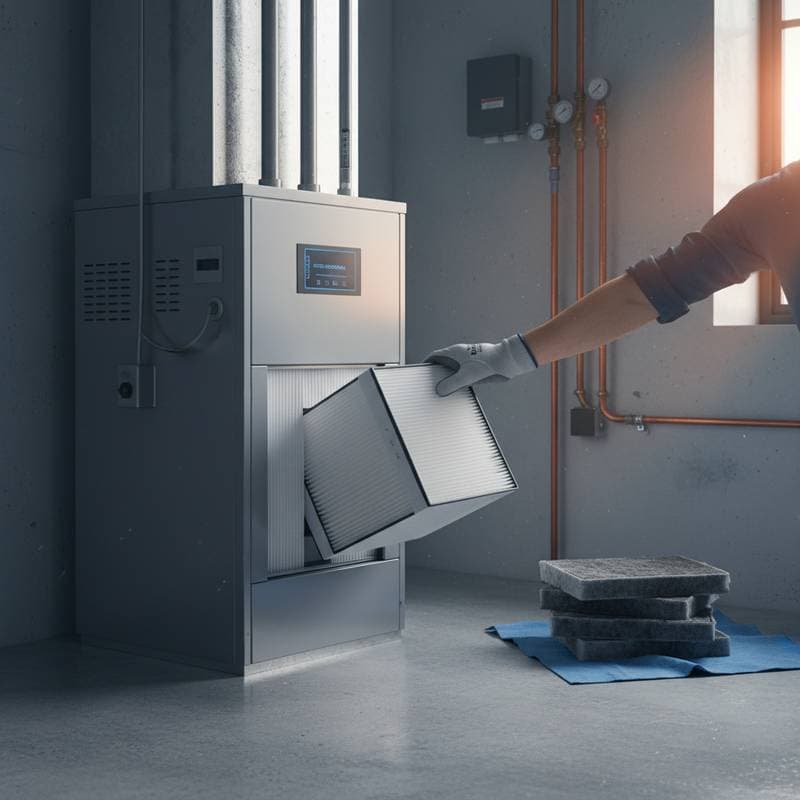
- Remove the old filter by sliding it out and dispose of it properly, noting any visible dirt as an indicator of replacement frequency.
- Install the new filter aligning the directional arrow toward the incoming air flow, usually pointing toward the furnace.
- Secure and document the installation, marking the date on the frame or in a maintenance log for future reference.
If your setup involves a complex duct system, use a flashlight to inspect for proper seating. Test the system briefly after replacement to confirm smooth operation.
Pitfalls to Steer Clear Of During Replacement
Incorrect installation undermines the filter's benefits and may void warranties.
- Mismatched sizing: Ill-fitting filters create bypass gaps, allowing contaminants to circulate freely.
- Overlooking depth variations: Standard 1-inch filters suit most units, but thicker 4- or 5-inch models demand specific housings to avoid compression.
- Delaying until symptoms appear: Proactive checks prevent stuffy air or unusual noises from signaling a overdue change.
- Exceeding system specifications: Dense high-MERV filters in incompatible blowers lead to overheating and premature failure.
Additionally, avoid reusing disposable filters or opting for unbranded products that lack certified efficiency ratings. Investing in quality ensures consistent performance.
Enhancing Accessibility and Indoor Air Quality
For individuals with mobility challenges or respiratory conditions, accessibility matters as much as efficiency. Install filter compartments with side or front access panels to eliminate the need for ladders or awkward reaches. These modifications simplify routine maintenance while reducing injury risks.
To optimize air quality, pair filter upgrades with whole-home strategies like sealing ducts and using exhaust fans in high-moisture areas. In fall, when windows close and indoor pollutants concentrate, a MERV 10 pleated filter captures pollen, pet dander, and mold spores effectively. Monitor air quality with simple indicators, such as reduced dusting or fewer allergy flare-ups, to gauge improvements.
Establishing a Routine for Lasting Benefits
Initiate your filter maintenance by scheduling changes at the onset of heating season, ideally mid-October. Integrate reminders into digital calendars or pair the task with seasonal chores like leaf raking. Consistent habits yield compounding advantages: lower energy demands, extended equipment life, and a healthier living space.
Should uncertainties arise about your system's needs, engage a certified technician for a comprehensive evaluation. They can assess airflow dynamics and recommend tailored solutions. Ultimately, this straightforward practice transforms fall preparation into a foundation for efficient, comfortable winters ahead.