Fall HVAC Filter Upgrades for Cleaner Air
Autumn marks the transition from cooling to heating in most homes. Homeowners often overlook a critical maintenance task during this shift: replacing the HVAC filter. A clogged or outdated filter restricts airflow, increases energy consumption, and allows dust and allergens to circulate freely. Upgrading the filter now promotes better air quality, decreases utility expenses, and safeguards the system against premature wear.
Why Fall Is the Ideal Time to Replace HVAC Filters
Lower outdoor humidity in fall encourages more indoor time with windows closed. This environment increases the accumulation of dust, pollen, and pet dander in the air. The Environmental Protection Agency notes that indoor air pollution can exceed outdoor levels by several times. A fresh HVAC filter captures these particles effectively before they travel through ducts and vents.
Filter replacement in fall also readies the heating system for winter demands. HVAC technicians recommend seasonal tune-ups to minimize failures during cold snaps. With optimal airflow restored, furnaces and heat pumps operate more efficiently, delivering even warmth throughout the home.
Understanding Filter Ratings and Materials
The Minimum Efficiency Reporting Value, or MERV rating, quantifies filter effectiveness on a scale from 1 to 20. Higher ratings indicate the ability to capture finer particles.
- MERV 1–4: These fiberglass filters trap large debris such as lint and coarse dust. They suit basic systems but provide limited defense against allergens.
- MERV 5–8: Pleated designs capture pollen, pet dander, and mold spores. Such filters work well in standard residential setups.
- MERV 9–12: Advanced options remove fine dust and smoke particles. They benefit homes with allergy sufferers or respiratory concerns.
- MERV 13–16: These hospital-level filters achieve superior air purification. Verify system compatibility to avoid airflow restrictions.
Filter materials influence durability and capture rates. Fiberglass versions cost less but require frequent replacement. Pleated polyester or cotton alternatives endure longer and hold more contaminants. Electrostatic filters employ charged fibers to draw in particles, offering strong filtration with minimal resistance.
Cost and Replacement Frequency
Prices for filters depend on dimensions, construction, and efficiency level. Basic fiberglass units start at a few dollars apiece. High-efficiency pleated filters range up to several dozen dollars each. Custom or specialized options command higher prices yet provide extended service life.
Replace or clean filters every one to three months for optimal performance. Households with pets, proximity to traffic, or allergy issues benefit from monthly intervals. Quality pleated filters often last two to three months in moderate conditions. Reusable models allow washing and multiple uses, provided owners clean them diligently.
Signs Your Filter Needs Immediate Replacement
Adhere to a schedule, yet remain alert for urgent indicators. Prompt action prevents broader issues.
- Visible dust on vents or furniture: This suggests the filter fails to contain particles.
- Unusual HVAC noise: Clogs strain the blower, causing whistles or rattles.
- Uneven room temperatures: Restricted flow disrupts heating or cooling balance.
- Higher energy bills: The system labors longer to compensate for poor airflow.
- Increased allergy symptoms: Worsening sneezing or irritation points to allergen recirculation.
Step-by-Step Guide to Replacing Your HVAC Filter
Follow these steps for a safe, effective swap.
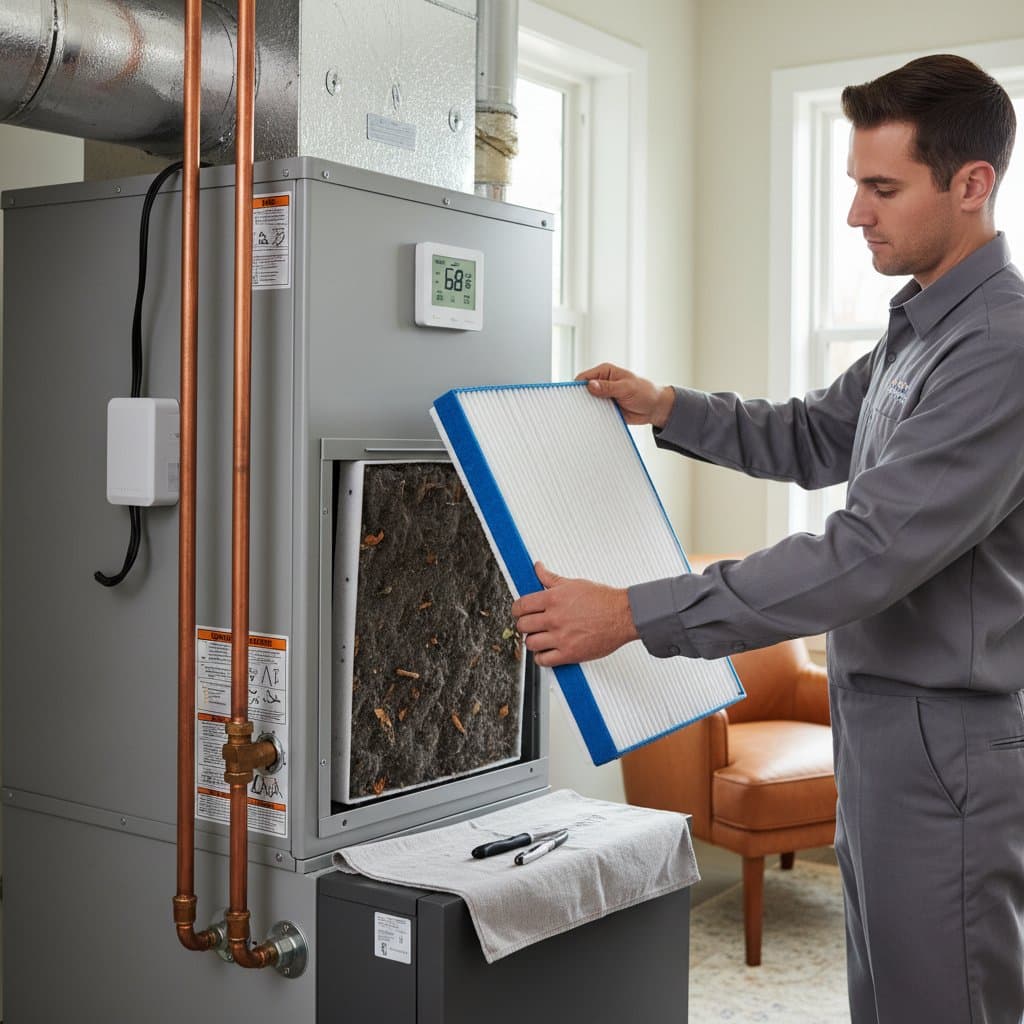
Step 1: Shut off the HVAC system to halt dust dispersal.
Step 2: Identify the filter slot, typically near the return vent or within the air handler.
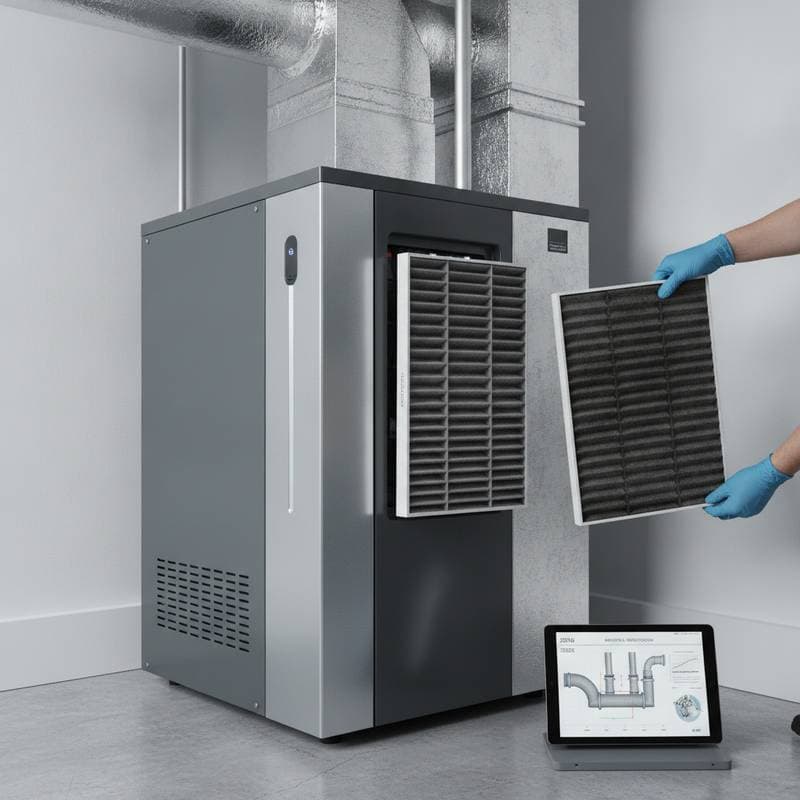
Step 3: Extract the old filter gently to contain debris.
Step 4: Align the airflow arrow on the new filter toward the blower or handler.
Step 5: Insert the replacement securely, eliminating any gaps.
Step 6: Note the installation date on the filter or in a maintenance record.
The process requires under ten minutes and no special tools. Homeowners notice fresher air and smoother operation shortly after completion.
When to Call a Professional
Filter changes suit most DIY efforts, but certain scenarios warrant expert input. Systems with HEPA or whole-home purifiers demand checks for airflow and pressure balance. Technicians inspect ducts for leaks or accumulations that undermine filtration.
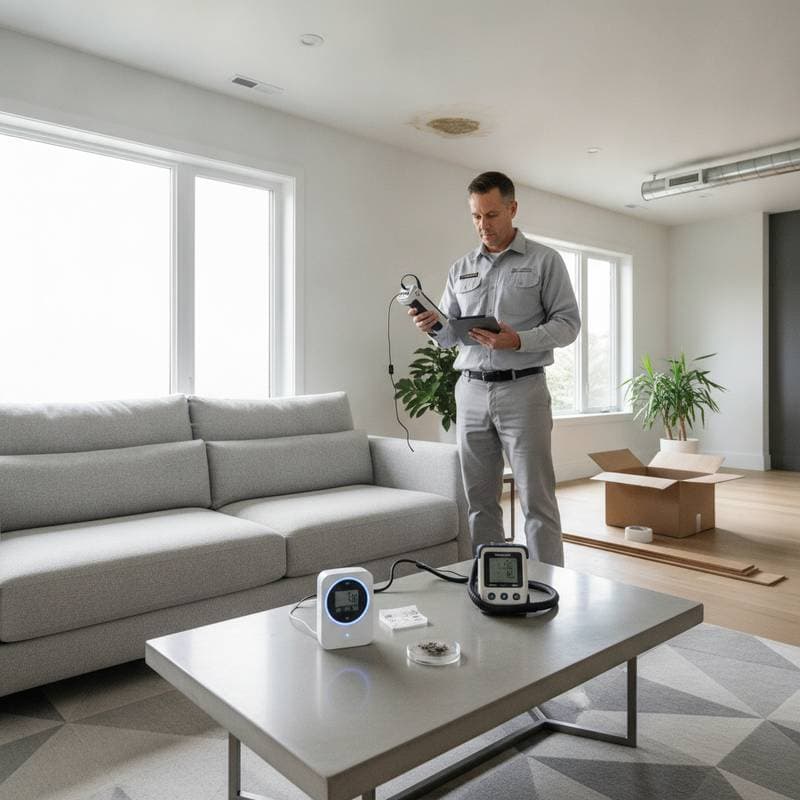
Persistent odors or dampness around vents signal potential mold or ventilation faults. A filter swap alone cannot address these. Seasonal service plans from HVAC providers often encompass filter installation, coil maintenance, and performance evaluations.
Improving Indoor Air Quality Beyond Filters
A new filter forms the foundation of clean air strategies. Additional measures amplify results.
- Seal air leaks: Close gaps in windows, doors, and ducts to block external pollutants.
- Control humidity: Employ humidifiers or dehumidifiers to stabilize moisture and curb mold.
- Vacuum and dust regularly: This removes settled particles before they become airborne.
- Add air purifiers: HEPA-equipped portables enhance filtration in busy zones.
- Ventilate wisely: Activate exhaust fans in kitchens and baths to expel moisture.
How Filter Choice Affects System Longevity
Proper filtration shields components from dust buildup on coils, blowers, and ducts. Debris accumulation erodes efficiency over time. Research indicates that consistent maintenance prolongs HVAC life by years and cuts repairs by up to one-third.
Inadequate filters permit particles to encase the evaporator coil, impairing heat transfer and risking freezes. Such problems lead to expensive interventions and elevated energy demands. Selecting superior filters yields long-term savings.
Preventing Future Issues
Integrate filter care into routine home upkeep. Schedule reminders via calendar or app. Stock spares in a dry, flat storage spot. Confirm sizing accuracy to prevent air leaks.
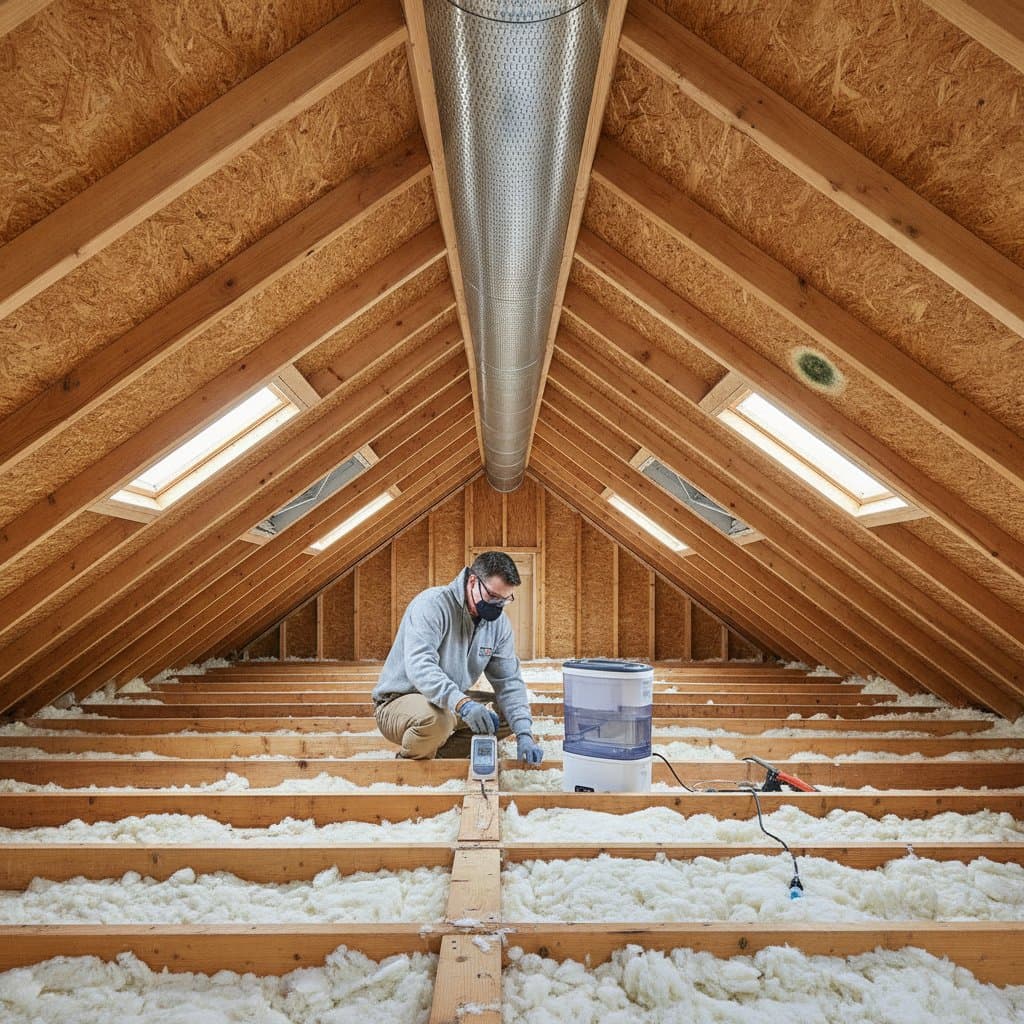
During renovations like duct sealing or added insulation, consult a technician about filter needs. Enhanced system dynamics might support higher MERV levels without drawbacks.
Sustaining Home Comfort Through the Seasons
Routine HVAC filter replacements secure air purity, system reliability, and cost efficiency. Autumn provides the ideal starting point for this practice amid shifting weather.
Commit to this essential maintenance to foster a healthier living environment year-round.