Prepare Your HVAC System for Fall: The Essential Filter Replacement
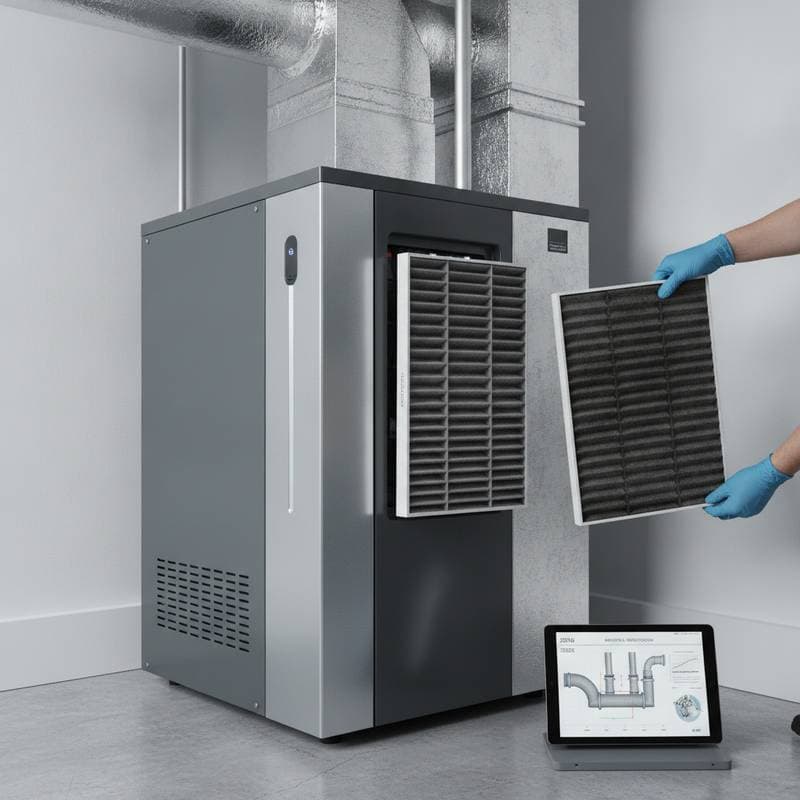
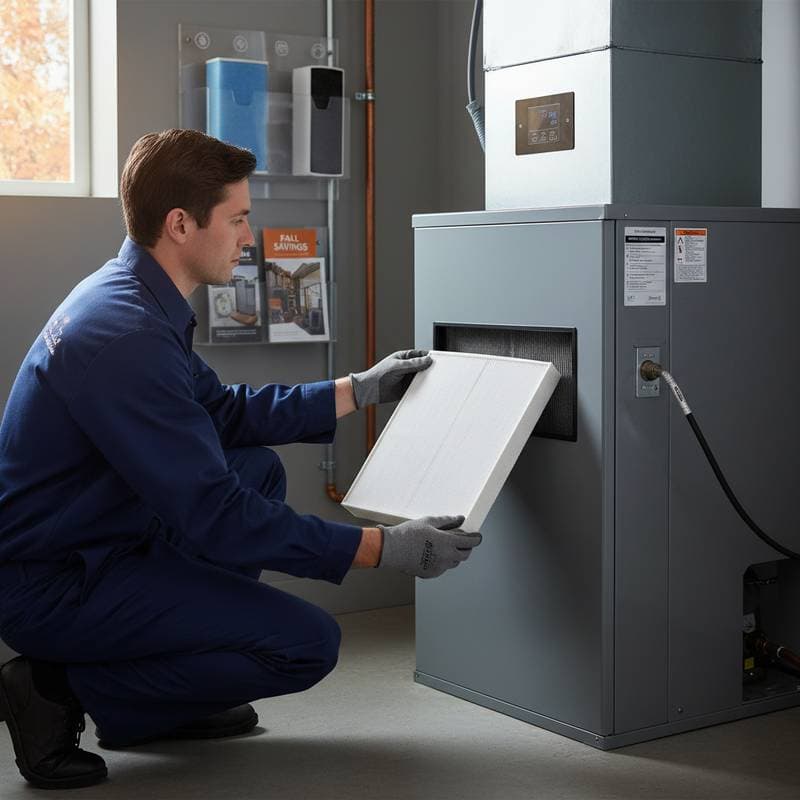
As temperatures drop, HVAC systems transition from cooling to heating. This shift presents an ideal opportunity to replace the air filter. A fresh filter optimizes airflow, eases system workload, and promotes healthier indoor air. Homeowners often neglect this routine, yet it influences comfort, energy use, and equipment longevity.
Basics of HVAC Filter Costs
HVAC filter prices vary by size, material, and brand. Standard disposable filters typically range from ten to thirty dollars. Pleated or high-efficiency options may cost up to fifty dollars or higher. Reusable filters, suitable for washing and repeated use, start at seventy to one hundred dollars but offer long-term savings.
Prices differ by region. Areas with elevated energy needs or strict air quality rules often see higher costs. Urban locations reflect increased supply expenses, while rural settings provide lower rates with limited selections.
Seasonal trends affect pricing as well. Discounts appear during spring and fall service seasons, whereas demand-driven increases occur in peak usage periods. Broader economic factors, such as inflation and material costs, also play a role.
Pricing Models for HVAC Filters
Homeowners commonly buy filters one at a time, though subscriptions and bulk options gain popularity. Subscription plans deliver filters on schedule, often at a modest premium per unit, while ensuring timely replacements. Bulk buys reduce per-filter costs, particularly for homes with several systems.
Maintenance packages from professionals frequently bundle filter changes into annual plans. These range from two hundred to five hundred dollars, based on system scale and visit frequency. For commercial or multi-unit sites, per-unit contracts streamline management and cut overhead.
Filter Types and Associated Costs
Basic Filters
Fiberglass models serve as the budget choice. They cost little and remain widely available, yet offer basic filtration. These capture large dust but overlook allergens and fine particles.
Standard Filters
Pleated filters suit most homes, providing a cost-effective blend of performance. They trap smaller contaminants for better air purity. Costs fluctuate with MERV ratings, which indicate filtration capability.
Premium Filters
High-efficiency variants target allergies or delicate settings. They seize tiny particles like pollen, pet dander, and smoke. Though pricier by several multiples, they elevate air quality markedly.
Specialized Filters
Custom-sized or HEPA-level filters fit specific needs, such as respiratory issues or dusty conditions. Pricing hinges on maker and durability, often surpassing everyday residential options.
Factors Shaping Filter Replacement Expenses
Several elements dictate the total price of fall HVAC upkeep:
- System Dimensions and Design – Bigger units demand larger or extra filters.
- Efficiency Level – Elevated MERV values snag more impurities but may limit airflow, necessitating robust systems and quicker swaps.
- Household Activity and Surroundings – Pets, smoking, or dust-heavy spaces require more frequent changes.
- Installation Fees – Technician involvement adds labor or diagnostic charges.
- Manufacturer and Stock – Branded specialty items command higher prices for quality assurance.
Complementary Services and Fees
HVAC experts often suggest extras during tune-ups to pair with filter swaps.
- Duct Cleaning : Fees span three hundred to five hundred dollars, varying by property size and accumulation. This enhances circulation and aids the new filter.
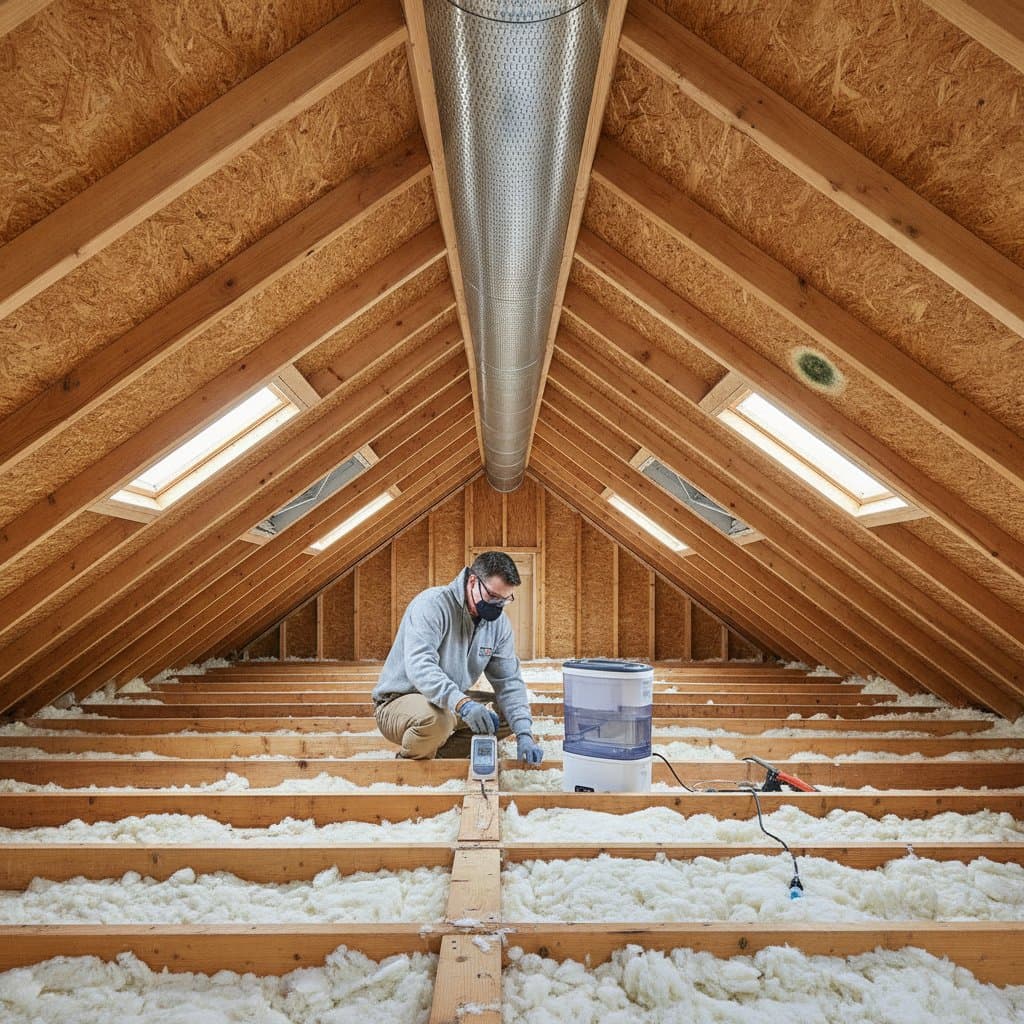
- Air Quality Assessments : Evaluations of pollutants or moisture run one hundred to two hundred dollars. Results guide filter selection.
- Sanitization Procedures : Coil cleanses or antimicrobial applications cost one hundred fifty to two hundred dollars.
- Rush or Urgent Calls : System breakdowns double standard labor rates.
Benefits of Fall Filter Replacement
A timely filter change clears summer residues before heating ramps up. This prevents clogs that hinder furnace function, potentially saving fifteen percent on energy bills per energy research. It also spares the blower and heat exchanger from excess stress, preserving costly parts.
Industry expert Rachel Turner of CleanAir Systems notes that consistent filter maintenance leads to fewer repairs. She explains that neglecting this step forces the system to push air through built-up dust, which can trigger short cycling and overheating.
Clean filters also sharpen indoor air quality. With windows sealed in winter, pollutants linger indoors. Effective filtration removes these, fostering a safer living space.
Optimize Your Filter Routine
Establish a routine for peak results. Check the filter monthly and swap every two to three months, adjusting for household factors. Monthly changes suit homes with pets or allergy risks.
Select filters matching your system's size and MERV needs per manufacturer guidelines. Mismatched units impair airflow and efficiency. If temperatures falter post-installation, consult a certified professional for checks.
For ease, explore delivery subscriptions. These ensure arrivals and send alerts, adapting to local weather for precise timing.
Secure Winter Comfort Through Smart Maintenance
Knowledge of filter varieties, cost structures, and support services empowers informed decisions. Seasonal filter updates sustain fresh air and dependable heating, safeguarding your home and well-being year-round.