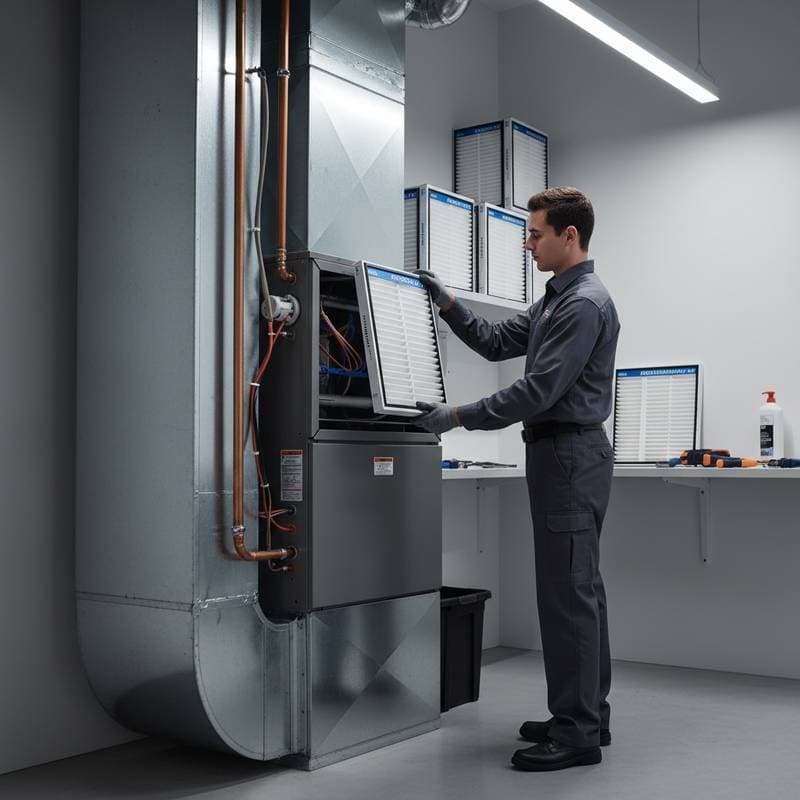
Selecting the Ideal HVAC Filter for Fall Comfort and Efficiency
As temperatures drop outdoors, homeowners prioritize indoor comfort. Selecting the appropriate HVAC filter stands as one of the most straightforward and impactful methods to sustain a healthy environment during cooler months. The right filter enables the heating system to operate efficiently, elevates air quality, and minimizes strain on equipment. Homeowners who handle filter replacements independently or engage professionals benefit from informed choices that enhance fall living.
Understanding HVAC Filter Costs
Costs associated with HVAC filters depend on type, dimensions, and filtration capacity. Basic options prove economical yet demand frequent swaps, whereas premium selections involve higher initial investment but endure longer while delivering superior air purification.
DIY Filter Replacement Costs
Performing filter replacements personally ranks among the least expensive upkeep activities. Standard fiberglass models generally range from 5 to 15 dollars per unit, pleated varieties from 15 to 40 dollars, and advanced high-efficiency options from 40 to 100 dollars, varying by manufacturer and specifications.
Time represents the primary investment in this process. The task typically requires under ten minutes, though account for periods dedicated to verifying filter dimensions, acquiring supplies, and establishing replacement alerts. For numerous homeowners, this method offers convenience and assurance.
Professional Filter Replacement Costs
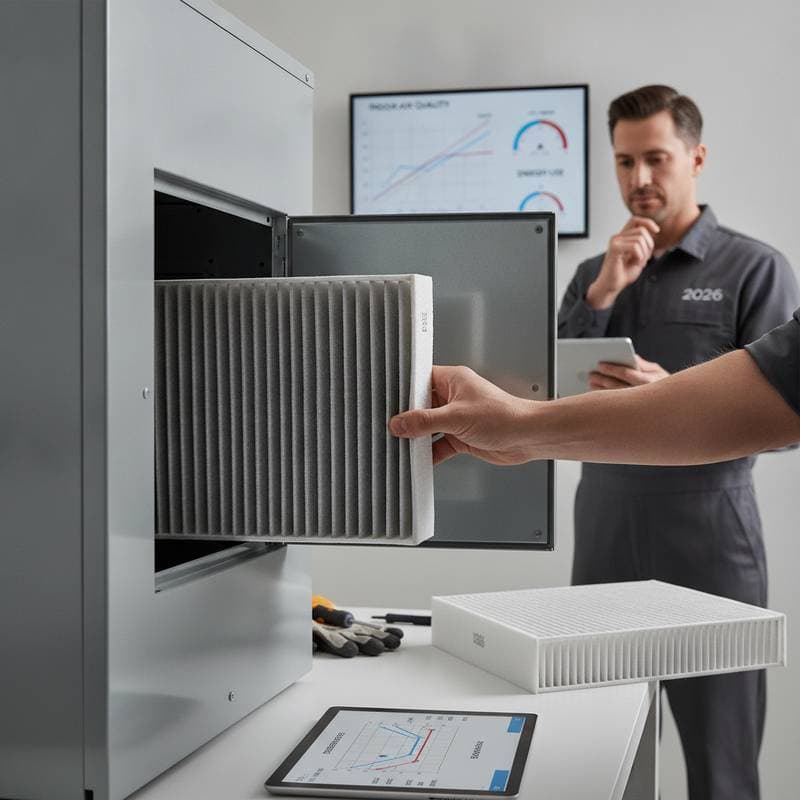
Homeowners opting for expert assistance often find filter changes incorporated into seasonal servicing. Such visits range from 100 to 300 dollars, influenced by regional rates and system intricacy. These appointments encompass comprehensive evaluations, cleansing, and performance assessments.
Technicians provide tailored filter suggestions based on household dynamics. In residences affected by allergies, pets, or dust accumulation, experts advocate for elevated filtration grades that seize minute particles and refine indoor atmospheres.
Factors Affecting Cost and Performance
Multiple elements shape the expense and efficacy of HVAC filters:
- Filter Material: Fiberglass versions offer affordability and disposability. Pleated designs endure extended periods and capture greater dust volumes. Electrostatic and HEPA variants deliver sophisticated purification, though mismatched selections may impede airflow.
- MERV Rating: This value measures particle capture efficiency, with residential options spanning MERV 5 to 13.
- System Compatibility: Elevated-efficiency filters risk overburdening aging units through diminished airflow, potentially elevating energy demands or causing harm.
- Replacement Frequency: Consistent swaps ensure steady air purity and operational reliability. Quarterly changes suit most households.
DIY vs Professional: Making the Right Choice
The decision between self-managed and expert-led filter care hinges on familiarity with the system, technical confidence, and scheduling availability.
Benefits of DIY Filter Replacement
- Low Cost: Direct purchases eliminate service fees.
- Flexibility: Adjustments occur on demand, ideal for environments with pets or allergens.
- Control: Homeowners oversee filter selection and quality.
Drawbacks of DIY
- Risk of Incorrect Sizing: Improper dimensions compromise performance and permit dust evasion.
- Limited Inspection: Focus remains on the filter, overlooking broader system elements.
- Airflow Issues: Overly dense filters may hinder circulation in standard units.
Benefits of Hiring a Professional
- Thorough Maintenance: Evaluations extend to ducts, coils, and vents for optimal function.
- Expert Recommendations: Guidance ensures suitable filter types and ratings.
- Time Savings: Seasonal scheduling relieves ongoing tracking responsibilities.
Drawbacks of Professional Service
- Higher Cost: Fees cover labor and diagnostics.
- Scheduling: Peak periods complicate appointment availability.
A hybrid strategy suits many: professional servicing annually or biannually, supplemented by interim self-replacements.
Your HVAC Filter Questions, Answered
How often should I replace my HVAC filter?
Replacement intervals span one to three months, adjusted for filter variety and home conditions. Residences with pets, tobacco use, or allergy concerns warrant monthly attention to sustain air purity.
What MERV rating should I choose?
Ratings from 8 to 11 strike an optimal balance between particle capture and airflow preservation in typical homes. Superior ratings trap tinier contaminants yet risk circulation reduction in incompatible systems.
Are reusable filters worth it?
Initial costs for washable models exceed disposables, but longevity spans years with routine cleaning. These options promote sustainability, though they capture fewer particles compared to pleated disposables.
Can a dirty filter increase my energy bill?
Affirmative. Obstructed filters limit airflow, compelling the system to labor intensely and draw additional power. Routine replacements preserve energy efficiency.
Do high-efficiency filters reduce airflow?
Certain advanced filters diminish circulation when paired with unsuitable systems. Consult manufacturer guidelines prior to upgrades.
Should I use a HEPA filter at home?
HEPA technology excels at eliminating ultrafine particles, yet demands dedicated HVAC configurations. For conventional setups, elevated-MERV pleated filters suffice effectively.
How can I tell if my filter is dirty?
Examine the filter against a light; minimal transmission signals replacement need. Accumulations of dust or unpleasant scents further indicate urgency.
Does filter size really matter?
Precisely. Incorrect dimensions lead to gaps allowing unfiltered air passage, diminishing efficacy and accelerating component wear. Measure the existing filter or consult the unit manual for exact specifications.
What happens if I skip filter changes?
Neglect fosters dust buildup, strains the blower motor, and elevates energy consumption. Over time, this accelerates system deterioration, potentially necessitating costly repairs.
Can filters help with seasonal allergies?
Yes, filters with MERV 11 or higher effectively trap pollen, dust mites, and pet dander, alleviating symptoms. Pair with regular cleaning for comprehensive relief.
How to Decide: Your Step-by-Step Guide
Step 1: Assess Your Home Environment
Evaluate occupancy levels, pet presence, and health sensitivities. Elevated filtration proves advantageous in allergen-prone settings.
Step 2: Check Your System Specifications
Review the manual or current filter label for dimensions and airflow tolerances. Adhere to advised MERV limits to prevent strain.
Step 3: Compare Costs and Replacement Frequency
Project annual expenditures considering swap intervals. Weigh financial outlay against performance gains and ease.
Step 4: Evaluate Your DIY Comfort Level
Confident individuals with maintenance aptitude favor self-service. Those preferring expertise opt for professional oversight.
Step 5: Make an Informed Choice
Choose filters aligning with system capabilities, financial plans, and daily routines. Document replacement timelines for adherence.
Preparing for Your HVAC Filter Project
Gather the Right Information
Note dimensions, preferred MERV, and brands before purchasing. Photograph the label to facilitate accurate selections.
Set a Seasonal Replacement Schedule
Target inspections or changes at seasonal transitions. Utilize calendar notations or app notifications for reliability.
Check Airflow Direction
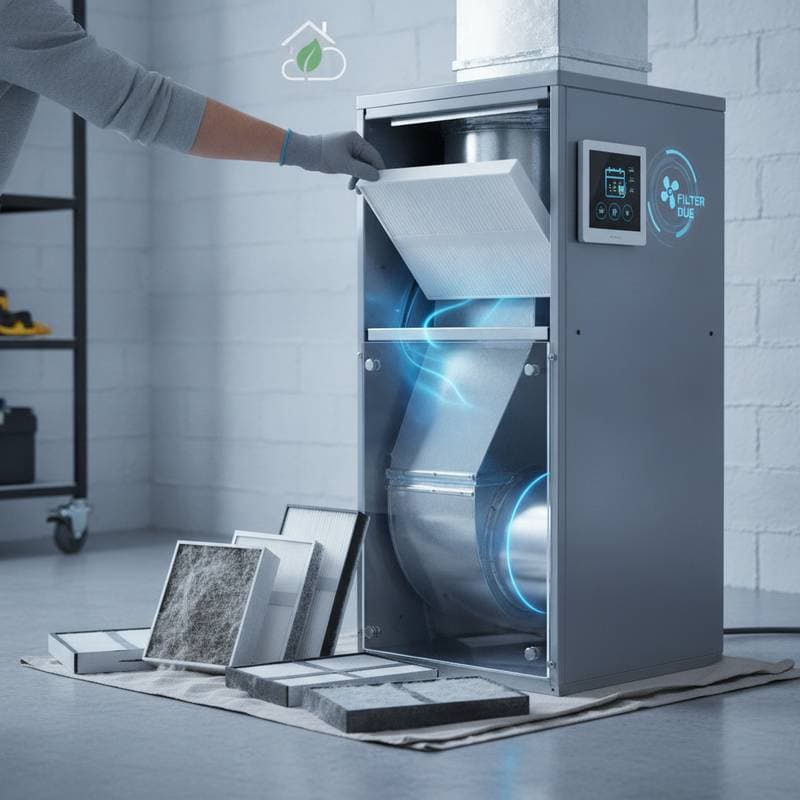
Observe directional arrows on filters; orient toward the unit for proper function.
Clean the Surrounding Area
Remove debris from vents and slots via vacuuming. This preparation enhances overall circulation.
Budget for Regular Maintenance
Allocate funds for filters within home upkeep plans. This investment safeguards equipment and air standards.
Sustaining Fall Comfort Through Filter Care
An appropriately selected and maintained HVAC filter bolsters seasonal well-being and vitality. Consistent attention, whether through personal effort or expert aid, preserves system integrity and delivers pristine indoor air.