Why Fall Chimney Inspections Enhance Home Safety
A crackling fire brings warmth and comfort as autumn chill sets in. However, this pleasure demands diligent oversight. Annual chimney inspections rank among the most reliable measures for upholding safety, optimizing performance, and securing tranquility. Homeowners benefit most by arranging service in fall, ahead of peak heating months. A properly serviced chimney averts dangers such as carbon monoxide infiltration and flue fires, while promoting smooth, energy-efficient operation.
Understanding Chimney Function and Upkeep
The chimney functions as an exhaust pathway, expelling smoke, combustion byproducts, and particulates from the living space. Blockages or deterioration transform this asset into a liability. Consistent upkeep preserves structural integrity, maintains unobstructed flow, and supports reliable heating.
In a comprehensive professional assessment, experts scrutinize essential elements:
- Flue lining: This inner shield directs exhaust gases away from the home without contamination.
- Damper: This regulator controls draft and prevents backdrafts.
- Masonry and mortar joints: These form the durable exterior that withstands weather exposure.
- Chimney cap and crown: These upper safeguards repel precipitation, foliage, and wildlife intrusion.
Neglecting even minor flaws in these areas invites substantial perils. For instance, a hairline fracture might permit heat escape, fostering hidden fires within walls.
Advantages of Fall Timing for Chimney Service
Fall presents optimal conditions for chimney evaluation. With cooler air prompting increased fireplace use, preemptive action guarantees hazard-free performance from the outset.
Primary benefits of fall scheduling include:
- Creosote mitigation: This sticky, combustible deposit from wood combustion accumulates rapidly. Removal in fall thwarts ignition risks during heavy use.
- Nest and debris removal: Wildlife often occupies idle flues in summer. Clearing these prevents airflow restrictions and secondary fires.
- Damage assessment: Seasonal shifts, including summer rains and winds, may weaken masonry. Prompt identification avoids escalation into major reconstructions.
- Ventilation verification: Obstructions heighten carbon monoxide accumulation. Fall checks confirm clear pathways, reducing poisoning threats.
Addressing concerns proactively in fall minimizes disruptions. Service providers face high demand in winter, so early booking ensures availability.
Evaluating DIY Versus Professional Approaches
Homeowners often consider self-inspection for cost savings. Basic exterior reviews suit light maintenance, yet experts deliver unmatched depth and reliability.
Fundamentals of DIY Inspection
For a preliminary scan, follow these procedures:
- Illuminate the flue with a strong light to spot soot layers, fissures, or impediments.
- Test damper movement for ease and completeness.
- Survey the outer structure for displaced bricks or eroded grout.
- Verify cap security and cleanliness from ground level.
Such methods uncover surface-level problems. However, they lack precision for internal diagnostics, where issues like flue liner spalling remain concealed.
Superiority of Expert Service
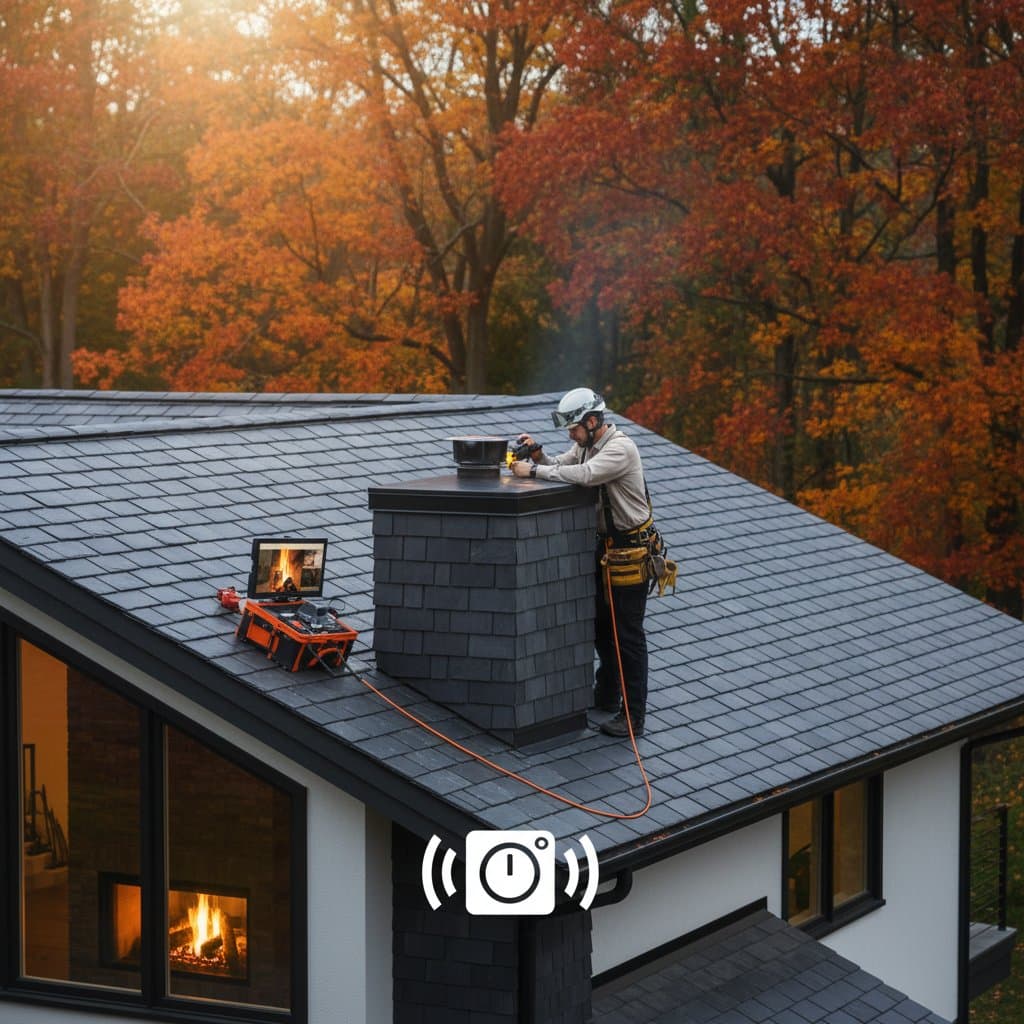
Qualified technicians employ specialized techniques for exhaustive analysis. Their capabilities encompass:
- High-resolution camera insertions to map internal surfaces.
- Precise quantification of creosote thickness.
- Gas detection for carbon monoxide pathways.
- Hazard mapping, including spark arrestor efficacy.
Beyond inspection, professionals execute deep cleaning with industrial brushes and vacuums, restoring peak draft. Initial investment yields long-term savings through averted emergencies and insurance discounts.
Frequently Asked Questions on Fall Chimney Service
How frequently do chimneys require inspection?
Annual evaluations suit most households. High-volume users benefit from semiannual reviews to monitor accelerated wear.
What indicators signal urgent chimney service?
Persistent smoke smells indoors, ignition struggles, or fireplace soot stains demand attention. External clues include flaking mortar or dampness within the firebox.
Do gas appliances necessitate chimney evaluations?
Affirmative. Though producing minimal residue, gas units face risks from vent corrosion, animal blockages, and draft failures.
What procedures mark a standard cleaning?
Specialists deploy rotating brushes, high-powered vacuums, and endoscopic cameras to dislodge accumulations. They validate damper seals and structural stability post-cleaning.
Is fireplace use safe with visible chimney cracks?
Negative. Such defects enable gas migration into living areas, heightening combustion hazards. Secure professional remediation prior to reignition.
Why install a chimney cap?
Caps shield against moisture infiltration, which erodes liners, while deterring pests and debris. They also stabilize drafts for cleaner burns.
How much time does inspection consume?
Routine assessments span one to two hours, scaling with chimney height and complexity.
What defines creosote, and what perils does it pose?
This viscous byproduct of incomplete combustion clings to flue walls. Its flash point enables rapid spread of flue fires if layers exceed one-eighth inch.
How to minimize creosote formation?
Select kiln-dried hardwoods and maintain vigorous drafts. Annual professional removal provides definitive control.
Does insurance address chimney repairs?
Policies often cover acute incidents like storm impacts or fire damage. Preventive upkeep falls under homeowner responsibility.
Preparing Effectively for Your Inspection
Streamlined preparation accelerates the process and sharpens results. Implement these measures:
- Declutter the hearth: Relocate ornaments, fuel, and implements for unobstructed access.
- Allow cooldown: Permit 24 hours post-use to eliminate residual heat.
- Facilitate entry: Remove obstacles to interior and roof access points.
- Compile inquiries: Note observations like unusual odors or performance dips.
Such readiness empowers technicians to focus on diagnostics, yielding precise recommendations.
Year-Round Strategies for Fireplace Reliability
Sustain your investment beyond the annual check. Monitor for subtle changes, such as shifting draft patterns, and log usage frequency. Integrate habits like full ash removal after burns and seasonal cap inspections. These practices extend component lifespan, lower fuel costs, and fortify family protection against unseen threats. With consistent vigilance, your fireplace delivers enduring warmth without compromise.