Boost Indoor Air: Best Fall HVAC Filter Choices
Fall brings cooler air, closed windows, and more time indoors. This change also means the HVAC system works harder to maintain comfort. However, a clogged or poorly matched air filter can trap dust in the ducts, reduce airflow, and circulate allergens. A fresh filter improves indoor air quality and ensures efficient system operation. The optimal choice depends on the home size, lifestyle, and desired air cleanliness level.
This guide explains filter types, MERV ratings, and key selection factors for optimal fall indoor air quality. Readers learn how to measure, replace, and maintain filters to keep air fresh from the first chill through the last leaf drop.
Why Fall Is the Right Time to Upgrade the HVAC Filter
As temperatures drop, windows close, and indoor air grows more stagnant. Summer dust accumulates in vents, while heating cycles draw allergens through the system. A new filter removes up to 95 percent of airborne particles, based on its rating and material.
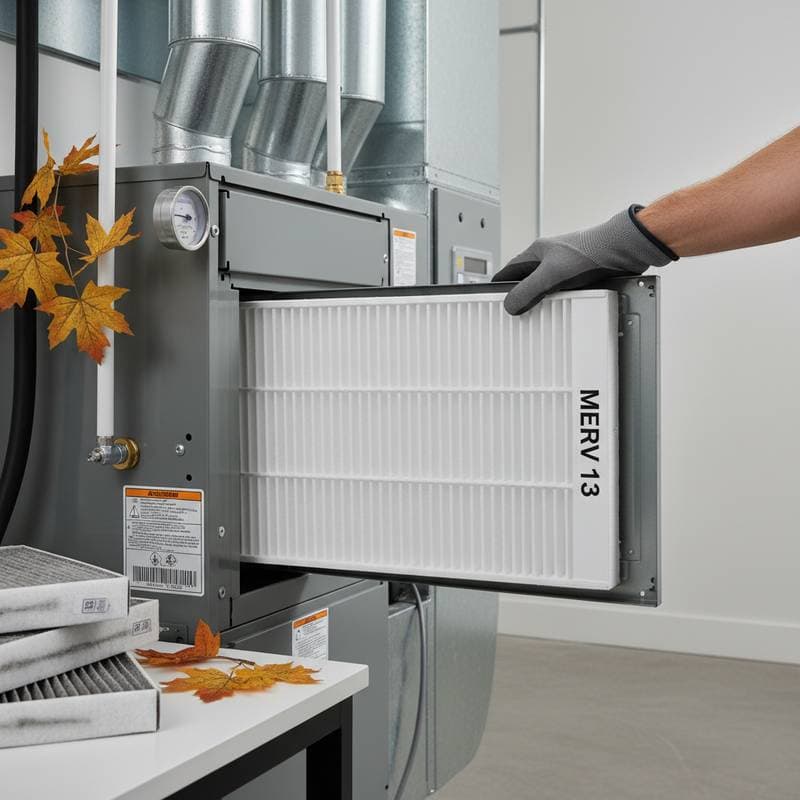
Quick answer: Replace the filter at the heating season start with one that balances airflow and filtration. Most homeowners benefit from a medium to high MERV filter, rated 8 to 13, according to health needs and system capacity.
Why It Matters
A dirty or undersized filter forces the blower motor to labor more, raising energy use by up to 15 percent. This added stress shortens the furnace or heat pump lifespan. Clean filters also minimize dust on furniture and enhance breathing comfort, particularly for individuals with allergies or asthma.
Understanding Filter Ratings and Materials
Before selection, grasp the meaning of ratings and materials. HVAC filters use the Minimum Efficiency Reporting Value, or MERV, scale from 1 to 20. This measures particle capture efficiency by size.
| MERV Rating | Particle Size Captured | Best For | Typical Material |
|---|---|---|---|
| 1 to 4 | Large dust and lint | Basic protection | Disposable fiberglass |
| 5 to 8 | Dust, mold spores, pet dander | Standard homes | Pleated paper or polyester |
| 9 to 12 | Fine dust, pollen, smoke | Allergy-prone households | Electrostatic or high-efficiency pleated |
| 13 to 16 | Bacteria, smoke, fine particles | Medical or high-sensitivity homes | Synthetic or HEPA-grade media |
Filters above MERV 13 suit specialized systems, as they may restrict airflow in standard residential units.
Material Types and Real Performance
- Fiberglass filters cost little, measure 1 inch thick, and capture only large particles.
- Pleated filters fold material to expand surface area and endure up to 90 days.
- Electrostatic filters employ static electricity to draw particles and come in washable or disposable forms.
- HEPA filters trap 99.97 percent of particles down to 0.3 microns but demand compatible units with robust fans.
For most homes, a pleated MERV 8 to 12 filter provides solid filtration without compromising airflow.
Measuring and Sizing the Right Filter
An improper fit allows air leaks around edges, permitting dust to enter the system. Follow these steps for accurate measurement:
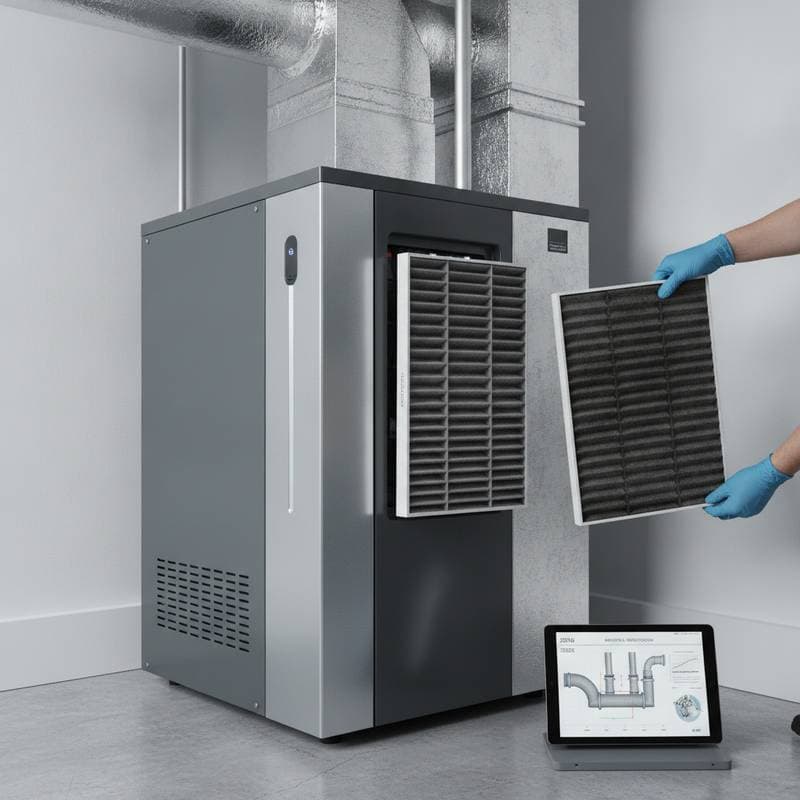
- Remove the old filter and note its printed size, often in inches like 16x25x1.
- Measure the filter slot opening. For a 15.5x24.5-inch space, select the closest nominal size of 16x25.
- Verify thickness, from 1 to 5 inches. Thicker options endure longer and hold more debris but may not suit older systems.
The National Air Filtration Association advises at least 1-inch filters for basic systems and 4-inch media filters for high-efficiency models. Confirm the system airflow rating to prevent blower overload.
Choosing the Best Filter for the Home Type
Each home presents distinct requirements. Selection hinges on priorities such as efficiency, health, or budget.
For Standard Homes
A MERV 8 pleated filter works well. It captures household dust, lint, and pollen while preserving strong airflow. Replace every 60 to 90 days, based on usage.
For Homes with Pets
Pet hair and dander accelerate clogging. Opt for a MERV 10 or 11 electrostatic filter to capture fine particles and odors. Replace every 30 to 60 days, and vacuum vents weekly.
For Allergy or Asthma Concerns
A MERV 12 to 13 pleated synthetic filter eliminates up to 90 percent of allergens, including mold spores and smoke. Verify blower motor capacity to manage resistance.
For Older HVAC Systems
Use MERV 6 to 8 fiberglass or pleated filters to avoid airflow limits. Pair with portable room purifiers for extra filtration.
For Large or Multi-Story Homes
Select a 4-inch thick media cabinet filter, which lasts up to six months. These suit central return systems and cut maintenance needs.
Cost and Replacement Frequency
Costs depend on size, thickness, and efficiency:
- Fiberglass filters: $5 to $10 each, replaced monthly.
- Pleated filters: $10 to $30 each, replaced every 2 to 3 months.
- Electrostatic filters: $20 to $40, washable and reusable.
- Media filters: $40 to $80, replaced every 6 months.
Investing in higher-grade filters yields savings via extended life and lower energy bills. Energy Star indicates clean filters reduce heating and cooling costs by up to 10 percent.
Common Mistakes to Avoid
Even superior filters underperform if installed wrong. Note these errors:
- Installing backwards: Airflow arrows on the frame point toward the blower motor.
- Skipping replacements: Delays cause pressure drops that strain the system.
- Ignoring gaps: Loose fits let dust pass; apply gasket strips or choose snug models.
- Using HEPA in non-HEPA systems: This leads to short cycling and discomfort.
- Assuming universal fit: Match the filter CFM rating to unit specifications.
Inspect the filter monthly, especially during fall and winter when systems operate frequently.
Accessibility and Health Considerations
In homes with elderly residents or mobility issues, select extended-life filters lasting 4 to 6 months to ease maintenance. Record schedules on the thermostat or use smart home apps to monitor airflow hours. For medical air equipment users, consult professionals to integrate high-efficiency systems while preserving pressure balance.
DIY or Hire a Pro?
Standard filter replacement qualifies as a simple DIY task under ten minutes, needing only a flashlight and perhaps a screwdriver for panel fasteners.
Hire a professional when:
- The system features a built-in media cabinet.
- Airflow seems uneven or noisy post-change.
- Upgrading to a MERV rating beyond blower limits.
Technicians test static pressure and verify capacity for advanced installations.
Setting a Seasonal Air Filter Schedule
Consistent timing avoids dips in performance and stabilizes air quality. Adopt this baseline:
| Home Type | Filter Type | Replacement Frequency |
|---|---|---|
| Single occupant, no pets | Pleated MERV 8 | Every 3 months |
| Family with pets | MERV 10 electrostatic | Every 1 to 2 months |
| Allergy-sensitive household | MERV 12 or 13 | Every 1 to 2 months |
| Large home with media filter | 4-inch MERV 11 | Every 4 to 6 months |
Inscribe the installation date on the filter frame for easy tracking.
Maintain Fresh Air Through the Season
Filter replacement appears routine, but it profoundly affects comfort, expenses, and well-being. The proper filter cleans air, safeguards the system, and lessens dusting tasks. Begin by assessing the current filter size and MERV rating, then select the ideal option for household demands.
To elevate air quality, establish reminders for seasonal shifts and procure filters in advance. With routine practice, the HVAC system operates more smoothly, the home feels invigorated, and breathing improves upon entry.