How Regular HVAC Filter Changes Enhance Indoor Air Quality
Homeowners frequently overlook the significant impact of HVAC filter replacements on indoor air quality. Air flows continuously through the home and passes through the filter, which captures dust, pollen, mold spores, pet dander, and various airborne contaminants. As the filter accumulates debris, it clogs, compelling the system to operate with greater effort while diminishing air purity. Consistent replacements maintain a clean HVAC system and promote healthier indoor air.
Understanding How HVAC Filters Function
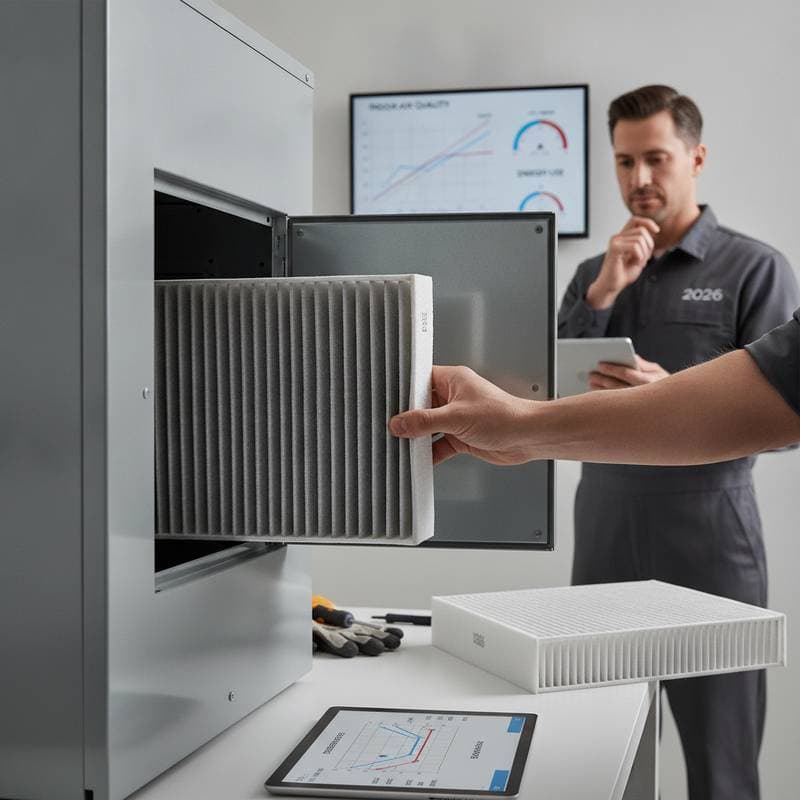
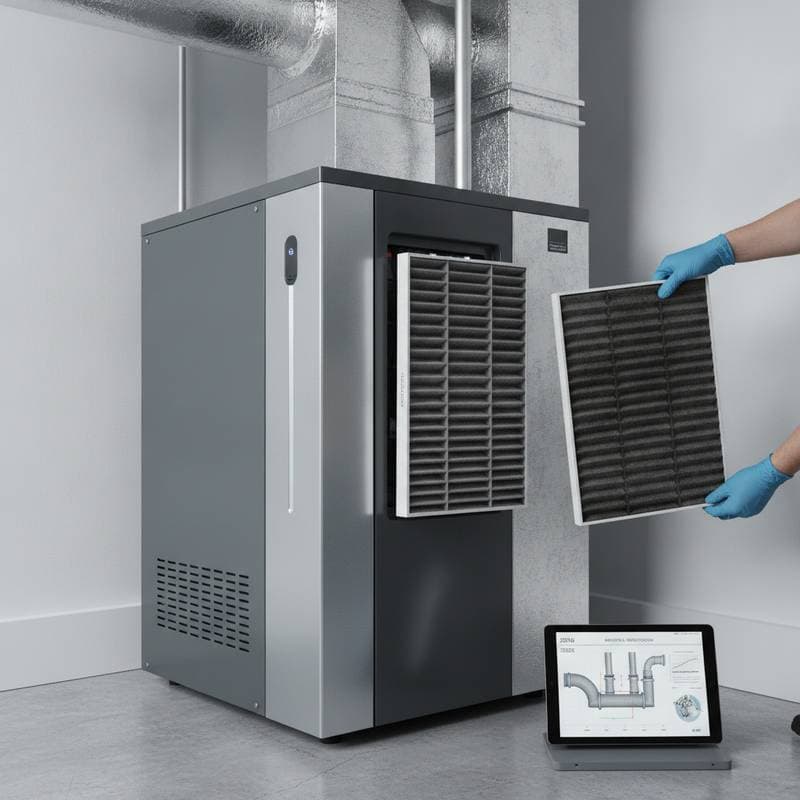
HVAC filters serve as barriers between air ducts and occupied areas. When the furnace or air conditioner activates, air passes through the filter prior to reaching the blower or coils. This process traps minute particles that might otherwise deposit on furnishings or remain suspended in breathable air.
Filters vary in design, including fiberglass, pleated, electrostatic, and HEPA varieties. Their effectiveness relies on the MERV rating, a scale from 1 to 20 that measures particle capture capability. Higher ratings excel at trapping finer particles, such as those from smoke or bacteria, but may impede airflow in incompatible systems. Balance filtration strength with airflow needs to preserve system efficiency and performance.
Consequences of Neglected Filters on Air Quality
Clogged filters restrict airflow, requiring the HVAC unit to extend operation cycles to achieve desired temperatures. This increased workload elevates energy use and accelerates wear on components like the blower motor and compressor. Beyond mechanical strain, ineffective filters fail to contain pollutants, allowing them to redistribute throughout the home.
Compromised air quality exacerbates allergies, breathing difficulties, and migraines. Households including children, seniors, or individuals with asthma face heightened risks. Additionally, restricted airflow fosters moisture retention on coils, promoting mold proliferation that worsens air conditions further.
Interconnection Between Air Quality and System Performance
Indoor air purity directly correlates with HVAC efficiency. Clean filters facilitate unrestricted airflow, stabilizing temperature and humidity control. This prevents dust buildup in ducts and vents, ensuring even distribution.
Experts advise filter changes every one to three months, adjusted for specific conditions. Residences with pets, tobacco use, or proximity to construction sites demand more frequent attention. Homeowners in online forums report noticeable dust decreases after adopting premium filters and strict schedules, particularly in pet-heavy environments.
Financial Benefits of Consistent Filter Maintenance
Postponing replacements to cut costs often results in greater expenses over time. Overburdened systems from dirty filters drive up utility bills through prolonged runtime. Severe clogs may precipitate breakdowns necessitating costly interventions.
Well-maintained filters sustain airflow, potentially raising efficiency by 15 percent, as noted in energy efficiency analyses. Since heating and cooling constitute approximately 50 percent of home energy demands, such improvements yield substantial savings annually.
Selecting Appropriate Filters for Residential Use
Filter choice hinges on system specifications and air quality objectives.
-
Fiberglass filters: Budget-friendly options with basic filtration for larger debris. Suitable for low-dust homes without prominent allergy issues.
-
Pleated filters: Constructed from folded polyester or cotton, these trap finer particles effectively while accommodating airflow in standard setups.
-
Electrostatic filters: Employ static charge to draw particles; reusable after washing, offering long-term value.
-
HEPA filters: Achieve 99.97 percent capture of particles as small as 0.3 microns. Ideal for severe allergies, though they require system compatibility to avoid airflow obstruction; seek professional advice prior to use.
Consult the equipment manual for precise dimensions and compatibility. Incorrect installations risk unfiltered air leakage or excessive motor strain.
Indicators for Filter Replacement
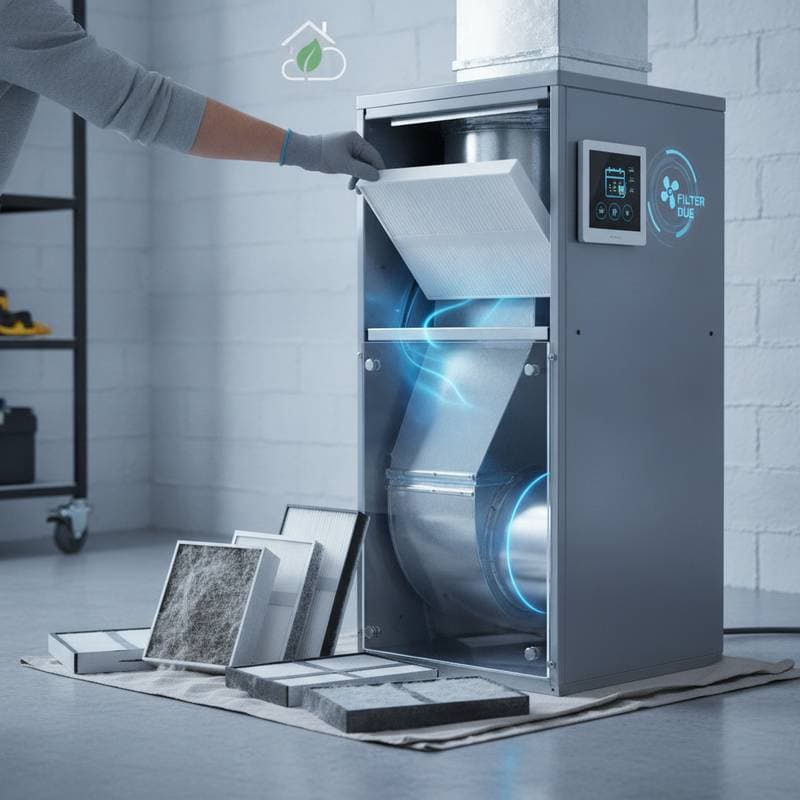
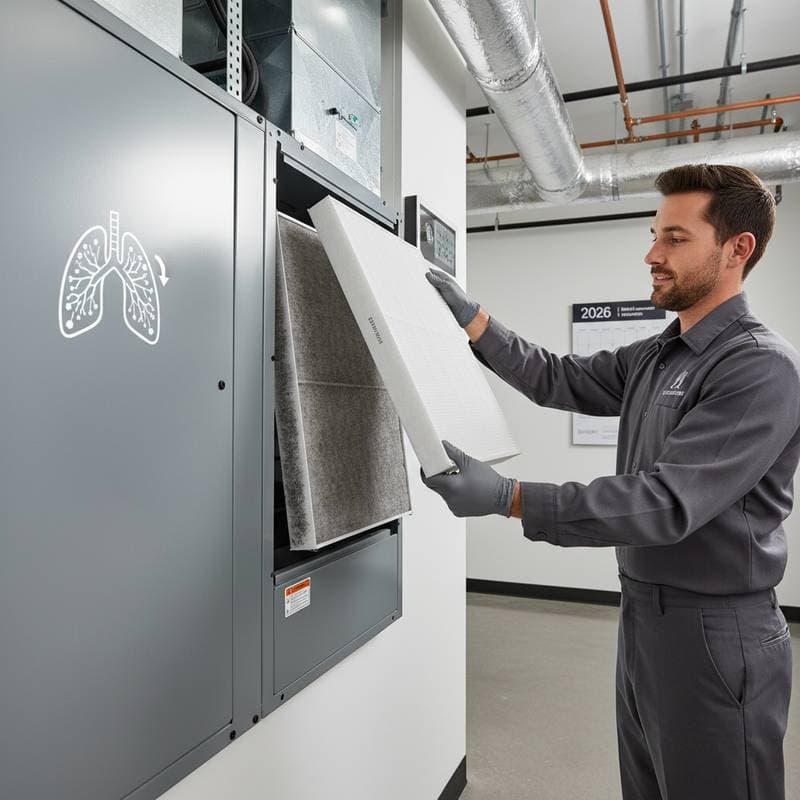
Examine filters visually by holding them against light; opacity signals the need for change. Monitor for extended run times, inconsistent temperatures, or rising dust levels on surfaces and registers.
Modern smart thermostats and monitoring applications provide usage-based alerts, eliminating reliance on memory and ensuring timely action.
Integrating Professional Services into Filter Care
Filter swaps qualify as straightforward self-tasks, yet annual or biannual professional inspections safeguard overall air quality and operation. Technicians evaluate coils, fans, and ducts for accumulations beyond filter reach.
Service providers report that restricted airflow from overlooked filters accounts for nearly 50 percent of service requests. Their records indicate that regular replacements cut emergency visits by over 30 percent within two years, underscoring proactive care's value.
Adapting Filter Schedules to Seasons
Seasonal demands influence replacement frequency. Peak usage in winter heating or summer cooling accelerates debris capture. Spring allergens and fall leaves intensify loading on filters.
Establish a calendar-based plan with reminders, and stock bulk purchases to streamline the process and control expenses.
Sustaining Long-Term Home Comfort
Incorporate filter maintenance into routine upkeep to safeguard comfort and finances. Efficient filters minimize component stress, preserve energy, and deliver purer air.
Adhering to schedules extends HVAC longevity while enhancing daily living conditions. Pair replacements with periodic checks and expert support to cultivate an environment that prioritizes health, efficiency, and ease.