Essential AC Preparation Steps to Avoid Costly Repairs
Summer heat transforms your air conditioner into a vital component of home comfort. A properly maintained system controls utility expenses and averts unexpected failures that demand urgent professional intervention. This preparation checklist equips homeowners to ready their units for the season, fostering efficiency and reliability while conserving resources.
1. Inspect and Replace Air Filters
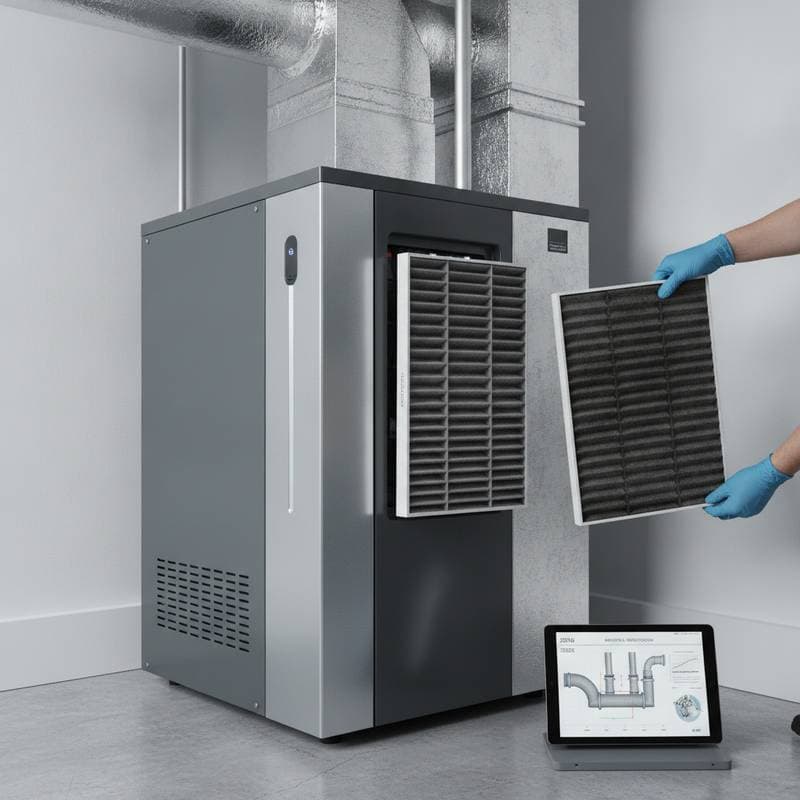
Clogged filters represent the primary cause of inefficient cooling performance. They restrict airflow, elevate energy consumption, and impose stress on system components. Prior to engaging the unit for continuous operation, remove the filter and examine it against a light source. Replace it if light struggles to penetrate the material.
Select a filter aligned with the manufacturer's specified MERV rating. Higher ratings capture smaller particles, yet they may impede airflow in systems not equipped for such resistance. For typical residences, a moderate-rated filter replaced every one to three months delivers optimal results. Regular filter maintenance reduces energy usage by up to 15 percent.
2. Clear Debris from the Outdoor Unit
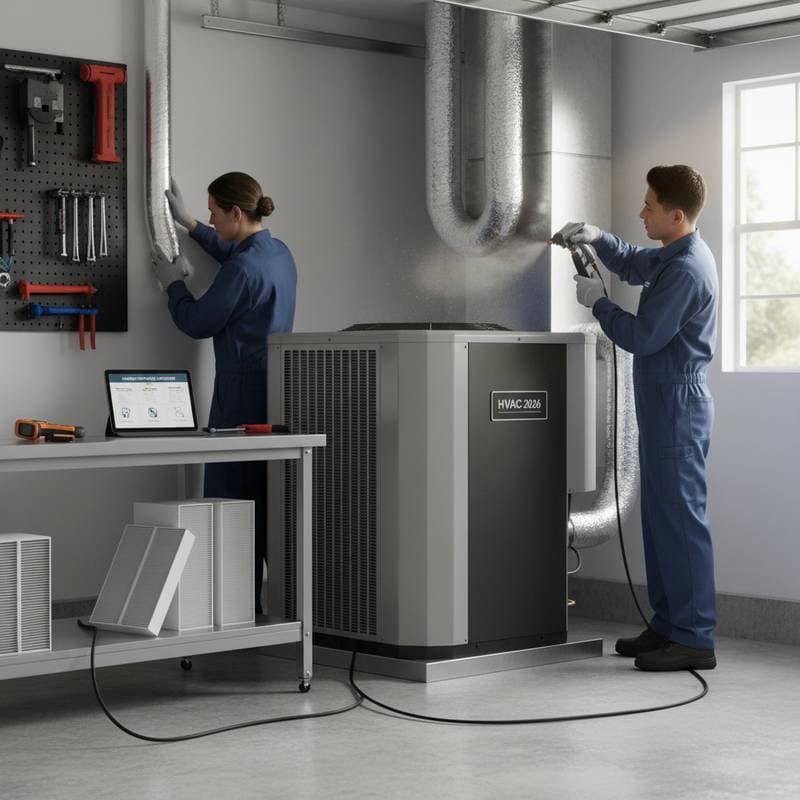
The exterior condenser unit requires unobstructed surroundings to expel heat efficiently. Accumulated leaves, grass clippings, and soil often adhere to the coil fins, impairing operation. Maintain a minimum two-foot clearance by trimming nearby vegetation. Proceed to rinse the fins gently with a garden hose, directing water from the interior outward.
High-pressure washers risk bending the fragile metal fins, so avoid their use. Should fins show damage or severe blockages, a professional can employ a fin comb for straightening and restoration. Routine cleaning of the condenser prolongs unit longevity by multiple years.
3. Clean Evaporator Coils and Drain Lines
Within the indoor unit, the evaporator coil gathers dust and moisture residue. Neglect leads to icing or leaks that harm surrounding structures like floors and ceilings. Access the panel to visually assess the coil for buildup. Apply a dedicated coil cleaner or a solution of mild detergent for thorough removal.
With the panel accessible, identify the condensate drain line. Clear potential obstructions using a wet-dry vacuum or by flushing with a cup of vinegar to inhibit algae growth. Obstructed lines cause water accumulation, frequently necessitating expensive repairs.
4. Verify Thermostat Accuracy
A malfunctioning thermostat squanders energy or disrupts indoor comfort levels. Activate the cooling system and compare its reading to an independent thermometer. Recalibrate or replace the device if discrepancies exceed two degrees.
Upgrading to a smart thermostat offers substantial savings for those seeking advanced control. These units adapt to occupancy patterns, automatically modulating cooling to achieve up to 10 percent reductions in energy costs. Select models compatible with standard HVAC configurations for seamless integration.
5. Assess Electrical Connections and Safety Features
Frayed wiring, oxidized terminals, or degraded capacitors frequently precipitate system breakdowns. Disconnect power at the breaker panel before inspecting the outdoor unit's electrical compartment. Search for indicators of deterioration, such as discoloration from heat exposure. Cease inspection and summon a technician if burning odors or melted insulation appear.
Measuring voltage and capacitance demands specialized equipment and expertise. Individuals lacking electrical knowledge should defer this task to qualified professionals. Annual expert evaluations mitigate risks of shorts or compressor failures, which incur repair expenses in the thousands.
6. Evaluate Ductwork for Leaks and Accumulation
Duct system breaches dissipate up to 30 percent of conditioned air prior to distribution. Survey visible sections in attics, basements, or crawl spaces for separations, unsecured joints, or insulation tears.
Apply HVAC-specific foil tape to minor leaks, avoiding standard duct tape for durability. For extensive issues or concealed areas, technicians conduct pressure tests and utilize mastic sealant for enduring seals. Periodic duct cleaning enhances air quality and eases blower motor workload.
7. Monitor Refrigerant Levels and Auditory Cues
Depleted refrigerant signals potential leaks demanding prompt resolution. Contact a specialist if the unit emits warm air or produces hissing sounds along refrigerant lines. Certified technicians alone manage refrigerant handling and recharging in compliance with regulations.
Unusual sounds, including grinding, rattling, or buzzing, indicate loose elements or worn bearings. Early detection averts compressor malfunctions, among the priciest AC repairs.
8. Audit Insulation and Window Integrity
An optimized AC unit falters against poor building envelope efficiency. Examine windows, doors, and attic insulation ahead of intense heat periods. Apply weatherstripping or caulk to address minor gaps effectively.
Enhance insulation surrounding ducts in unconditioned zones to boost performance by up to 20 percent. This measure supports cooling efforts and contributes to reduced heating demands in cooler months.
9. Arrange Professional Maintenance
Homeowners can manage many checklist items independently, yet annual technician visits guarantee comprehensive system optimization. Experts deploy precision tools to gauge refrigerant pressures, evaluate motors, and confirm safety mechanisms.
Numerous service providers extend seasonal discounts to render maintenance accessible. Proactive spring servicing, often costing around one hundred dollars, forestalls mid-summer emergencies exceeding one thousand dollars in repairs. Retain documentation from inspections to substantiate warranty eligibility.
10. Strategize System Replacement
Units exhibiting age-related decline or recurrent issues warrant early replacement planning. Contemporary models incorporate variable-speed compressors that modulate output to match needs, yielding energy savings up to 30 percent.
Explore high-efficiency options via certification programs and local utility incentives. Advance scheduling during low-demand periods secures lower installation rates and prompt service.
Optimize System Performance Year-Round
Adhering to this preparation checklist sustains peak AC functionality and diminishes failure probabilities during peak usage. Integrated efforts in filter care, coil maintenance, and thermostat precision collectively elevate comfort and efficiency.
Proactive homeowners experience diminished repair frequency and extended equipment durability. Consistent application of these practices, whether self-performed or professionally overseen, yields lasting benefits in cost control and reliability.