
Introduction to HVAC Filter Maintenance
Homeowners often overlook HVAC filter changes, yet this simple task yields significant returns. A clogged filter restricts airflow, forcing the system to work harder and consume more energy. Regular monthly replacements ensure smooth operation, lower utility costs, and better air quality.
The benefits extend beyond immediate savings. Clean filters protect against dust accumulation, reduce strain on components, and contribute to a healthier living space. This article explores the advantages, practical steps, and tools to make filter maintenance a seamless part of your routine.
Key Benefits of Monthly Filter Changes
Monthly filter replacements deliver measurable improvements in performance and efficiency. Systems with clean filters operate more effectively, using less power to heat or cool your home. Studies indicate potential energy reductions of 10 to 15 percent, translating to substantial annual savings.
Beyond energy use, these changes enhance indoor air quality by capturing allergens, pollen, and particles before they circulate. This results in fewer respiratory issues for occupants and a fresher environment. Additionally, reduced system strain minimizes wear, potentially extending the lifespan of your HVAC unit by several years.
Step-by-Step Guide to Changing Filters
Perform filter changes at the beginning of each month to maintain consistency. Select pleated filters with a MERV rating of 8 to 13, suitable for most residential systems, as they balance filtration effectiveness with airflow. Measure your current filter to ensure the replacement matches the exact dimensions.
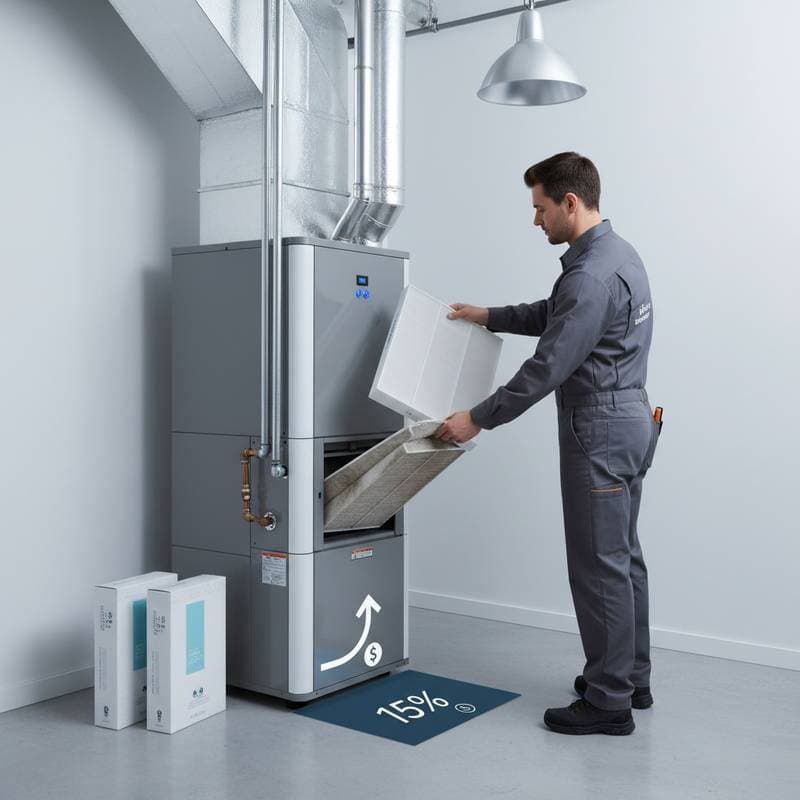
To replace the filter, first turn off the HVAC system at the thermostat and power source for safety. Locate the filter slot, typically near the return air duct or furnace. Slide out the old filter, noting the airflow direction arrow, which points toward the blower.
Inspect the old filter for dirt levels; dispose of it in a sealed bag if it holds heavy dust or allergens to prevent airborne particles. Insert the new filter with the arrow facing the correct direction. Restore power and run the system briefly to verify proper airflow.
Analyzing Costs and Energy Savings
The economics of monthly filter changes favor consistent action. Basic pleated filters cost between three and ten dollars each, depending on size and quality. Over 12 months, this totals under 120 dollars for most households.
Energy savings offset this expense quickly. A clean filter lowers electricity or fuel use by 10 to 15 percent, potentially saving 100 to 300 dollars annually on bills, based on average U.S. household consumption. For a four-ton system in a warm climate like Texas, one contractor reported a 14 percent drop in monthly cooling costs after implementing monthly changes.
Longer-term, regular maintenance extends HVAC lifespan by up to 10 years, avoiding premature replacements that can exceed 5,000 dollars. These factors combine to provide a strong return on the minimal investment required.
Incorporating Filter Changes into Routine Maintenance
Effective HVAC care involves more than filters alone. Integrate replacements with complementary tasks to maximize system health and efficiency.
Consider these monthly pairings:
- Vacuuming supply vents and registers to remove surface dust.
- Wiping return air grilles with a damp cloth to clear debris.
- Replacing thermostat batteries if the display dims.
- Examining visible ductwork for insulation gaps or damage.
- Monitoring for unusual noises, such as rattling or humming, during operation.
This comprehensive approach prevents gradual buildup and identifies issues early. Schedule these activities with household cleaning to build habits without added complexity. Professional inspections twice yearly complement these efforts, ensuring peak performance.
Leveraging Technology for Easier Management
Modern tools simplify filter tracking and replacement. Smart thermostats from Ecobee or Nest monitor runtime and airflow, sending alerts when restrictions indicate a dirty filter.
Advanced models assess air quality in real time and customize reminders based on actual usage patterns. This prevents unnecessary changes while avoiding oversight, optimizing both efficiency and resource use.
Dedicated apps further assist. Platforms like HomeZada or BrightNest enable logging of maintenance activities, storage of purchase receipts, and automated notifications. Integrate these with calendar apps for recurring prompts, making adherence effortless.
Enduring Advantages for Homeowners
Consistent filter changes yield benefits that accumulate over time. They support stable indoor temperatures, reducing hot or cold spots and enhancing overall comfort. Equipment preservation maintains property value, as buyers prioritize reliable systems.
Environmentally, efficient operation cuts greenhouse gas emissions through lower energy demands. A well-documented maintenance history, including filter logs, reassures inspectors and appeals to eco-conscious purchasers. These elements position your home for sustainability and resale success.
Establishing a Sustainable Maintenance Habit
Commit to monthly filter changes as a foundational practice for HVAC care. This routine safeguards your investment, trims expenses, and elevates living quality. Track progress through utility statements to quantify improvements.
Pair this with seasonal professional tune-ups and energy-conscious behaviors, such as adjusting settings when away. Homeowners embracing these steps experience fewer breakdowns, cleaner air, and tangible financial gains. Initiate the practice this month; the enhancements to comfort and costs will soon become evident.




