2026 HVAC Filter Schedule: Streamline Your Seasonal Maintenance
Homeowners frequently overlook the significant role that a clean HVAC filter plays in enhancing comfort, improving air quality, and reducing energy expenses. These filters safeguard the system against dust and debris, promote steady airflow, and lessen the burden on the blower motor. However, numerous households operate with obstructed filters for extended periods, compelling the system to labor more intensely and consume additional energy. Implementing a structured filter replacement schedule renders maintenance routine and effortless.
This comprehensive guide presents a straightforward seasonal strategy accessible to every homeowner. Such an approach averts expensive repairs, fosters healthier indoor air, and prolongs the operational lifespan of HVAC equipment. By adhering to this plan, individuals can achieve up to a 15 percent reduction in energy bills through improved efficiency.
Overview of Seasonal Filter Replacements
Seasonal variations introduce distinct challenges that accelerate debris accumulation in filters. Factors such as dust, pollen, pet dander, and humidity fluctuate with environmental conditions. The following detailed outline provides a clear framework for year-round maintenance, tailored to common household dynamics.
Winter: Consistent Heating Amid Dry Conditions
In the colder months, heating systems operate at higher frequencies. Sealed homes trap and recirculate dust more effectively, leading to faster filter clogging. Homeowners should replace filters every one to two months, adjusting based on household occupancy and the presence of pets. Pleated filters excel at capturing fine particulates, including those from wood-burning fireplaces or arid indoor environments. For larger families or homes with multiple occupants, monthly checks ensure optimal performance and prevent reduced heating efficiency.
Spring: Onset of Allergy Triggers
As spring arrives, pollen from blooming plants and outdoor particulates infiltrate homes through open windows and ventilation. Installing a new filter at the season's start minimizes allergen intrusion. Individuals with family members prone to seasonal allergies often opt for high-efficiency particulate air (HEPA) filters during this period. Schedule an additional replacement just prior to the transition to summer cooling to maintain clean airflow. This proactive measure not only alleviates allergy symptoms but also supports overall respiratory health.
Summer: Intense Cooling Demands
Cooling systems during summer process substantial air volumes, drawing in dust, humidity, and outdoor pollutants at an accelerated rate. In regions with high moisture levels, prolonged filter use risks mold development, which compromises air quality. Replace filters monthly throughout peak cooling months to sustain system efficiency. Electrostatic or antimicrobial filters prove particularly effective, as they attract particles electrostatically and inhibit microbial growth, resulting in fresher indoor air. Monitor for signs of humidity buildup, such as condensation around vents, to time replacements accurately.
Fall: Preparation for Heating Transition
The temperate fall climate presents an ideal window for comprehensive HVAC assessments. Install fresh filters ahead of the heating season to guarantee smooth operation as temperatures decline. This timing allows for complementary tasks, including vent cleaning, duct seal inspections, and professional tune-ups if airflow diminishes. Fall maintenance sets a strong foundation for winter, reducing the likelihood of mid-season breakdowns and ensuring even heat distribution throughout the home.
Estimating Costs and Time for Replacements
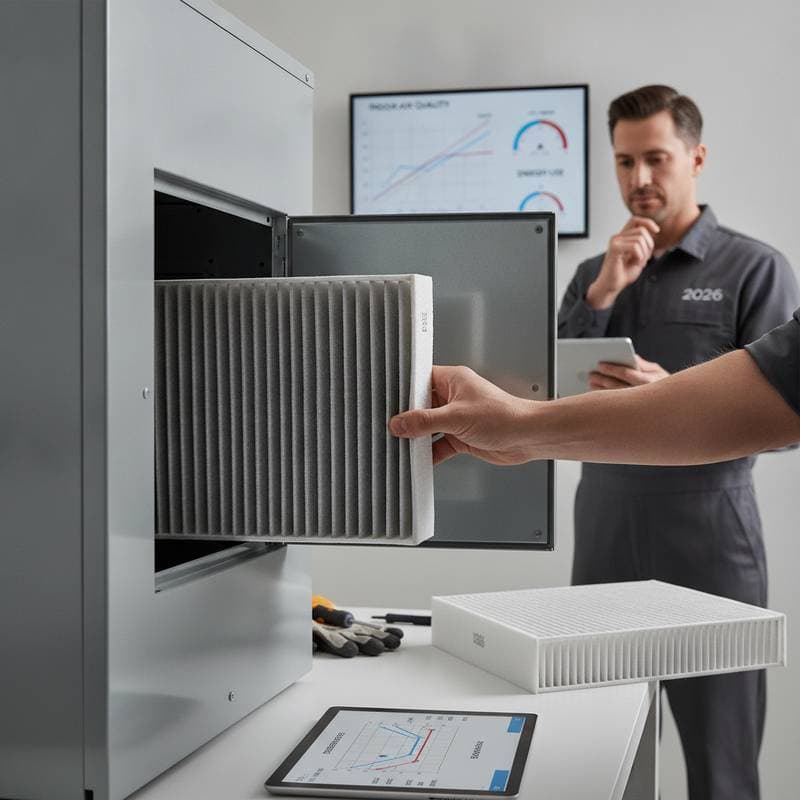
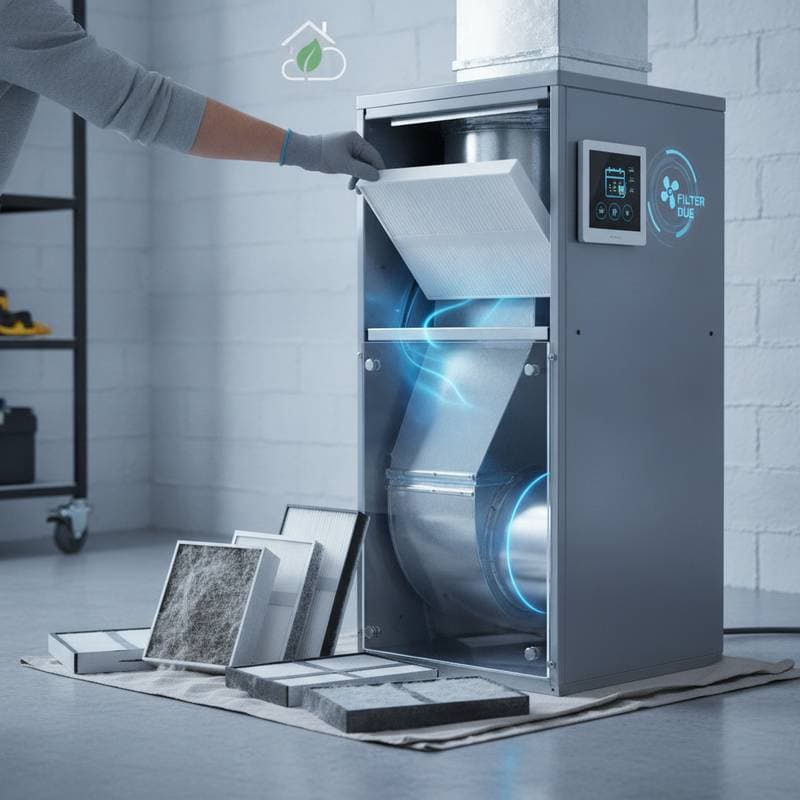
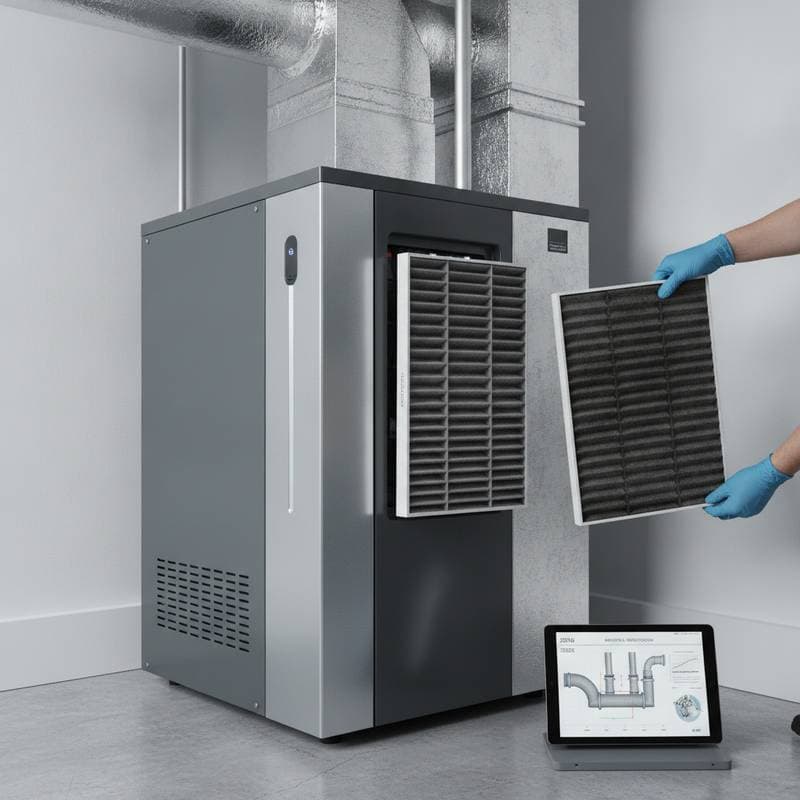
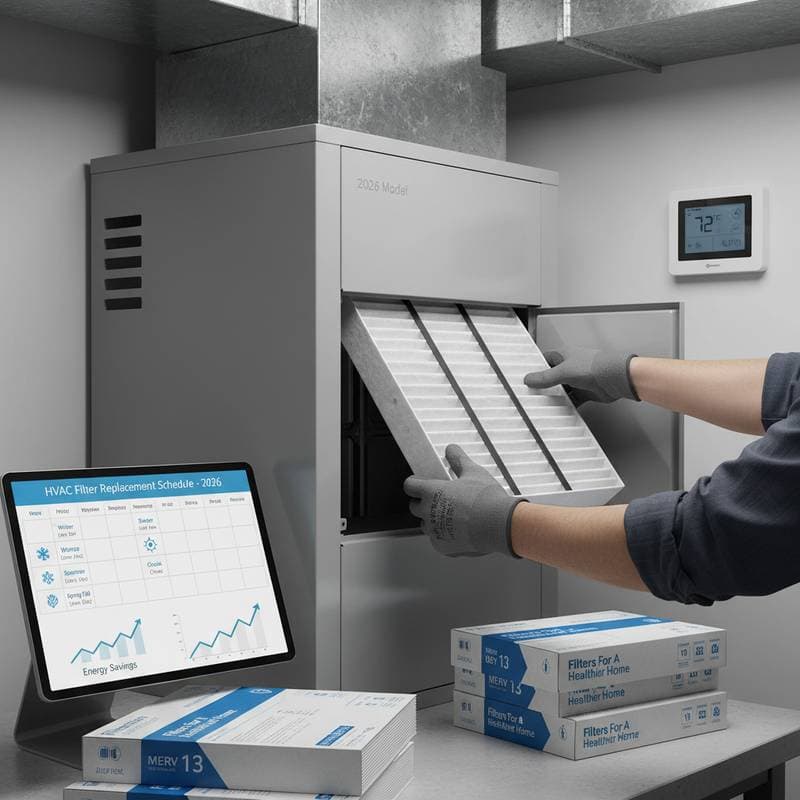
Replacing HVAC filters ranks among the simplest and most economical maintenance activities. Basic fiberglass filters typically cost between five and ten dollars per unit. Pleated varieties fall in the range of fifteen to thirty dollars, offering superior filtration for everyday use. Advanced HEPA filters may exceed fifty dollars but provide unmatched particle capture for sensitive environments. The process requires under ten minutes: remove the old filter, wipe the housing clean of debris, and secure the new one in place. This minimal effort yields substantial returns, including lower utility bills from enhanced airflow and avoidance of repair costs stemming from system strain.
To maximize savings, purchase filters in bulk during off-peak seasons and select options rated with a Minimum Efficiency Reporting Value (MERV) of 8 to 13, balancing effectiveness and airflow. Track expenses over a year to quantify the 15 percent energy reduction, often visible in quarterly bills.
Indicators for Professional Assistance
Persistent operational issues warrant expert evaluation, even following filter replacements. Noises such as rattling or humming, alongside inconsistent room temperatures or unpleasant odors, signal underlying problems. These may involve blocked ducts, deteriorated blower parts, or filters insufficient for the home's air quality demands. Qualified HVAC technicians perform diagnostic tests, including airflow measurements and pressure differential assessments, to pinpoint issues. They also advise on customized filter selections, ensuring compatibility with your system's specifications and local climate.
Early intervention prevents minor concerns from escalating into major failures, potentially saving thousands in replacement costs for components like compressors or coils.
Strategies to Avoid Recurring Problems
Adopting a reliable HVAC filter schedule sustains system efficiency and promotes superior indoor air quality. Integrate filter swaps with routine chores, such as dusting registers, vacuuming return grilles, and verifying thermostat functionality. Affix date labels directly on filters upon installation and maintain a stockpile in a cool, dry storage space to facilitate prompt changes. For tech-savvy homeowners, digital calendar reminders or apps dedicated to home maintenance can automate scheduling.
Beyond filters, annual professional inspections address holistic system health, identifying inefficiencies early. These combined practices not only cut energy use by 15 percent but also create a more comfortable, healthier living environment year after year.