
Summer AC Preparation: Essential DIY Steps and When to Call a Professional
As temperatures rise, a well-maintained air conditioner ensures comfort and controls energy costs. Proactive preparation prevents unexpected failures and optimizes performance during peak heat. This guide outlines practical steps for homeowners to ready their systems, blending simple tasks with indicators for expert intervention.
Clean the Condenser Unit Thoroughly
Efficiency begins with a dirt-free exterior. Shut off power to the unit via the breaker or disconnect switch. Clear leaves, dirt, and debris from the outdoor condenser, and trim vegetation to maintain at least two feet of clearance for optimal airflow.
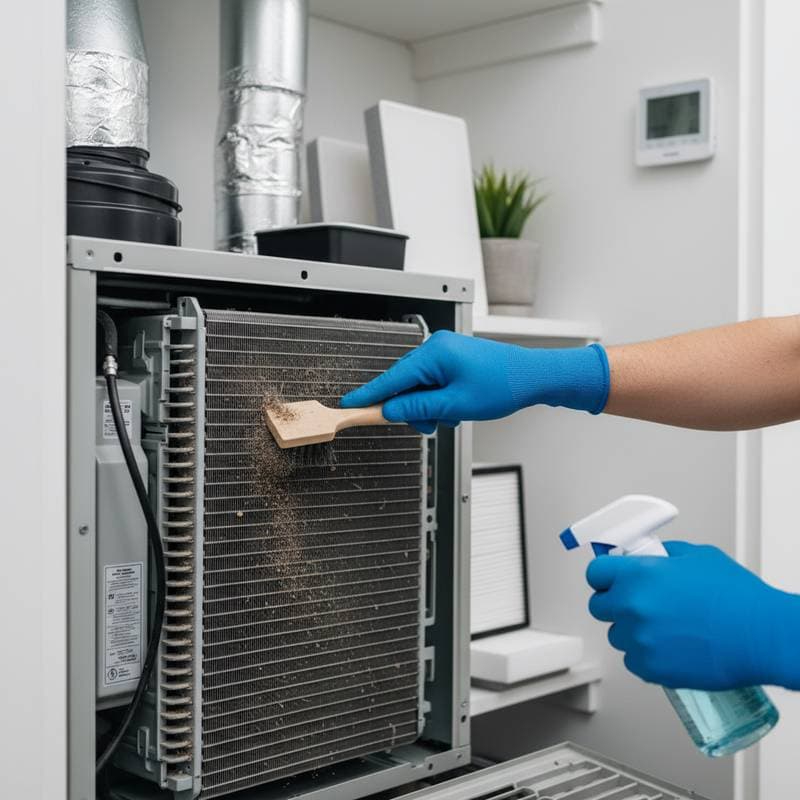
Remove the top grille and brush the condenser coils gently with a soft tool or apply a specialized coil cleaner. Avoid bending the fins, which are essential for heat transfer. Rinse with a garden hose at low pressure to remove residue, directing water away from electrical parts. Regular cleaning like this reduces operational noise and shortens cooling cycles.
Replace or Clean Air Filters Regularly
Dirty filters restrict airflow and strain the system, leading to higher energy consumption. Inspect and replace disposable filters, or wash reusable ones, every one to three months based on household dust accumulation. Clean filters improve energy efficiency by up to 15 percent and prolong equipment lifespan.
Examine all room vents to ensure they remain open and unobstructed by furniture or drapes. Restricted airflow results in uneven cooling and increased workload on the unit. Proper ventilation promotes balanced temperatures throughout the home.
Calibrate and Test the Thermostat
Verify thermostat functionality before summer demands increase. Set it to cooling mode and lower the temperature slightly below the current room reading. The system should activate promptly; if not, inspect batteries and breakers for issues.
Advanced models include built-in diagnostics to flag potential problems early. Persistent delays or inaccurate readings may require recalibration or a new unit. Programmable or smart thermostats enable precise scheduling, potentially reducing cooling expenses by about 10 percent annually.
Seal Ductwork and Check Insulation
Duct leaks can squander up to 30 percent of cooled air, per energy efficiency standards. Examine visible ducts in attics or basements for cracks, loose connections, or gaps. Apply mastic sealant or foil-backed tape to seal minor imperfections securely.
For extensive repairs, engage a specialist, particularly in older structures. Inspect insulation on ducts and refrigerant lines; replace any damaged sections to prevent moisture buildup, which fosters mold or corrosion. Enhanced sealing and insulation boost overall system performance and indoor air quality.
Assess Electrical Components Safely
Faulty wiring poses risks and disrupts operation. Conduct a visual check for frayed insulation, corrosion, or scorch marks around connections. Unusual sounds like buzzing signal immediate attention.
Leave voltage testing and repairs to licensed professionals, as these involve live components. Prompt identification of electrical problems averts short circuits or complete shutdowns. Safe handling preserves both equipment and personal security.
Monitor System Sounds and Performance
Activate the unit and listen for irregularities. Normal operation produces a steady hum, but grinding or rattling suggests bearing wear in motors or fans. Squealing may indicate loose belts requiring adjustment.
Address unusual noises swiftly to avoid escalation to major component failure, such as compressor damage. Routine auditory checks serve as an early warning system for maintenance needs.
Indicators for Professional Service
DIY efforts provide a strong foundation, yet some diagnostics demand specialized equipment. Schedule a technician if these issues arise:
- Vent air emerges warm or fluctuates in temperature
- The unit cycles excessively, turning on and off rapidly
- Energy bills rise unexpectedly despite consistent usage
- Frost accumulates on coils or refrigerant lines
- The outdoor fan operates without compressor engagement
Experts will evaluate refrigerant charge, test electrical integrity, and service internal components like the condensate drain. Seasonal tune-up plans often include expedited service and component discounts. Such interventions can extend system durability by several years and minimize seasonal disruptions.
Plan a Maintenance Budget Wisely
Basic supplies for cleaning and sealing cost minimally, often comparable to a casual meal. Professional inspections vary by location and system scale, typically falling in a moderate range. Front-loading these expenses prevents steeper costs from urgent fixes or replacements, which can reach thousands.
Allocate a dedicated fund each year for routine care. This approach safeguards against peak-season financial strain while sustaining long-term savings.
Optimize for Seasonal Reliability
Implement these preparation steps to fortify your air conditioning against summer challenges. Regular attention to coils, filters, and airflow yields immediate efficiency gains and sustained comfort. Professional support at key moments ensures the system delivers dependable performance when needed most.




