Decoding Fall Chimney Inspection Expenses
Homeowners often neglect chimney inspections until visible problems arise, such as indoor smoke or heavy soot accumulation. These delays transform minor concerns into significant safety threats and repair expenses. Conducting a seasonal evaluation focuses on more than surface cleaning; it targets fire prevention and optimal fireplace performance.
Key Components of a Chimney Inspection
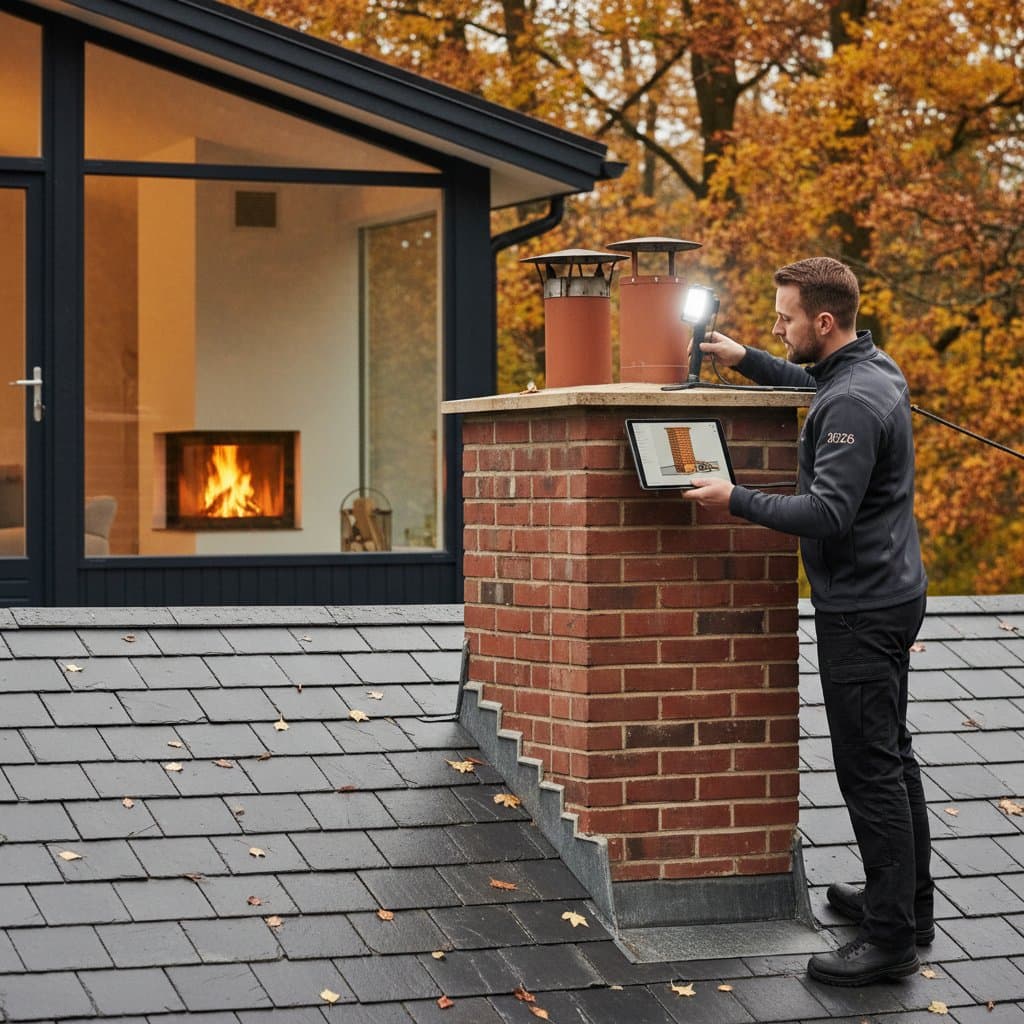
Inspectors typically assess the flue, damper, smoke chamber, and firebox for signs of damage like cracks, obstructions, or creosote deposits. They evaluate airflow efficiency and verify the security of the chimney cap. This thorough process ensures the entire system operates without hidden vulnerabilities.
Inspections fall into three levels, each suited to specific scenarios and carrying distinct pricing:
- Level 1 Inspection. Perform this visual examination annually or when no changes or issues affect the system. Technicians use flashlights and basic tools to review visible chimney and fireplace areas.
- Level 2 Inspection. Opt for this comprehensive review during home sales, after events like lightning strikes, or following chimney fires. It incorporates video scanning to examine concealed areas.
- Level 3 Inspection. Reserve this invasive assessment for suspected structural damage. Technicians may dismantle portions of the chimney to inspect internal conditions fully.
Standard Pricing Breakdown
Expenses depend on factors like geographic location, chimney dimensions, and service depth. A Level 1 inspection generally costs between $150 and $250. Adding cleaning services brings the total to approximately $300. Level 2 services range from $250 to $500, with video scanning influencing the higher end. Level 3 evaluations often surpass $1,000, accounting for intensive labor and potential disassembly.
Professionals frequently note that bundling inspection and cleaning during one appointment yields about 20 percent savings over separate visits. Annual membership programs from some providers further reduce costs for routine checks.
Factors Influencing Total Costs
Multiple elements determine the final bill:
- Access Challenges. Steep roofs or those needing specialized ladders incur additional fees for safety gear and time.
- Chimney Dimensions and Configuration. Taller structures or multiple flues demand extended effort for complete coverage.
- Liner Condition. Aging clay tiles or compromised stainless steel linings require detailed scrutiny, potentially raising expenses.
- Local Market Rates. Higher insurance and operational costs in cities lead to elevated pricing compared to rural settings.
For instance, urban residents might face 30 percent more charges than those in quieter areas for identical services.
Weighing DIY Options Against Professional Services
While some attempt self-inspections with flashlights or smartphone cameras, these methods fail to detect concealed threats like internal cracks or blockages. Certified technicians employ advanced equipment, including rotary brushes, video endoscopes, and draft gauges, to uncover issues beyond surface view.
Professional reports also support insurance processes or real estate transactions. If pursuing a basic DIY check, focus solely on verifying damper functionality and scanning for obvious debris, nests, or fractures. Delegate thorough internal evaluations and cleanings to experts.
Steps to Prepare for Your Inspection
Facilitate efficiency by clearing logs, ashes, and hearth decorations from the fireplace area. Maintain a five-foot clearance around the space for tool setup. Secure pets in a separate room to avoid disruptions.
Request a walkthrough of the procedure upon arrival and insist on a detailed written summary post-visit. Experts advise booking in early fall, prior to peak fireplace season, to secure availability amid rising demand.
Long-Term Financial Benefits of Routine Inspections
Proactive checks avert substantial future outlays. Untreated flue fissures allow water penetration, eroding masonry over time. Accumulated creosote heightens fire dangers while impairing heat efficiency.
The Chimney Safety Institute of America reports that consistent upkeep can prolong chimney longevity by up to 10 years and cut energy loss by nearly 30 percent. Enhanced flues promote stronger drafts, enabling cleaner burns with minimal indoor smoke.
Strategies to Minimize Ongoing Risks
Post-inspection, consult your technician on ideal cleaning intervals, typically after 60 to 80 fires or at season's end. Affix a chimney cap if absent to block precipitation and wildlife entry.
Safeguarding Your Chimney's Performance
View your chimney as an integral component of home protection against heat, emissions, and environmental wear. Integrate inspections into fall routines, document service histories, and engage qualified specialists for complex tasks to maintain reliability and safety.