Prevent AC Breakdowns with a Comprehensive Summer Preparation Checklist
Air conditioners face their greatest demands during peak summer heat. Systems often fail at inopportune moments, causing discomfort and high repair expenses. Proactive preparation identifies minor problems early, stabilizes energy consumption, and improves indoor air quality.
This guide outlines essential steps for homeowners to complete before temperatures rise. It includes inspections, cleaning techniques, and maintenance tasks that prolong system durability. Following these measures ensures reliable cooling and minimizes surprise disruptions.
Step 1: Conduct Power and Safety Inspections
Shut off power to the air conditioner at the main breaker or service panel before any work begins. This precaution prevents electrical shocks and avoids short circuits. Examine wiring and connections for signs of deterioration, such as frayed insulation or loose terminals.
Rodents or insects may damage wires over winter months. If damage appears, hire a certified technician immediately. Temporary repairs like tape fail under heat and operational stress.
Safety Tip: Refrain from directing water toward electrical panels or wiring. Disconnect power prior to cleaning or inspecting components.
Step 2: Clean and Replace Air Filters
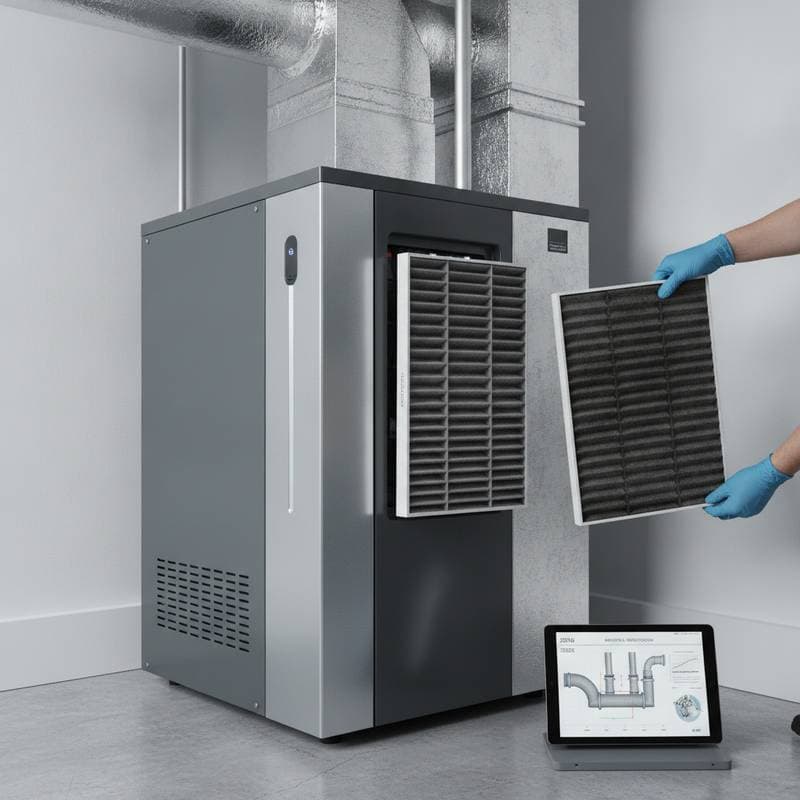
Air filters trap dust, pollen, and debris to protect system components. Clogged filters restrict airflow, force the unit to work harder, and increase energy use. Inspect filters monthly during summer and replace them every one to three months, depending on usage and air quality.
Locate filters in the return air duct or near the indoor unit. Remove them, vacuum loose particles, and install new ones with the arrow pointing toward airflow direction. High-efficiency filters capture more contaminants but require more frequent changes to avoid restricting air movement.
Suggested Image: A close-up of a clean air filter being installed in an HVAC unit, labeled “Replacing air filter for optimal airflow.”
Step 3: Inspect and Clean the Outdoor Condenser Unit
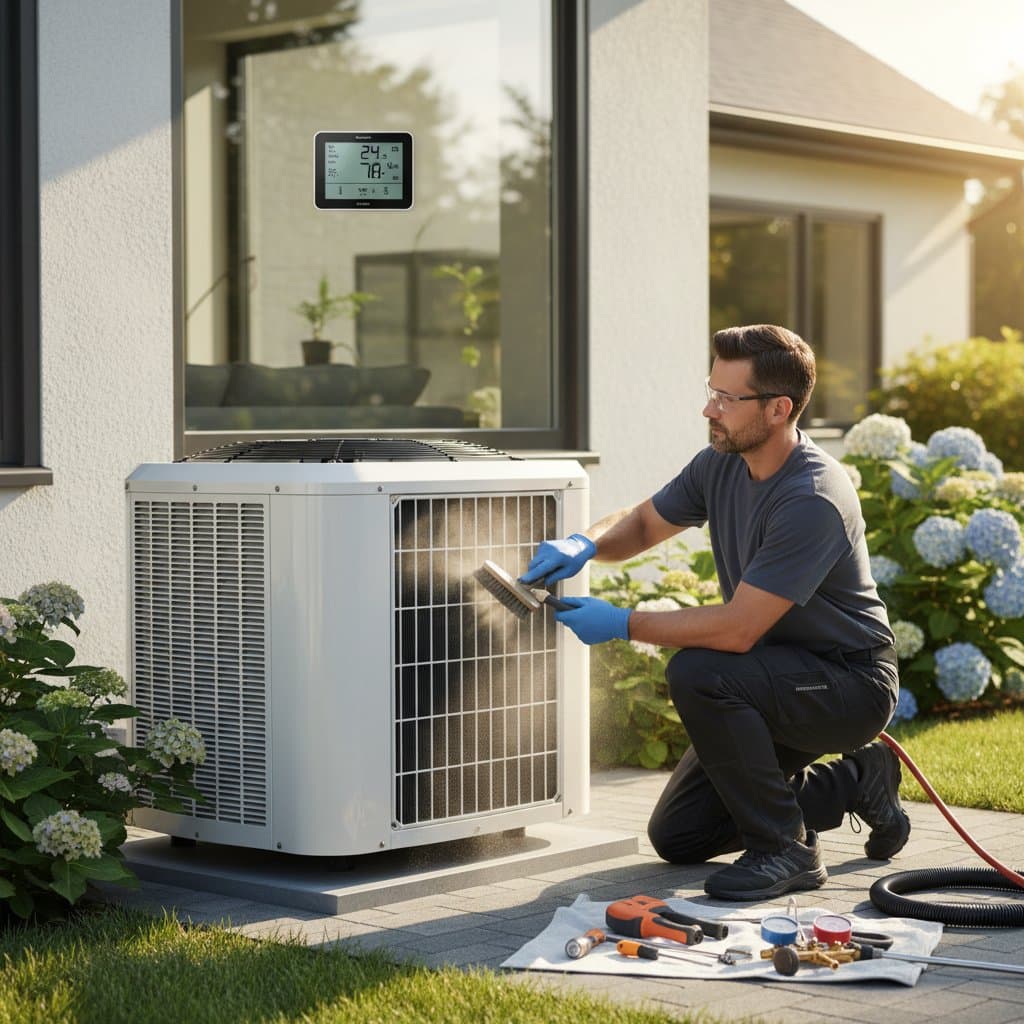
The outdoor condenser expels heat from indoor air. Accumulated leaves, grass clippings, and dirt obstruct coil airflow. Maintain a two-foot clearance around all sides of the unit and trim nearby vegetation to prevent obstruction.
Remove debris from the base, then rinse the fins with a low-pressure water hose. High-pressure streams bend delicate fins, reducing efficiency. Use a fin comb to gently straighten any bent sections, available at hardware stores.
Verify the unit remains level on its foundation. Uneven settling strains refrigerant lines and impairs compressor lubrication. Adjust with shims if necessary to restore balance.
Suggested Image: A pristine outdoor AC condenser amid cleared landscaping, labeled “Ensuring clear airflow around condenser unit.”
Step 4: Clean Indoor Evaporator Coils
Evaporator coils inside the home absorb heat from indoor air. Dirt buildup on these coils insulates them, hindering heat transfer and causing the system to overwork. Access coils through the indoor unit panel after powering off the system.
Apply a no-rinse coil cleaner spray, following product instructions, to dissolve grime. Allow time for the cleaner to penetrate, then resume power to let the fan dry the coils. Severe buildup may require professional attention to avoid damaging delicate fins.
Regular cleaning maintains cooling capacity and prevents mold growth in humid environments. Schedule this task annually or as needed based on visible dust accumulation.
Step 5: Examine Thermostat Functionality and Settings
The thermostat regulates system operation and influences energy savings. Lower the setpoint a few degrees below current room temperature to test response; the unit should activate promptly. If no response occurs, replace batteries or inspect wiring connections.
For programmable models, confirm schedules align with daily routines, such as raising temperatures during absences. Update smart thermostat applications and verify stable Wi-Fi links for remote control features.
Accurate settings optimize comfort while minimizing runtime. Consider upgrading to a model with energy-saving algorithms if the current one lacks modern capabilities.
Suggested Image: A person calibrating a digital thermostat on a wall, labeled “Adjusting thermostat for energy-efficient summer operation.”
Step 6: Inspect Ductwork and Refrigerant Lines
Ducts distribute cooled air throughout the home, while refrigerant lines transport coolant between components. Leaks or loose joints in ducts reduce efficiency and strain the system. Visually check accessible ducts for gaps, dents, or insulation wear; seal minor issues with mastic or foil tape.
Examine refrigerant lines for oil spots, corrosion, or insulation damage, indicating potential leaks. Frost on lines during operation signals low refrigerant levels. These issues demand professional diagnosis and repair to comply with environmental regulations.
Proper duct sealing and line integrity prevent energy loss and ensure even cooling. Document any concerns for discussion during a service visit.
Step 7: Evaluate Airflow and Ventilation
With filters and ducts addressed, activate the system to assess airflow from vents. Inadequate flow suggests blockages or motor issues. Remove vent covers, vacuum interior dust, and reposition furniture or drapes that impede circulation.
Even temperatures across rooms rely on balanced airflow. Access duct dampers to adjust flow distribution if certain areas remain warmer. Label damper settings for consistent future use.
Real-World Tip: Many homeowners resolve uneven cooling through basic vent adjustments, avoiding unnecessary service calls as shared in online forums.
Step 8: Inspect Drainage System
Condensate drains remove moisture collected during cooling. Clogged drains cause water backups, leading to leaks or system shutdowns. Locate the drain line near the indoor unit and flush it with a vinegar-water solution to clear algae and debris.
Install a drain pan under the unit if prone to overflows, and consider adding a float switch for automatic shutoff. Monitor for standing water during operation to catch issues early.
Clear drains maintain humidity control and protect structural elements from water damage. Perform this check at the start of cooling season.
Step 9: Lubricate Components and Examine Belts
Belts and bearings in certain systems require periodic lubrication to minimize friction. Unlubricated parts produce noise and shorten motor lifespan. Apply manufacturer-recommended lubricant sparingly to accessible points, following unit guidelines.
Check belts for fraying, cracking, or slack tension; replace worn ones to prevent slippage. Tight belts strain motors, while loose ones reduce fan speed.
These actions ensure smooth operation during extended use. They also decrease electrical consumption in aging equipment.
Step 10: Verify Electrical Components
Capacitors and relays support motor startups and system controls. Failing components cause delayed starts or complete failures. Listen for humming without fan movement, a common capacitor issue, and note any burning odors.
Test continuity with a multimeter if experienced, but defer complex diagnostics to professionals. Replace faulty parts promptly to avoid compressor damage from overload.
Routine electrical checks enhance reliability and prevent cascading failures in hot weather.
Step 11: Arrange a Professional Inspection
DIY efforts provide a strong foundation, yet expert evaluation uncovers hidden issues. Technicians measure refrigerant levels, assess electrical integrity, and clean inaccessible areas using precise instruments.
Opt for services offering detailed reports and maintenance contracts with perks like expedited repairs. Select providers based on verified reviews and local recommendations; insist on transparent explanations and documented quotes.
Annual tune-ups extend system longevity and optimize performance for summer demands.
Suggested Image: A technician measuring pressure on an AC unit, labeled “Conducting professional system tune-up.”
Maintenance Expenses and Financial Planning
Routine upkeep expenses differ by location and equipment scale, yet they pale compared to crisis interventions. Basic inspections and cleanings equate to modest outings, whereas major fixes like compressor replacements escalate quickly. Allocate a dedicated summer fund to cover these essentials without strain.
Suggested Chart: Bar graph contrasting typical preventive maintenance costs against emergency repair averages.
Self-performed tasks, including filter swaps and surface cleaning, incur minimal outlay. Acquire durable tools like fin combs and cleaners for repeated use. Delegate refrigerant handling or electrical repairs to experts to mitigate hazards and ensure compliance.
Frequently Asked Questions on AC Summer Preparation
How frequently should air filters change?
Replace standard filters every one to three months during cooling season, or more often in dusty or pet-heavy homes. High-MERV filters may need monthly swaps to sustain airflow.
What signs indicate a refrigerant leak?
Watch for warm air output, hissing sounds, or ice on coils. Higher utility bills without increased use also suggest leaks; professionals must recharge systems legally.
Can I perform all maintenance myself?
Handle basic tasks like cleaning and filter replacement if comfortable with tools. Complex work, including electrical or refrigerant service, requires certified technicians for safety and warranty preservation.
How does maintenance affect energy bills?
Clean systems operate up to 15 percent more efficiently, trimming monthly costs. Improved airflow and component function reduce runtime needed for comfort.