Timing Your Fall HVAC Filter Replacement for Efficiency and Clean Air
As temperatures drop and heating systems activate, maintaining your HVAC filters becomes essential for optimal performance. Dust and allergens accumulated during warmer months can clog filters, forcing your system to work harder and increasing energy consumption. By replacing filters at the right time in fall, homeowners achieve better airflow, reduced utility bills, and improved indoor air quality.
This article provides a comprehensive guide to filter replacement, including selection criteria, warning signs, and maintenance strategies. Readers gain practical knowledge to implement changes that support long-term system health and household comfort.
Selecting the Right Filter: Ratings and Materials Explained
HVAC filters vary in construction and efficiency, with the MERV rating serving as the primary indicator of performance. This value, ranging from 1 to 20, measures a filter's ability to capture particles of different sizes, from large dust to microscopic contaminants.
Consider these categories when choosing a filter:
-
MERV 1-4: These fiberglass options capture basic debris like carpet fibers. They suit budget-conscious setups or systems with limited airflow capacity.
-
MERV 5-8: Pleated designs in this range trap household dust, pollen, and pet dander effectively. Most residential systems handle them without issue, providing a solid everyday choice.
-
MERV 9-12: Ideal for allergy sufferers, these filters remove finer particles such as mold spores and bacteria. They maintain strong airflow while enhancing air purity.
-
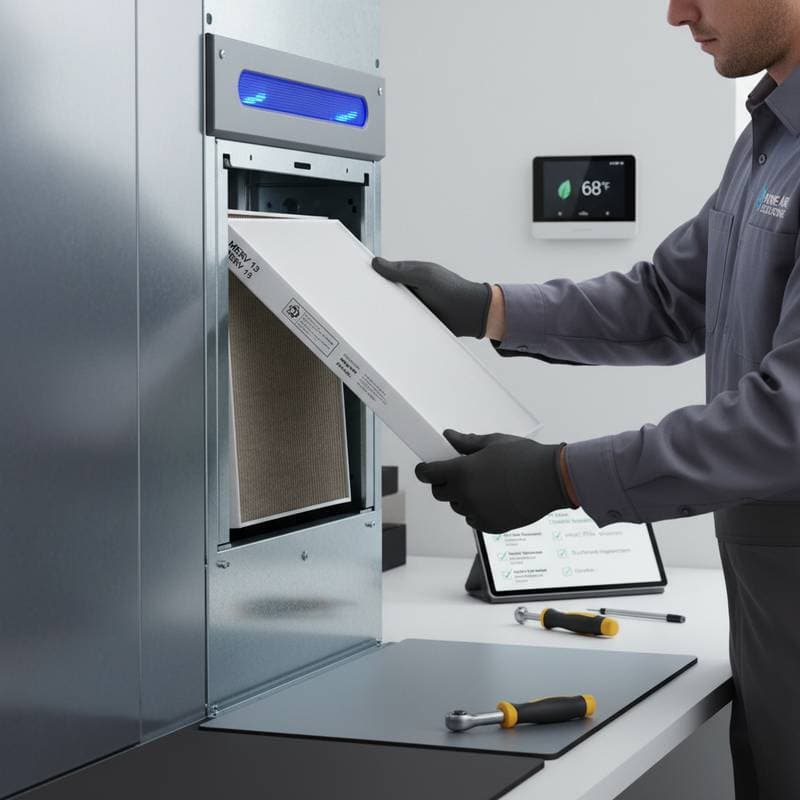
MERV 13+: Advanced filters target viruses, smoke, and ultrafine particles. Professional assessment ensures compatibility, as they demand more powerful fans.
For standard homes, a MERV 8 filter strikes an optimal balance between filtration and system efficiency. Consult your HVAC manual or a technician to confirm the best fit for your unit.
Recognizing When to Replace Filters Promptly
Scheduled replacements prevent issues, but early intervention addresses unexpected clogs. Monitor your system for indicators that demand immediate action, ensuring uninterrupted operation during peak heating periods.
Key signs include:
-
Accumulation of dust on surfaces near vents, despite regular cleaning efforts.
-
Reduced air output from registers, felt as weaker streams during operation.
-
Discoloration or heavy soiling on the filter when inspected.
-
Extended run times for heating cycles, leading to uneven temperatures.
-
Unexpected spikes in energy bills, absent other usage changes.
If multiple symptoms appear, inspect and replace the filter without delay. Regular checks, performed monthly, help catch problems before they escalate.
Key Advantages of Regular Filter Maintenance
Timely filter changes yield measurable improvements in home environment and finances. Clean filters facilitate smooth operation, minimizing wear on components and extending equipment longevity.
Specific benefits encompass:
-
Enhanced air quality through removal of airborne irritants like pollen and smoke.
-
Decreased energy demands, as unrestricted airflow lowers resistance on the blower motor.
-
Prolonged system durability by limiting internal dust buildup in coils and ducts.
-
Reduced health risks, particularly for individuals with respiratory conditions.
-
Maintained cleanliness throughout the living space, cutting down on dusting frequency.
Over a heating season, these advantages translate to substantial savings and comfort gains, making maintenance a worthwhile priority.
Budgeting for Filters: Costs and Savings Strategies
Filter expenses depend on type, size, and purchase method, but strategic planning keeps costs manageable. Basic models remain affordable, while premium options justify their price through efficiency gains.
Breakdown for common household filters:
-
Fiberglass varieties: Approximately one dollar per unit, suitable for monthly swaps in high-dust environments.
-
Pleated filters: Around ten dollars each, lasting up to two months with moderate use.
-
High-efficiency selections: Twenty to thirty dollars per filter, replaced biannually for maximum protection.
Purchase in bulk or through subscription services to reduce per-unit pricing. Track annual outlays against energy savings, which often exceed replacement costs by a significant margin.
A bar chart illustrating yearly expenses by filter type can aid visualization: fiberglass at under fifteen dollars, pleated at sixty dollars, and high-efficiency at around fifty dollars, highlighting value across options.
Insights from Professionals and Homeowners
Experts emphasize that neglected filters account for a large portion of HVAC service calls. Technicians report that restricted airflow accelerates component failure, potentially shortening furnace life by years.
Homeowners echo these findings in online discussions. One user noted a fifteen percent drop in heating bills after adopting quarterly pleated filter replacements. Another described improved system quietness and fewer allergy flare-ups following the switch to MERV 9 filters.
Such testimonials align with industry data, underscoring the reliability of consistent maintenance. Professionals recommend documenting replacement dates to track patterns and optimize schedules.
Implementing Your Filter Replacement Routine
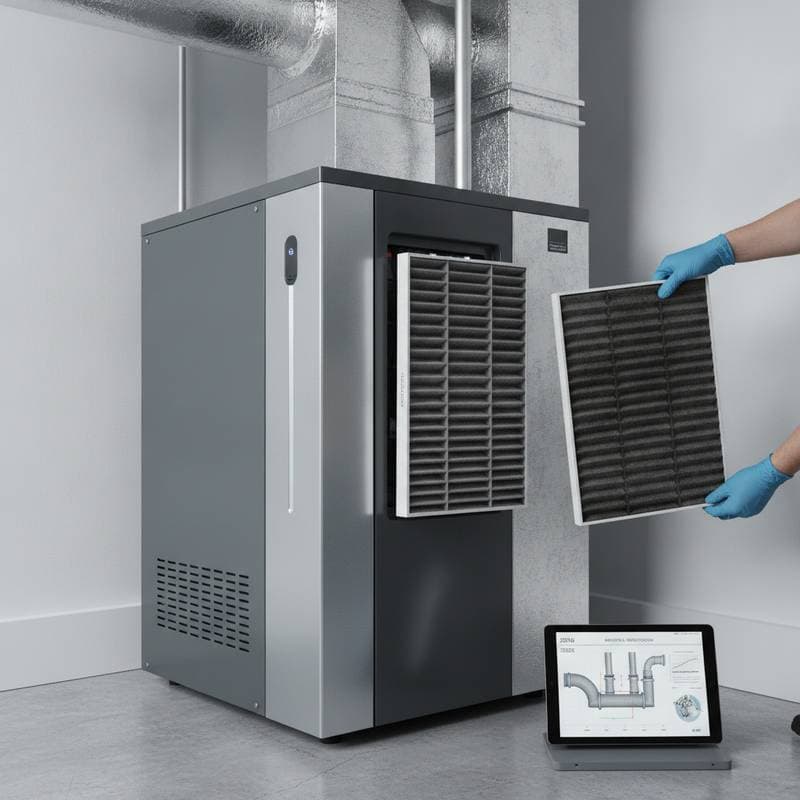
Establishing a routine begins with locating your HVAC unit and identifying the filter slot, typically near the return air duct or furnace. Gather tools like a screwdriver if needed, and select filters matching your system's dimensions, found on the existing unit or in the manual.
Follow these steps for replacement:
-
Turn off the HVAC system at the thermostat and power source for safety.
-
Remove the old filter, noting its orientation—airflow arrows point toward the blower.
-
Inspect the housing for debris and clean if necessary.
-
Insert the new filter, ensuring a secure fit without gaps.
-
Restore power and test airflow from vents.
Schedule initial fall changes for mid-September, aligning with heating startup. Stock spares in a accessible spot, and integrate reminders into your calendar or home app for seamless adherence.
Sustaining Long-Term HVAC Health
Beyond filters, holistic care amplifies benefits. Annual professional inspections address deeper issues like duct leaks or coil dirt, complementing DIY efforts.
Homeowners who combine filter diligence with these practices report sustained efficiency and minimal disruptions. This approach not only controls costs but fosters a healthier, more comfortable living environment year-round.