Establish Superior Indoor Air: Your Fall HVAC Filter Schedule
Indoor air quality typically declines with seasonal transitions, particularly in autumn. Dust, pollen, and pet dander increase in circulation once windows seal shut and heating systems activate. A structured HVAC filter schedule maintains clean air, safeguards equipment, and lowers energy expenses. Numerous homeowners neglect this essential practice, yet the selection of filter and frequency of replacement influence comfort and health profoundly.
This guide delineates the creation of a fall HVAC filter schedule customized to residential requirements. It addresses filter varieties, upkeep intervals, and concrete measures to sustain system efficiency. Individuals who perform filter replacements independently or engage professionals benefit from this approach, which averts typical problems prior to their emergence.
Decode Filter Ratings and Construction
Filters differ significantly in performance. The primary distinguisher is the MERV rating, an acronym for Minimum Efficiency Reporting Value, which quantifies the capture of particles across size variations.
Prevalent MERV Categories
- MERV 1-4: Fundamental fiberglass variants excel at intercepting large dust and lint particles. These suit intermittent application or areas with minimal activity.
- MERV 5-8: Pleated configurations ensnare finer elements such as mold spores and pet dander. These prove appropriate for standard households.
- MERV 9-12: Elevated-efficiency options feature denser weaves, proficient against subtle dust and smoke. Families contending with allergies find these optimal.
- MERV 13-16: Sophisticated variants, common in medical or commercial settings, eliminate bacteria, smoke, and minute contaminants. However, these may impede airflow unless aligned with system capabilities.
Filter Compositions
- Fiberglass: Economical and single-use, these provide basic filtration levels.
- Pleated polyester or cotton: These strike a balance between expense and efficacy, capturing diminutive particles while enduring extended periods.
- Electrostatic: These employ static electricity to draw dust, with washable models permitting reuse.
- HEPA-grade: Exceptionally compact, these frequently integrate into dedicated air purifiers rather than conventional HVAC setups.
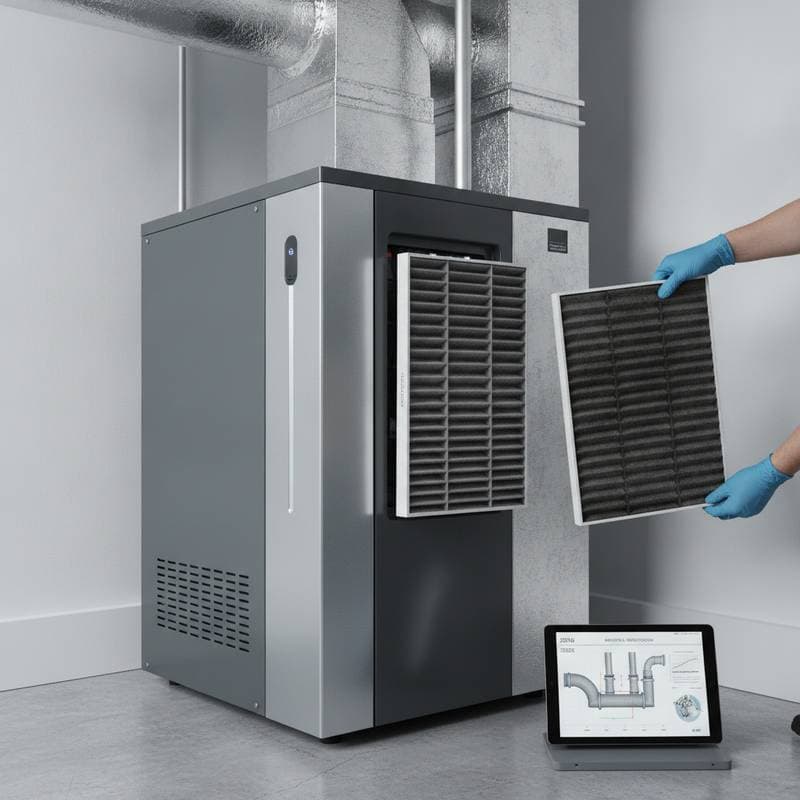
Selection of an appropriate filter involves aligning capabilities with household dynamics. Elevated MERV ratings enhance air purity, though they risk diminishing airflow in aged systems. Consult the equipment manual or solicit advice from a licensed HVAC specialist if uncertainty persists.
Analyze Expenses and Formulate Budgets
Expenses for filters fluctuate based on category and manufacturer. Below appears an overview for common home installations:
| Filter Type | Average Cost per Unit | Replacement Interval | Yearly Expense Projection |
|---|---|---|---|
| Fiberglass | $2-$5 | Monthly | $24-$60 |
| Pleated | $10-$20 | Every 2 months | $60-$120 |
| Electrostatic (washable) | $40-$80 | Clean monthly | $40-$80 initial |
| High-efficiency | $25-$50 | Every 3 months | $100-$200 |
Premium filters demand greater initial investment, yet they frequently curtail energy statements by optimizing airflow. A obstructed filter elevates heating and cooling expenditures by as much as 15 percent. Across an entire season, such variances accumulate substantially.
To maximize savings, procure filters in bulk from reliable suppliers. Track purchases in a dedicated ledger to monitor trends and anticipate needs. This practice not only controls costs but also ensures availability during peak seasonal demands.
Recognize When Professional Intervention Becomes Necessary
Certain indicators signal the need for an HVAC expert:
- Sudden elevations in utility bills without evident cause.
- Reduced airflow persisting post-filter exchange.
- Accumulation of dust near outlets despite routine cleansing.
- Enduring scents or excessive moisture.
- Unusual sounds or frequent on-off cycles.
Experts examine duct systems, evaluate blower mechanisms, and assess pressure levels. They confirm filter compatibility with hardware specifications. For aging apparatus or those under guarantee, routine servicing upholds standards and prolongs durability.
Standard evaluations cost between $100 and $200, with supplementary fees for component repairs. Various providers propose autumnal packages encompassing filter swaps, evaporator coil sanitation, and operational assessments. These bundles conserve effort and prolong equipment viability.
Schedule inspections biannually, aligning with spring and fall transitions. Document service records meticulously to support warranty claims and inform future decisions.
Implement Intelligent Scheduling and Automation
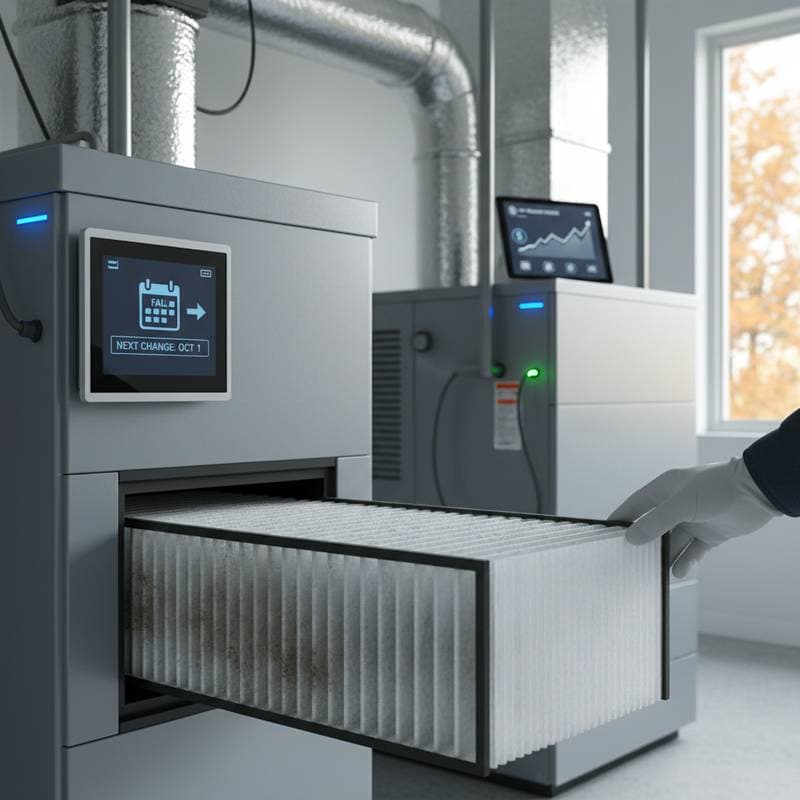
Contemporary thermostats and HVAC applications streamline filter oversight. Intelligent devices log operational hours over calendar days, issuing notifications upon replacement necessity. Certain units gauge airflow impedance to identify blockages promptly.
Frequent travelers or overseers of several dwellings gain from automated notifications that thwart oversight. Compatible brands include Honeywell, Ecobee, and Nest, which synchronize with diverse HVAC configurations. Integrate alerts into electronic planners for streamlined task management.
To initiate, download manufacturer applications and configure profiles reflecting home size, occupancy, and pet presence. Test reminder functions during initial setup to verify reliability. This integration transforms maintenance from a chore into a seamless routine.
Avert Subsequent Complications
A meticulously designed schedule extends beyond air purification. It preserves capital outlay, diminishes utility charges, and forestalls expensive malfunctions. Residents adhering to steady filter protocols experience reduced urgent interventions and extended equipment endurance. Consistent care further secures warranty validity, as producers often mandate proof of upkeep.
For those challenged by tracking, affix the schedule adjacent to the thermostat. Detail filter specifications, interval durations, and recent modification dates. In scenarios involving leased dwellings or secondary residences, maintain records in collaborative files for effortless retrieval.
When home atmosphere remains invigorating and the system operates silently, the regimen succeeds. Pristine filters foster enhanced respiration, stable climates, and assurance across seasons. Dedication to a fall HVAC filter schedule cultivates a habitat promoting wellness and ease well beyond autumn's foliage descent.
Maintain Lasting Comfort and Efficiency
Sustained adherence to this schedule yields compounding advantages. Energy conservation translates to environmental contributions, while superior air quality bolsters family health. Revisit the plan annually, adjusting for evolving household needs or system upgrades. This proactive stance ensures your HVAC investment delivers optimal returns for years ahead.