Navigating the 2026 HVAC Filter Standards: Essential Changes for Homeowners
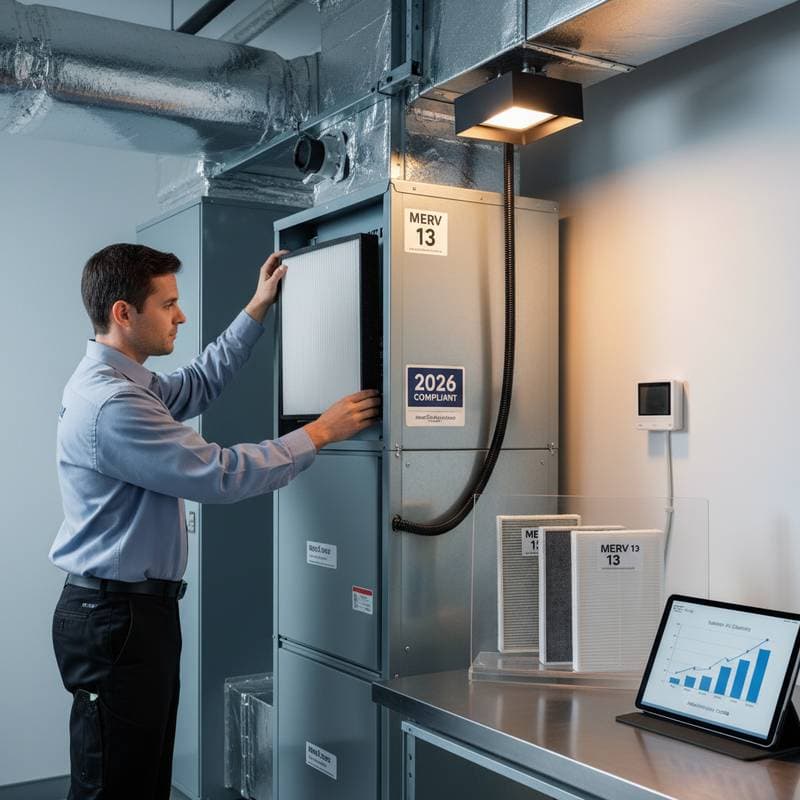
The year 2026 marks a significant shift in heating, ventilation, and air conditioning regulations across the United States. Federal standards will mandate higher minimum efficiency ratings for HVAC filters, specifically elevating the required Minimum Efficiency Reporting Value from the current baseline to at least MERV 13 in most residential and commercial settings. This update aims to enhance indoor air quality amid growing concerns over allergens, pollutants, and respiratory health.
Homeowners face both opportunities and challenges with these impending rules. Systems designed for lower-rated filters may require adjustments, while the push for superior filtration promises cleaner air and potential energy savings. Understanding these changes now allows for proactive planning to avoid disruptions.
Understanding MERV Ratings and the New Standards
MERV ratings measure a filter's ability to capture particles of varying sizes, ranging from 1 to 20, with higher numbers indicating better performance. Current standards often permit MERV 8 filters, which trap larger dust and debris but allow finer particles like smoke and bacteria to pass through. Starting in 2026, the Department of Energy will enforce a minimum MERV 13 requirement for new installations and replacements in standard HVAC units.
This elevation targets particles as small as 0.3 to 1.0 microns, including mold spores, pet dander, and fine dust. Filters meeting this standard capture up to 90 percent of such contaminants, compared to 50 percent or less with lower ratings. The change aligns with recommendations from health organizations emphasizing the role of HVAC systems in reducing airborne irritants.
Compliance extends beyond new builds; existing systems must upgrade during routine maintenance cycles. Non-adherence could result in fines for property managers or reduced system warranties for homeowners. Early awareness helps in selecting compatible filters without overhauling entire units.
Impacts on HVAC System Performance and Maintenance
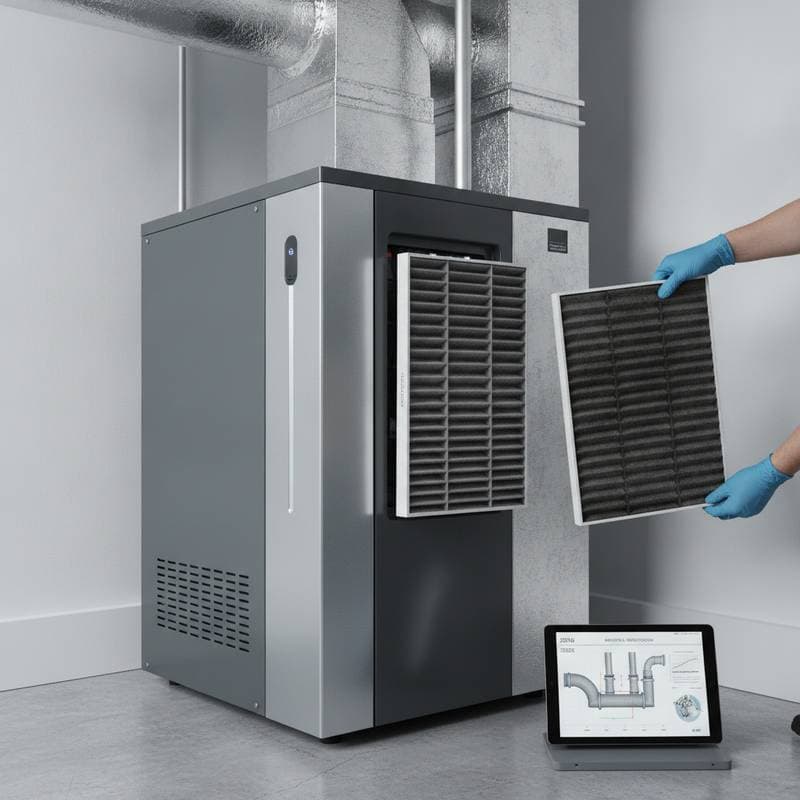
Higher MERV filters introduce denser materials that restrict airflow more than their predecessors. This restriction demands careful system calibration to prevent strain on blowers and motors, which could otherwise lead to premature wear. Technicians report that unadjusted systems using MERV 13 filters experience up to 20 percent higher energy consumption if airflow drops below optimal levels.
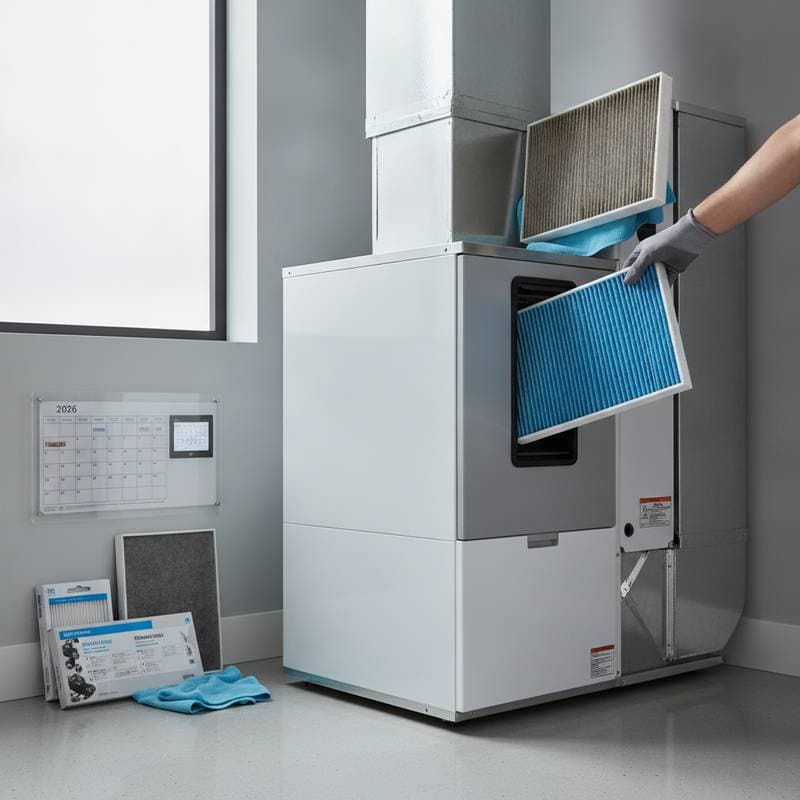
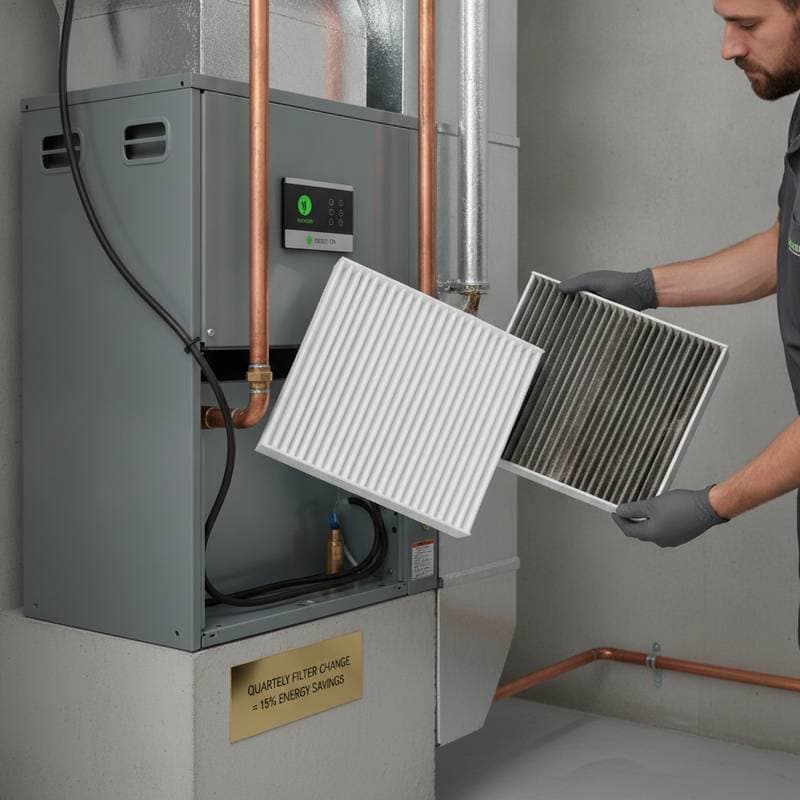
Maintenance routines will intensify under the new rules. Filters now require replacement every one to three months, depending on household occupancy and environmental factors, rather than the previous six-month interval. Neglect increases the risk of coil fouling and duct contamination, compounding repair costs over time.
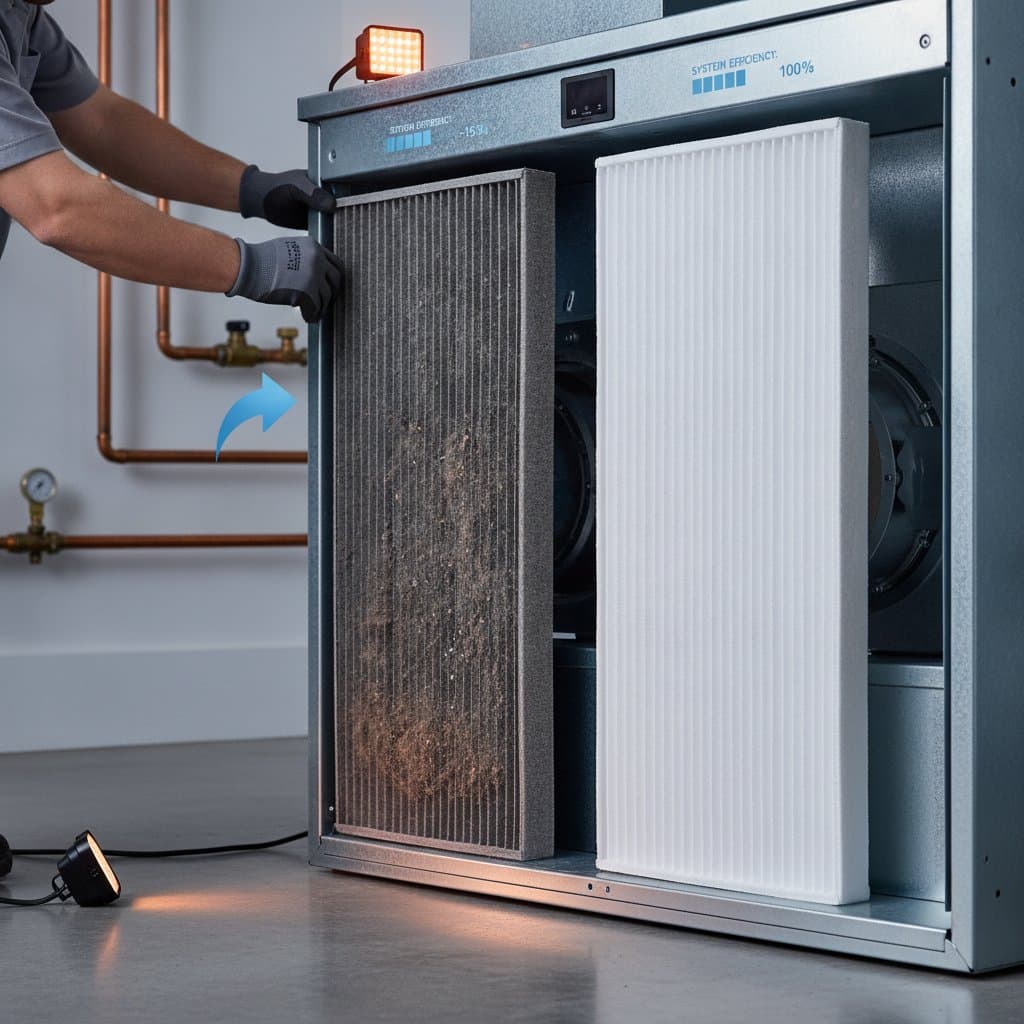
On the positive side, superior filtration extends the lifespan of HVAC components by minimizing debris buildup. Clean coils and fans operate more efficiently, potentially lowering long-term energy bills by 10 to 15 percent. Homeowners benefit from fewer service calls and a more reliable climate control system.
Effects on Indoor Air Quality and Health
The core driver behind these standards is improving occupant well-being. Poor air quality contributes to asthma exacerbations, allergies, and fatigue, particularly in sealed modern homes. MERV 13 filters excel at removing volatile organic compounds and ultrafine particles from sources like cooking, cleaning products, and outdoor pollution.
Studies indicate that upgrading to higher-efficiency filters reduces indoor particulate matter by 70 percent within weeks of installation. This improvement proves especially valuable for families with young children, elderly members, or individuals with compromised immune systems. Cleaner air fosters better sleep, productivity, and overall comfort.
Beyond health, these filters enhance property value. Prospective buyers increasingly prioritize air purification features, viewing them as modern necessities. Compliance positions homes as health-conscious environments in competitive real estate markets.
Financial Considerations and Budgeting for Upgrades
Initial costs represent the most immediate concern for many. A pack of MERV 13 filters averages 50 to 100 dollars for four units, doubling the price of standard options. Professional installation or system modifications, if needed, add 200 to 500 dollars per visit.
Energy efficiency gains offset these expenses gradually. Systems with optimized high-MERV filters consume less power for the same cooling or heating output, yielding annual savings of 100 to 300 dollars on utility statements. Tax credits under existing energy programs may further reduce outlays for qualifying upgrades.
Budgeting involves assessing current equipment. Older units from before 2010 often lack the capacity for dense filters without retrofits, such as variable-speed blowers costing 1,000 to 3,000 dollars. Consulting a certified HVAC specialist provides a customized cost analysis tailored to specific home layouts and usage patterns.
Steps to Prepare Your HVAC System for 2026 Compliance
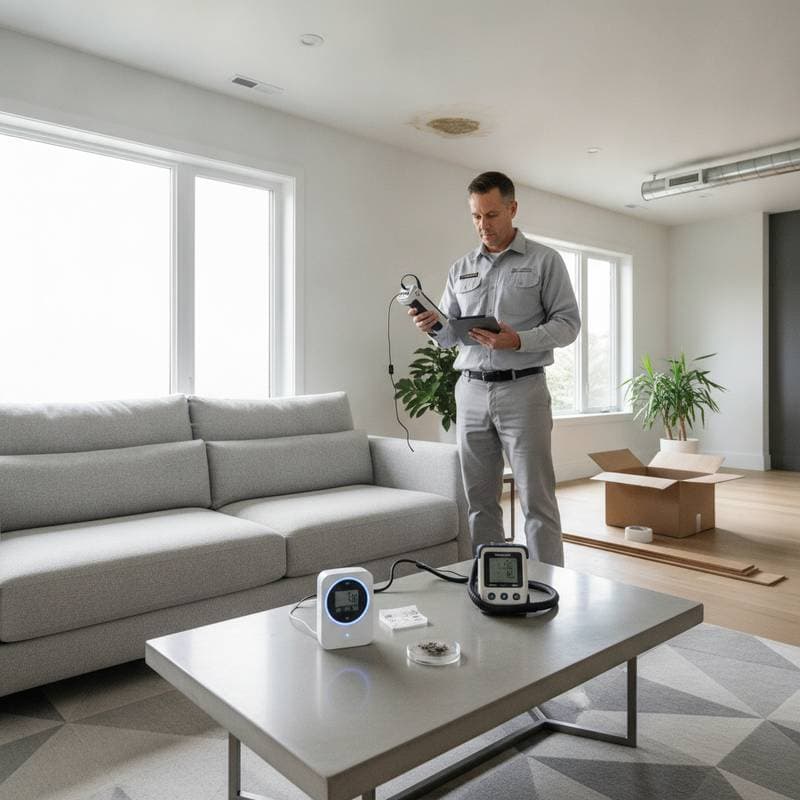
Preparation begins with a professional inspection scheduled six to twelve months ahead. Technicians evaluate airflow capacity, duct integrity, and filter housing compatibility to recommend suitable upgrades. Addressing issues early prevents emergency replacements during peak seasons.
-
Select filters from reputable manufacturers certified to meet or exceed MERV 13 standards. Verify sizing matches your unit's specifications to ensure a secure fit.
-
Install a filter pressure gauge or smart monitor to track airflow changes. These devices alert when replacement becomes necessary, optimizing performance and longevity.
-
Adjust thermostat settings and blower speeds as advised. Many modern systems feature programmable controls that adapt automatically to filter resistance.
-
Integrate regular cleaning protocols for registers and coils. Vacuuming ducts annually removes accumulated particles, complementing the filter's work.
-
Explore whole-home solutions like UV lights or air purifiers for enhanced protection. These additions amplify filtration without solely relying on the HVAC core.
-
Document all maintenance records. Compliance audits may require proof of adherence, safeguarding warranties and insurance claims.
Following these steps minimizes disruptions and maximizes returns on investment.
Long-Term Benefits of Embracing Higher Standards
Adopting the 2026 standards transforms HVAC management from a reactive chore into a strategic asset. Homeowners enjoy sustained air purity that supports daily health and reduces medical expenses related to poor indoor environments. Systems run smoother, with fewer breakdowns and lower operational costs over decades.
These regulations encourage innovation in filter technology, promising even more efficient options in the coming years. Staying ahead positions individuals not just in compliance, but as leaders in creating healthier living spaces. The investment in quality air today yields enduring rewards for tomorrow.