Understanding Creosote and Its Formation
Creosote forms as a byproduct when wood burns in a fireplace or wood stove. This sticky, tar-like substance accumulates inside the chimney over time, especially during frequent use in colder months. Factors such as burning unseasoned wood or low-temperature fires accelerate its buildup, creating layers that narrow the flue and restrict airflow.
Homeowners often overlook creosote until problems arise, but regular monitoring prevents escalation. The substance varies in appearance: from soft, flaky residue to hard, glazed deposits that adhere firmly to chimney walls. Awareness of these characteristics empowers individuals to recognize potential issues early.
The Hidden Dangers of Creosote Accumulation
Creosote poses significant fire hazards because it ignites at relatively low temperatures, around 450 degrees Fahrenheit. A small spark or hot embers can trigger a chimney fire, which spreads rapidly through the flue and potentially into the home structure. Such incidents cause thousands of house fires annually, leading to property damage and endangering lives.
Beyond immediate fire risks, creosote contributes to carbon monoxide buildup. When the chimney becomes blocked, toxic gases cannot vent properly, leading to poisoning symptoms like headaches, dizziness, and nausea. Structural damage also occurs as acidic creosote corrodes mortar joints and chimney liners, weakening the entire system over time.
Moisture trapped with creosote exacerbates these problems, promoting rust and deterioration. In severe cases, untreated buildup results in costly repairs or full chimney replacements, far exceeding the expense of preventive maintenance.
Identifying Signs of Creosote Buildup
Visual cues provide early warnings of creosote presence. Dark, sooty stains around the fireplace opening indicate residue escape. A strong, acrid odor during or after burning suggests accumulation within the chimney.
Performance issues signal trouble as well. Reduced draft causes smoke to billow into the room instead of exiting through the flue. Frequent difficulty starting fires or inefficient burning, where wood smolders rather than flames vigorously, points to restricted airflow.
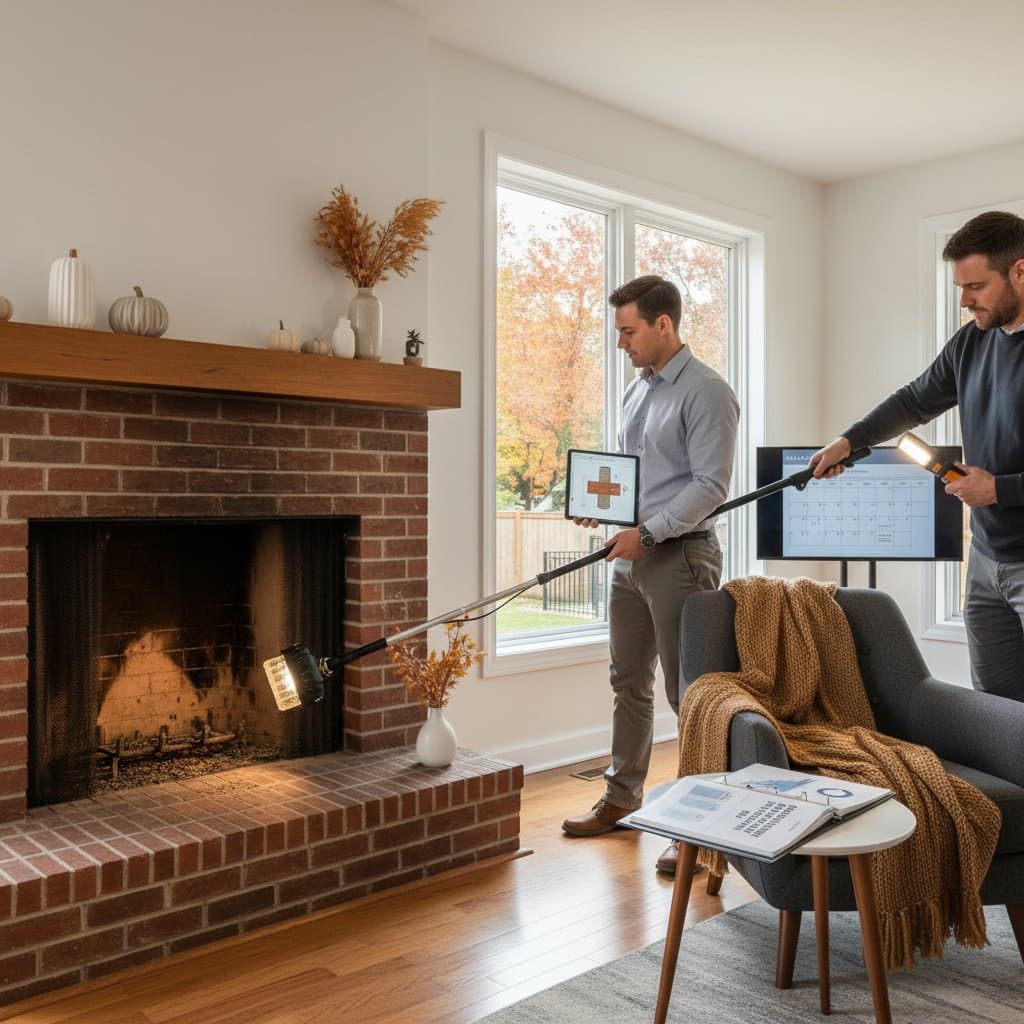
Professional assessment confirms these signs. Experts use tools like chimney cameras to inspect hard-to-reach areas, revealing the extent of buildup without invasive measures.
Why Schedule a Chimney Inspection Before Fall 2026
Fall 2026 marks the start of peak heating season in many regions, increasing chimney usage and fire risks. Scheduling an inspection beforehand allows technicians to address issues during milder weather, avoiding emergency calls amid winter demands.
Annual checks align with safety standards recommended by organizations like the National Fire Protection Association. They detect not only creosote but also cracks, blockages from debris, and animal nests that compound hazards.
Timing the service now ensures compliance with local building codes, which often require certified inspections for insurance purposes. Delaying until after the season begins heightens exposure to preventable dangers.
Step-by-Step Guide to Arranging Your Inspection
-
Research certified chimney sweeps in your area through reputable directories or local hearth associations.
-
Contact at least three professionals for quotes, inquiring about their experience with creosote removal and inspection methods.
-
Select a service that provides detailed reports, including photos of findings and recommendations for repairs.
-
Prepare your home by clearing access to the fireplace and removing any loose items nearby.
-
Follow up on the report by scheduling cleaning if buildup exceeds one-eighth inch, the threshold for safety concerns.
-
Maintain records of the inspection for future reference and insurance claims.
This process typically takes a few hours and costs between 150 and 300 dollars, depending on chimney complexity.
Preventive Measures to Minimize Creosote Risks
Burning seasoned hardwoods, such as oak or maple, reduces creosote production compared to softwoods or green lumber. These fuels burn hotter and cleaner, leaving less residue behind.
Regular cleaning intervals vary by usage: monthly for heavy users, annually for occasional ones. Homeowners can employ chimney brushes for light maintenance, but professionals handle thorough sweeps with specialized vacuums and rods.
Installing a chimney cap prevents water entry and blocks debris, while a liner upgrade protects against corrosion in older homes. These investments extend chimney lifespan and enhance overall safety.
Long-Term Benefits of Proactive Chimney Care
Routine inspections improve heating efficiency by ensuring optimal airflow, which distributes warmth more effectively throughout the home. This leads to lower fuel consumption and reduced energy bills during winter.
Property value benefits from documented maintenance, appealing to buyers concerned about safety features. A well-maintained chimney also avoids unexpected disruptions, allowing families to enjoy cozy evenings without worry.
Ultimately, prioritizing chimney health fosters peace of mind. By addressing creosote and related issues early, homeowners safeguard their loved ones and preserve their homes for generations.
Taking Action for a Safer Heating Season
Contact a certified professional today to book your pre-fall 2026 inspection. This simple step transforms potential hazards into managed routines, ensuring your fireplace delivers reliable warmth and security.