The Role of Seasonal Filter Replacements in Maintaining Clean Indoor Air
Indoor air quality relies on more than sealed windows or standalone purifiers. The HVAC filter serves as the primary defense against pollutants. Regular seasonal replacements provide the most straightforward method to sustain fresh air, optimal airflow, and a healthful living environment. Such practices also shield the system from excess stress, thereby prolonging its operational life and minimizing energy expenditures.
Basics of Air Filter Costs
Air filter prices differ based on type, construction material, and efficiency rating. Standard fiberglass filters typically cost a few dollars each, according to national averages. Pleated or high-efficiency models range up to several dozen dollars per unit. HEPA-grade filters or those targeted at allergen control command higher prices, often multiple times that of basic options.
Location plays a role in pricing variations. In coastal or humid regions, mold-resistant filters incur a modest increase. Arid or dusty areas favor filters with greater dust capacity, which carry a slight additional cost.
Demand surges during peak seasons like summer cooling or winter heating, elevating prices. Suppliers frequently provide discounts during off-peak periods. Broader economic elements, including raw material availability, production expenses, and distribution fees, further shape market rates.
Common Pricing Approaches for Filters
Filters adhere to various pricing frameworks. Individuals may purchase single units for immediate needs. Alternatively, subscription services deliver replacements on predetermined schedules, often at discounted per-unit rates, eliminating the need for manual tracking.
Bulk purchases yield savings for homes with multiple returns. HVAC professionals sometimes bundle filter changes into maintenance plans, merging parts and labor into fixed seasonal or yearly charges.
For smart HVAC setups, filters equipped with sensors for airflow monitoring emerge as options. These involve higher initial costs yet issue notifications when resistance builds, averting potential inefficiencies.
Categories of Filter Services and Associated Costs
Filter maintenance divides into basic, standard, premium, and specialized categories.
Basic category employs fiberglass or simple pleated filters, handled by homeowners. Expenses cover only the filter, fitting within tight budgets.
Standard category utilizes medium-efficiency filters with MERV ratings from 8 to 11, appropriate for typical residences. These options strike a balance between expense and performance, trapping prevalent particles such as pollen and pet dander.
Premium category features advanced filters rated MERV 13 or above, usually installed by experts. Such filters seize finer contaminants like smoke and bacteria, suiting homes with allergy sensitivities.
Specialized category encompasses HEPA units or tailored fits for distinctive systems. These demand significantly more investment than routine choices but offer superior purification levels.
Factors Shaping the Cost of Filter Replacements
Multiple elements dictate the expense of seasonal changes. Home size and configuration determine the quantity required. Expansive properties or zoned systems necessitate simultaneous multiple swaps.
System intricacy influences selections. Units with integrated purifiers or elevated pressure needs demand robust filters, raising costs.
Installation duration impacts professional fees. Standard procedures require mere minutes, whereas inaccessible placements extend labor time.
Material choices span a broad spectrum. Fiberglass proves economical yet brief in duration, whereas synthetic pleats endure longer while preserving airflow.
Optional Enhancements and Extra Fees
Certain owners opt for supplementary services during replacements.
- Duct cleaning clears built-up residues, improving circulation.
- System inspection verifies fan, motor, and coil functionality, mitigating repair risks.
- Air quality assessment detects overlooked contaminants, informing subsequent improvements.
- Rush scheduling accommodates urgent needs for vulnerable residents, incurring premium charges.
Optimal Seasons for Filter Replacements
Seasonal shifts introduce distinct air challenges. Spring pollen surges necessitate fresh starts. Summer demands verify mid-season to sustain performance amid constant operation.
Fall introduces leaf debris and dust, prompting changes before heating cycles. Winter's arid conditions accelerate clogging with sealed interiors. A quarterly rhythm maintains cleanliness and efficiency annually.
Guidance on Replacement Intervals from Experts
Technicians suggest monthly inspections with replacements every one to three months, adjusted for home specifics. Residences with pets, tobacco use, or allergies require accelerated paces.
David Chen, a certified HVAC technician with over a decade of service experience, said that many homeowners underestimate how quickly filters clog during seasonal transitions. He recommends aligning replacements with utility bill cycles to create a consistent habit.
Testing bodies indicate efficiency losses up to 15 percent from clogged filters. Such declines elevate utility costs and burden the blower motor.
Weighing DIY Versus Professional Methods
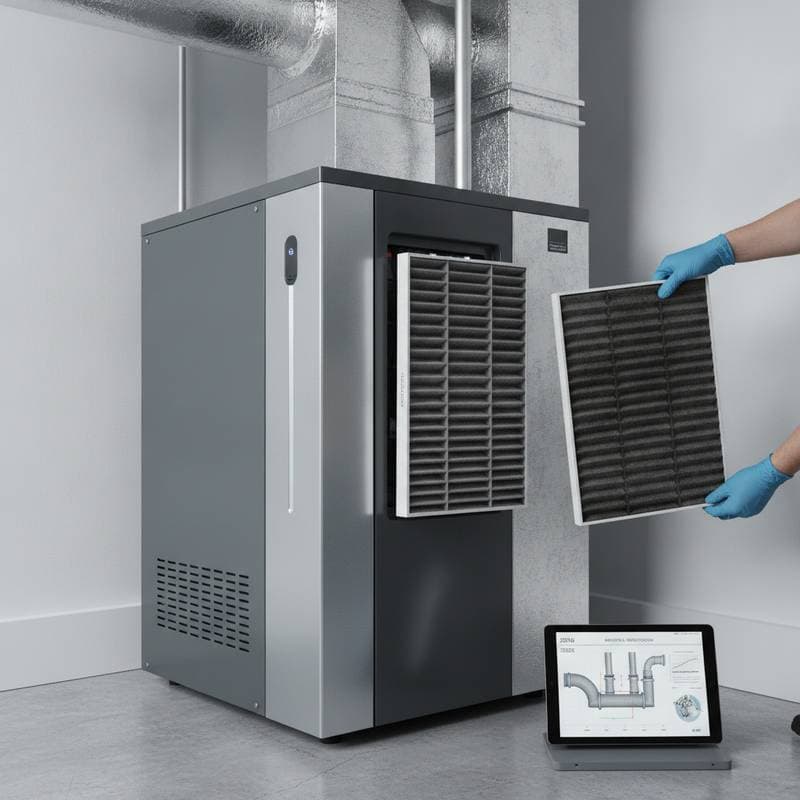
Homeowner-led replacements appeal due to ease and affordability. Most involve powering down the unit and sliding in the new filter. Professionals, however, add value through checks and secure fits, blocking unfiltered air paths.
High-end or bespoke filters often mandate expert handling to uphold warranties. Comprehensive contracts integrate replacements with cleaning and testing for thorough evaluations.
Gains in Efficiency and Well-Being from Routine Changes
Frequent replacements enhance air purity while curbing energy demands. Unobstructed filters facilitate smooth circulation, easing fan workload. Research reveals seasonal reductions in consumption by several percentage points.
Purified air alleviates breathing issues, curbs allergies, and diminishes surface dust. These advantages prove particularly beneficial for households with young or senior members.
Establishing an Effective Replacement Routine
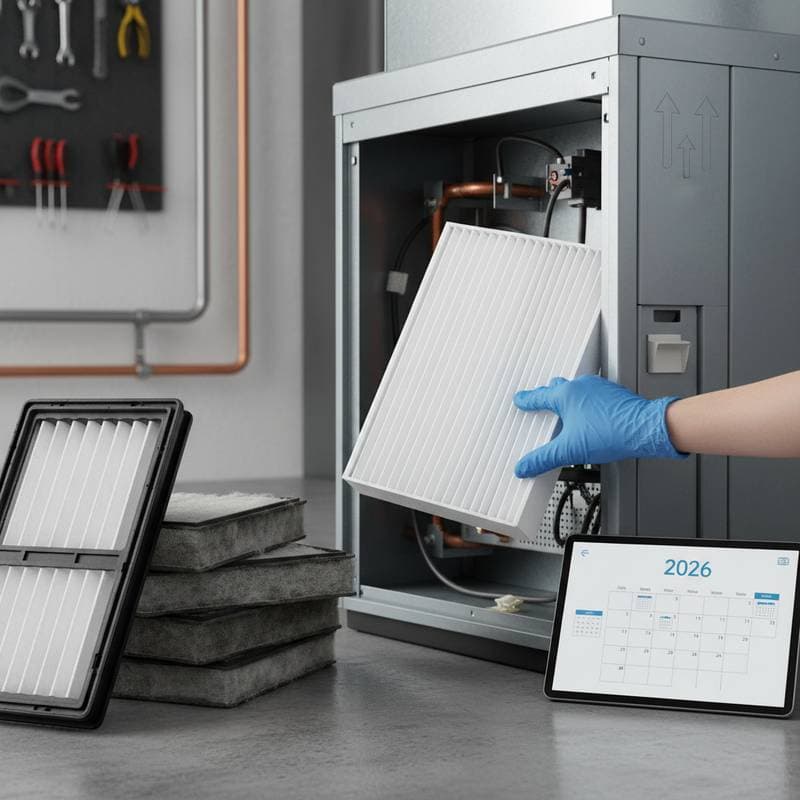
Develop a seasonal plan by noting dates at season onsets or subscribing to deliveries. Store extras in cool, dry spots for prompt access.
Prioritize steady practice over ideal conditions. Neglected filters undermine even the finest designs.