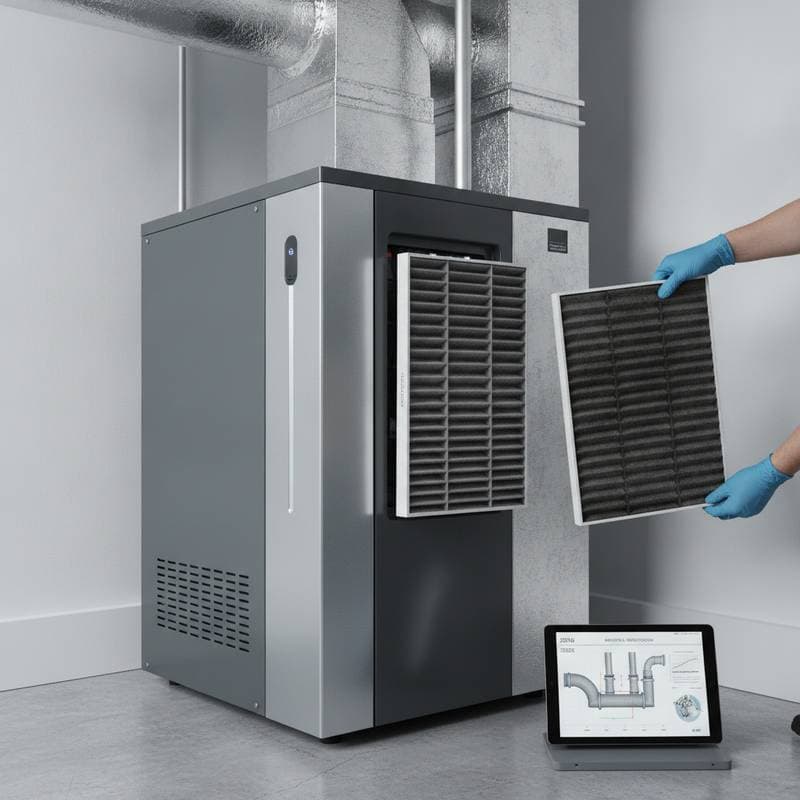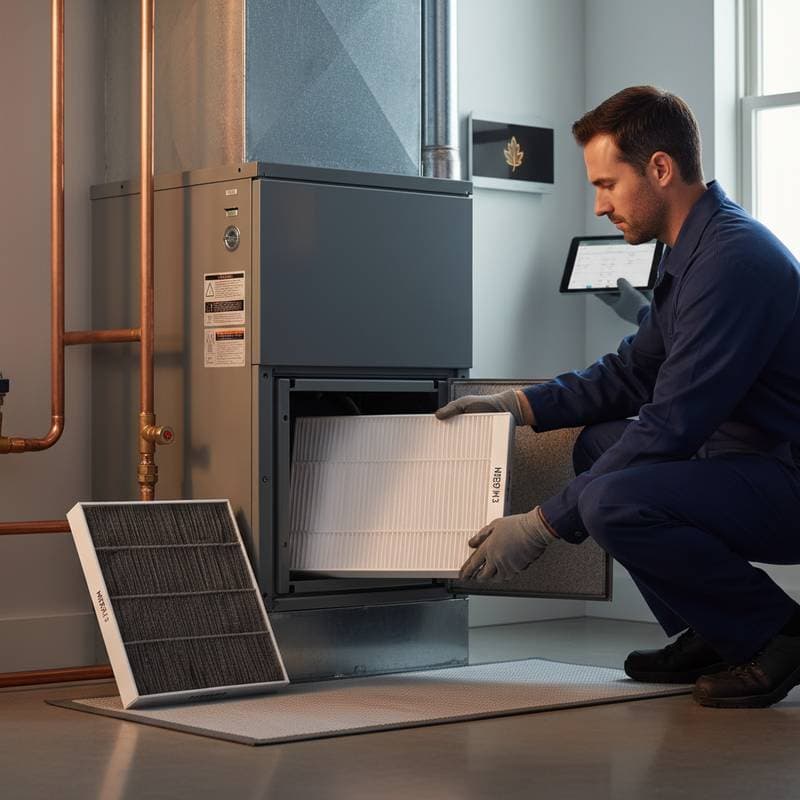
The Importance of an HVAC Filter Swap in Fall
As summer heat diminishes and cooler air arrives, homeowners typically prioritize sealing drafts, verifying insulation, and preparing heating equipment. However, replacing the HVAC filter ranks among the most essential yet frequently neglected preparations. This proactive step extends beyond mere comfort; it safeguards the furnace, reduces energy consumption, and maintains clean indoor air during the shift from cooling to heating modes.
A dirty or incompatible filter imposes undue stress on the system, leading to inconsistent temperatures and the redistribution of dust or allergens. By selecting the correct timing, equipment, and supplies, individuals transform this routine procedure into a highly impactful maintenance practice for the season.
Decoding HVAC Filter Ratings
Prior to purchasing a new filter, understanding the rating system proves essential. The prevalent standard, Minimum Efficiency Reporting Value or MERV, quantifies a filter's ability to trap particles of varying sizes.
- MERV 1 to 4: Offers fundamental defense against substantial debris such as lint and coarse dust.
- MERV 5 to 8: Suits typical household setups by capturing finer contaminants like mold spores and pet dander.
- MERV 9 to 12: Provides advanced filtration for residences with allergy sensitivities or multiple pets.
- MERV 13 and higher: Delivers medical-level purification, though it risks impeding airflow in conventional units.
Selecting an appropriate MERV level requires equilibrium between capture capability and system performance. An overly restrictive filter hampers circulation, mimicking the effects of dirt accumulation. Equipment producers generally indicate the optimal maximum MERV for specific models; consult the user guide or engage a certified HVAC professional if uncertainty arises.
Guide to Replacing Your HVAC Filter
Most individuals can complete an HVAC filter replacement with minimal effort and in mere minutes, provided they proceed methodically.
Step 1: Power Down the Unit
Deactivate the furnace or air conditioner via the thermostat. This precaution avoids drawing contaminants into the mechanism during filter removal.
Step 2: Identify the Filter Housing
Locate the compartment, often positioned behind a return vent panel or within the furnace enclosure adjacent to the blower. Larger properties with zoned systems may feature several filters.
Step 3: Verify Filter Dimensions
Examine the specifications etched on the current filter, for instance, 16x25x1 or 20x30x2. Secure an exact match to prevent air leakage or improper installation.
Step 4: Evaluate the Existing Filter
Position the filter against a light. Minimal light transmission signals replacement necessity, as does pronounced staining or evident particulate accumulation.
Step 5: Install the Replacement Filter
Align the directional arrow on the frame toward the furnace or air handler to match airflow. Insert the filter firmly, ensuring no spaces remain around the edges.
Step 6: Document the Installation Date
Inscribe the replacement date directly on the frame using a permanent marker. This practice facilitates monitoring cycles and scheduling future updates.
Integrating Smart Technology for Filter Management
Contemporary HVAC installations incorporate sensors that track airflow impedance and operational duration. These features deliver notifications via mobile applications or control panels when replacement becomes due.
For units without native capabilities, independent monitors or intelligent thermostats offer comparable functionality. Devices from manufacturers such as Ecobee or Nest calculate filter lifespan according to actual usage, accounting for occupancy patterns, regional weather, and pollution levels. Integration with voice-activated assistants enables automated alerts for added convenience.
Advanced smart filters equip themselves with internal sensors to assess flow rates and filtration efficacy. Upon detecting threshold saturation, these units transmit alerts to smartphones or inboxes. Although initial costs exceed standard options, such innovations minimize errors and optimize replacement timing.
Expert Recommendations for Seasonal Upkeep
Professionals advise combining the fall filter exchange with a comprehensive system evaluation. This assessment encompasses blower cleaning, duct leak detection, and thermostat adjustment. Optimal filter performance depends on an unobstructed overall setup.
Industry discussions on platforms like HVAC-Talk reveal that overlooked filters precipitate the majority of initial winter service requests. Proactive seasonal replacements avert many such issues.
Persistent symptoms including vent dust accumulation, temperature disparities, or elevated utility charges warrant expert attention. Specialists can measure static pressure and validate that the selected filter maintains adequate airflow.
Practical Approaches to Long-Term Filter Care
Strategic planning yields financial benefits in filter management. Purchasing in bulk often decreases unit pricing by as much as 25 percent. Digital calendars or device alerts promote adherence to schedules.
In multi-vent configurations, adhesive labels on each grille noting installation dates streamline oversight. Residences with allergy-prone occupants or animals benefit from monthly or bimonthly intervals, whereas less active homes can extend to quarterly changes.
Efficiency improvements compound over months. Unrestricted airflow accelerates temperature attainment and shortens runtime, yielding cumulative savings on heating expenses.
Securing Efficiency and Air Quality Year-Round
Conducting an HVAC filter swap in fall serves as a foundational safeguard for respiratory health, system longevity, and fiscal prudence.
Those who incorporate this task into regular protocols encounter reduced malfunctions and superior environmental conditions. Regardless of opting for standard pleated designs or sensor-enhanced variants, regular execution surpasses elaborate setups in effectiveness.
Inspect your present filter immediately. Should it appear soiled or obstructed, proceed with replacement prior to activating heat.