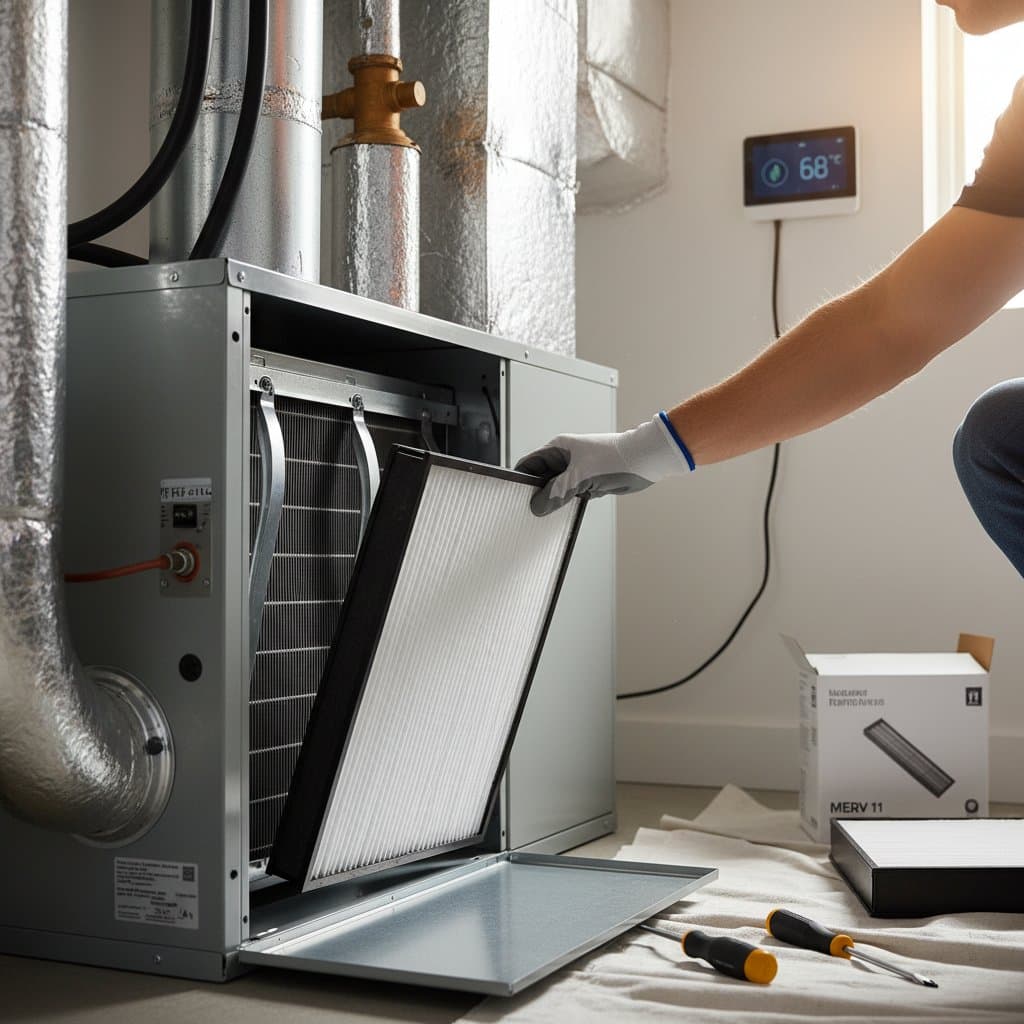
Fall HVAC Filter Swaps: Timing That Saves Energy
When cooler air begins to arrive, many homeowners transition their HVAC systems from cooling to heating modes. One straightforward yet impactful energy-saving measure frequently escapes attention: replacing the air filter. A fresh filter enhances indoor air quality and enables the system to operate with greater efficiency, which conserves energy and minimizes strain on costly components. Fall provides an ideal opportunity to perform this replacement before the demands of heating season commence.
Why Fall Filter Changes Matter
Throughout the summer, the HVAC system labors to cool the air and extract humidity. Dust, pet hair, pollen, and various particles accumulate within the filter over these months. By the onset of cooler temperatures, the filter typically becomes obstructed. This blockage compels the system to exert more effort to circulate air, thereby elevating energy consumption and diminishing overall comfort.
A timely filter replacement in fall guarantees that the system enters heating season with unobstructed airflow. This routine maintenance can enhance efficiency by as much as fifteen percent and maintain superior comfort levels during the winter months.
Understanding HVAC Filter Costs
DIY Costs
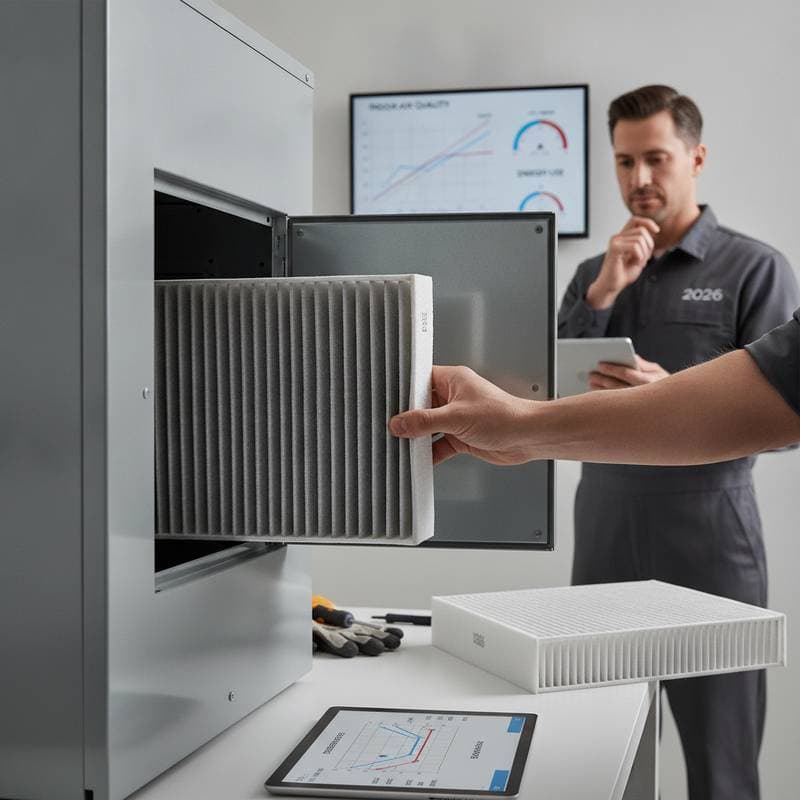
Exchanging an HVAC filter ranks among the simplest do-it-yourself projects. Standard filters range in price from ten to forty dollars, influenced by dimensions and filtration quality. Filters with higher efficiency, engineered to capture minute particles such as smoke or bacteria, command a premium yet often endure longer periods. Purchasing multiple filters in advance ensures supply through the season.
Individuals who handle routine HVAC upkeep independently invest only a few minutes in the swap. The primary expenses involve the filter price and a modest allocation of time.
Professional Service Costs
HVAC professionals frequently incorporate filter replacement into comprehensive tune-up services. A standard fall inspection typically costs between eighty and two hundred dollars, varying by location and system complexity. Experts often suggest filters tailored to the system's airflow requirements and the household's specific air quality demands.
Factors That Affect Price
- Filter Size and Type: Systems in larger homes necessitate bigger filters, which incur higher costs.
- Filter Efficiency: Options with elevated MERV ratings trap finer contaminants but demand precise matching to avoid airflow restrictions.
- System Design: Certain setups employ proprietary filters or custom enclosures that elevate expenses.
- Frequency of Replacement: Residences with pets, allergy sufferers, or substantial dust accumulation require more frequent exchanges, thereby increasing annual outlays.
Although DIY replacements prove economical, neglecting professional inspections may result in escalated expenses down the line. Technicians identify subtle problems, such as diminished airflow, stressed blower motors, or ductwork leaks, that compromise efficiency.
DIY vs Professional: Making the Right Choice
Benefits of DIY Replacement
- Speed and Simplicity: Filters generally slide effortlessly into and out of their compartments.
- Cost Savings: Owners avoid labor charges and select budget-friendly products.
- Prompt Improvements: Enhanced airflow and purer air become evident shortly after installation.
Drawbacks of DIY Replacement
- Selection Errors: An mismatched filter rating might impair efficiency or harm the blower mechanism.
- Limited Scope: Filter changes overlook underlying concerns, including soiled coils or deteriorated belts.
Benefits of Professional Service
- Thorough Evaluation: Service providers examine the full system, cleanse vital parts, and verify operational standards.
- Precise Recommendations: They select filters that optimize both air purity and system performance.
- Assurance of Reliability: The system receives preparation suited for winter demands.
Drawbacks of Professional Service
- Elevated Initial Expense: Fees for visits contribute to seasonal budgets.
- Potential Delays: Demand peaks in fall, complicating appointment availability.
For those adept at basic upkeep, DIY filter changes offer a practical solution. In cases involving older equipment or ongoing air quality challenges, annual professional assessments safeguard sustained performance.
Your HVAC Filter Questions, Answered
How often should I replace my filter?
Standard filters warrant replacement every one to three months. Inspect monthly during periods of intense operation; a darkened or obstructed appearance signals the need for change.
What happens if I forget to change the filter?
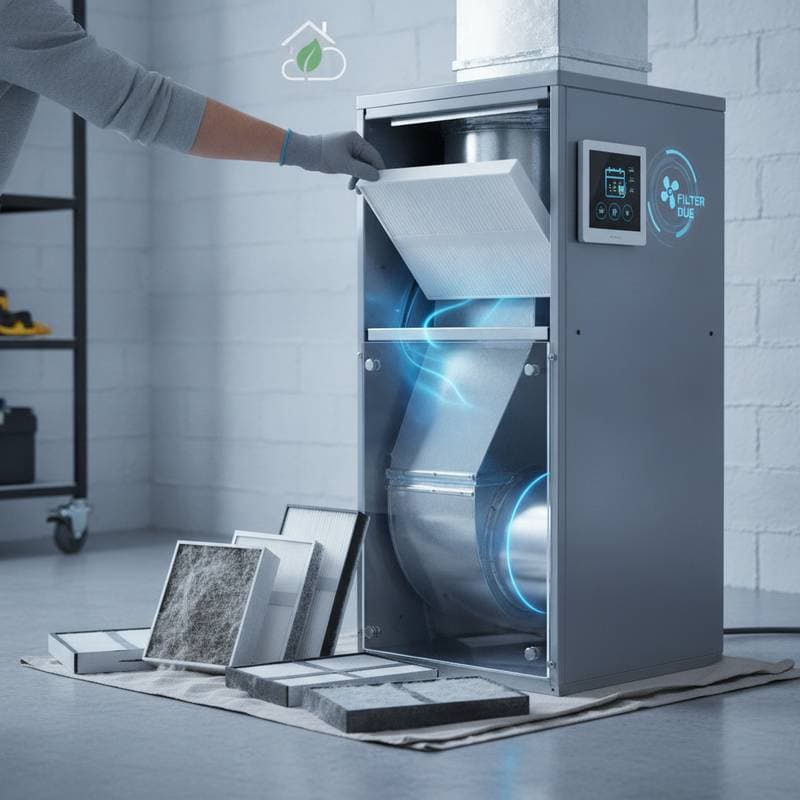
A soiled filter impedes airflow, prolonging system runtime. This escalation in energy demands accelerates equipment wear and produces inconsistent heating distribution.
Can I clean and reuse my filter?
Washable models permit cleaning and reuse. However, disposable varieties require full replacement; attempting to wash them degrades the material and compromises filtration.
Do better filters always mean better performance?
Not necessarily. High MERV ratings excel at particle capture but may hinder airflow in incompatible systems. Always align the filter with manufacturer specifications.
Is it safe to replace the filter while the system is running?
Power down the unit prior to handling the filter. This precaution avoids drawing dust into ducts and prevents operation without protection.
What are signs of a clogged filter?
Observe diminished vent output, extended cycle durations, and heightened household dust as primary indicators.
Should I change filters more often if I have pets?
Affirmative. Pet hair and dander accelerate clogging; monthly inspections suit homes with several animals.
Do fall allergies affect filter choice?
Elevated-efficiency filters mitigate allergens such as pollen and mold prevalent in autumn.
Can a dirty filter cause system damage?
Indeed. Airflow constraints overtax the blower motor, potentially inducing overheating or coil freezing.
How do I know the correct filter size?
Consult the frame of the installed filter or the system's manual. Dimensions appear in inches, for example, 16x25x1.
How to Decide: Your Step-by-Step Guide
- Examine the Existing Filter: Proceed with replacement if it displays graying or dust accumulation.
- Establish a Routine: Calendar entries at seasonal transitions prompt timely checks.
- Assess Air Quality Needs: Opt for advanced filtration in households prone to allergies or breathing difficulties.
- Monitor System Behavior: Address odd sounds or feeble airflow through professional intervention.
- Weigh Expenses Against Maintenance: Integrate DIY swaps with yearly expert visits for optimal outcomes.
Preparing for Your Fall HVAC Filter Project
Secure the appropriate filter dimensions and deactivate power to the system beforehand. Clear space surrounding the indoor unit to facilitate access. Prepare a vacuum or cloth to remove debris from the housing.
Acquire filters in quantity to economize and preempt shortages. Program monthly alerts via digital calendars for consistent monitoring.
Sustaining Efficiency Through Seasonal Care
Consistent fall filter replacements shield the HVAC investment, elevate air purity, and curb energy expenditures. Initiating changes at heating season's start fosters comfort and operational reliability. This brief annual effort yields substantial savings in energy and potential repairs year-round.