Greywater Systems: Costs, Permits, and Installation Essentials
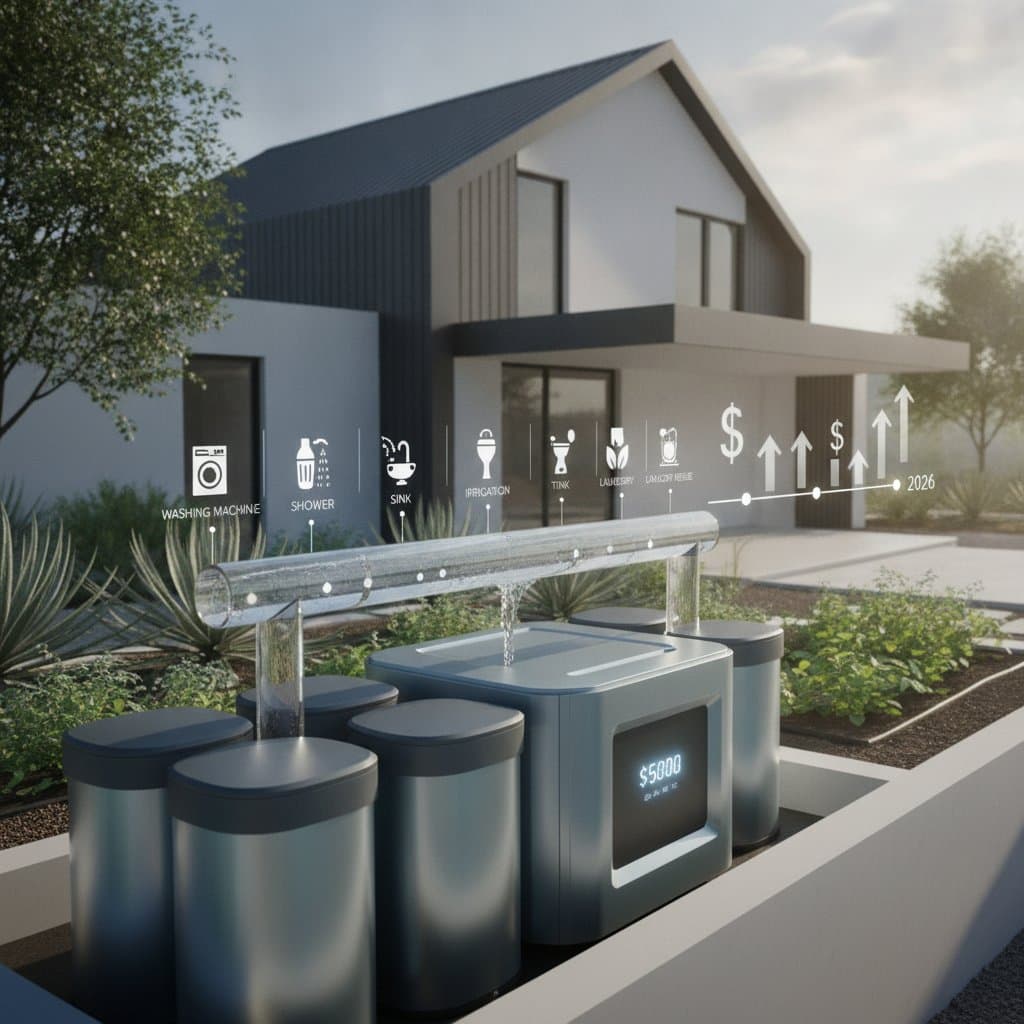
Greywater systems enable homeowners to reuse wastewater from sinks, showers, and laundry for irrigation or toilet flushing. These setups lower water bills, ease pressure on municipal supplies, and advance eco-friendly practices. Before proceeding, grasp the full scope of installation costs and permit requirements to ensure a successful project.
Greywater System Costs Breakdown
Costs for greywater systems vary based on home configuration, system scale, and regional rules. Simple setups start low, while comprehensive installations reach higher figures. Key elements include materials, labor, and regulatory fees.
DIY Installation Expenses
DIY approaches suit those with plumbing skills and straightforward home layouts. Materials form the core outlay, with labor provided by the homeowner.
Common costs encompass:
- Diverter valves: $40 to $150
- Piping and fittings: $100 to $300
- Filters and screens: $50 to $200
- Storage or distribution tank: $150 to $500
- Irrigation components: $100 to $300
A basic laundry-to-landscape system typically totals $300 to $800. Time investment proves significant, particularly in accessing plumbing lines.
Professional Installation Expenses
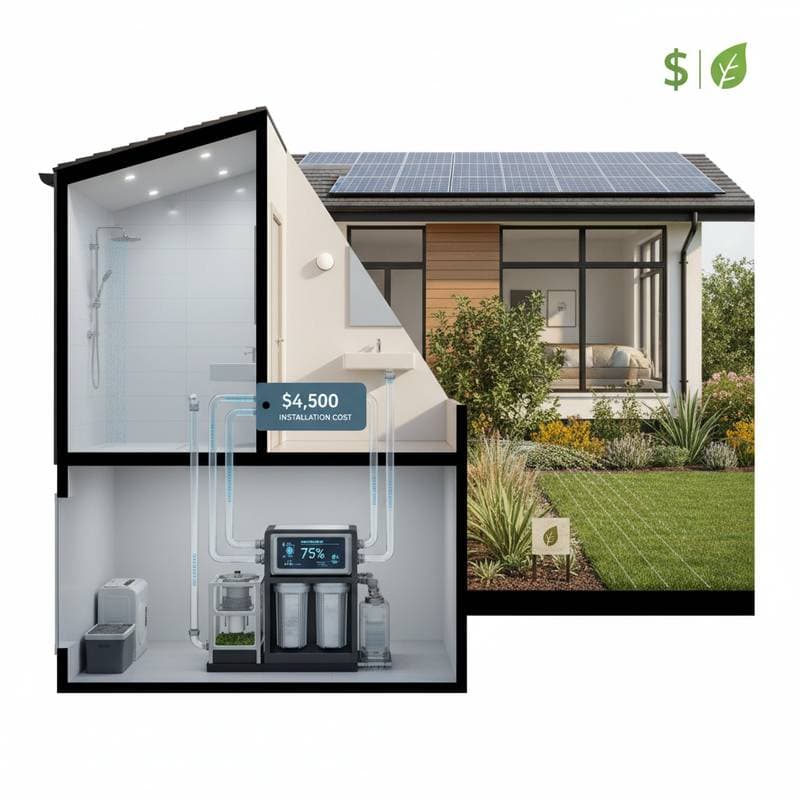
Professionals handle design, compliance, and execution, incorporating labor and expertise. Whole-home systems that route greywater from various sources range from $2,000 to $8,000.
Advanced configurations with filtration for indoor reuse surpass $10,000. Services generally cover:
- Site assessment and custom design
- Permit acquisition and inspections
- Plumbing modifications and electrical integrations
- Backflow safeguards and advanced filters
- System testing and user orientation
Pricing Influences
Multiple factors shape expenses:
- System scale: Additional fixtures elevate complexity and price.
- Property structure: Multi-level homes demand extended piping.
- Application type: Irrigation systems cost less than toilet-supply units.
- Site conditions: Challenging soils or terrain necessitate extra gear.
- Regulatory demands: Permits and checks add fees.
- Efficiency targets: Enhanced storage boosts initial costs but amplifies savings.
DIY Savings and Potential Pitfalls
DIY options cut upfront expenses by thousands, yet errors lead to repairs or fines. Systems prone to contamination or non-compliance arise from flawed setups. Opt for DIY on simple laundry diversions if codes permit; otherwise, engage experts for intricate designs.
| Component | DIY Cost Range | Professional Cost Range | Potential Annual Savings |
|---|---|---|---|
| Basic Laundry System | $300-$800 | $1,500-$3,000 | $100-$300 |
| Multi-Fixture Setup | $800-$2,000 | $3,000-$6,000 | $300-$600 |
| Advanced Whole-Home | N/A | $6,000-$10,000+ | $500-$1,000+ |
Choosing DIY or Professional Installation
Selection hinges on skill level, finances, and desired outcomes. Evaluate each path carefully to align with your needs.
DIY Advantages and Challenges
Advantages
- Reduced expenses
- Personalized customization
- Educational value in sustainability
Challenges
- Demands significant time
- Necessitates plumbing proficiency
- Risks code violations
- Potential for operational failures
Single-source systems prove feasible for skilled individuals. Multi-component designs warrant professional input.
Professional Advantages and Challenges
Advantages
- Specialized planning and execution
- Guaranteed regulatory adherence
- Durable performance
- Post-installation support
Challenges
- Elevated initial investment
- Dependency on contractor timelines
Professionals deliver automated, value-adding systems with minimal hassle.
Essential Tools and Safety Measures
DIY requires PVC cutters, sealants, wrenches, and drills. Protect yourself with gloves and eye gear during assembly. Exclude kitchen wastewater to prevent soil damage from organics.
Installation Timeline
DIY efforts span weekends for basics or weeks for elaborates. Professionals finish large projects in days post-permitting.
Common Greywater Inquiries
Experts address frequent concerns below.
Defining Greywater
Greywater consists of mildly contaminated water from baths, showers, sinks, and washers, suitable for irrigation or flushing after filtration.
Excluded Wastewater Types
Toilet effluent and kitchen/dishwasher discharge classify as blackwater, demanding specialized processing.
Permit Necessity
Permits apply to plumbing alterations or multi-source connections in most jurisdictions. Basic laundry systems occasionally qualify for exemptions; verify locally.
Permit Fee Range
Fees span $50 to $500, scaled to system scope and oversight needs by locality.
Ongoing Maintenance
Routine tasks involve filter cleaning, valve inspections, and line checks quarterly. Documentation aids regulatory reviews.
Storage Feasibility
Brief holding works, but extended periods foster bacteria. Designs favor prompt distribution.
Water Conservation Potential
Households reclaim 20 to 40 gallons per person daily, slashing irrigation demands.
Garden Safety
Proper subsurface application safeguards plants; avoid foliar contact with edibles.
Property Value Impact
Code-compliant systems appeal to eco-conscious buyers, elevating marketability.
Professional Hiring Cautions
Steer clear of those omitting permits, lacking licenses, or skipping maintenance guidance.
Cold-Weather Compatibility
Insulate or bury lines to avert freezes in harsh climates.
Incentive Programs
Local utilities often provide rebates; consult authorities for eligibility.
Inspection Failures
Corrective actions follow failed checks; swift resolutions maintain safety.
System Longevity
Quality materials and upkeep yield 10 to 20 years of service.
Step-by-Step Decision Framework
Navigate choices systematically for optimal results.
Step 1: Analyze Usage Patterns
Monitor indoor and outdoor consumption to pinpoint reuse opportunities like laundry output.
Step 2: Gauge Capabilities
Assess plumbing expertise; seek pros for complexities or uncertainties.
Step 3: Compute Total Expenses
Factor materials, labor, fees, and upkeep. Professional routes recoup via efficiencies.
Step 4: Prioritize Safety
Prevent cross-contamination with backflow devices and proper filtration.
Step 5: Commit to Selection
Weigh finances, effort, and reliability for a system that sustains your objectives.
Project Preparation Essentials
Thorough groundwork minimizes disruptions.
Navigate Regulations
Contact building departments for greywater guidelines, plans, and pre-approval inspections.
Survey the Site
Document plumbing routes, terrain, and irrigation to optimize pathways.
Establish Budget
Allocate for materials, services, permits, and contingencies; compare quotes for value.
Coordinate Scheduling
Secure permits first, then book installers; align with seasonal weather for outdoor work.
Site Readiness
Clear access paths, protect landscapes, and gather tools or hire support as needed.
Realizing Sustainable Water Savings
Implementing a greywater system transforms wastewater into a valuable asset. Expect reduced utility costs, enhanced eco-impact, and a resilient home. With informed planning, your investment delivers lasting efficiency and compliance.