Understanding Greywater Systems
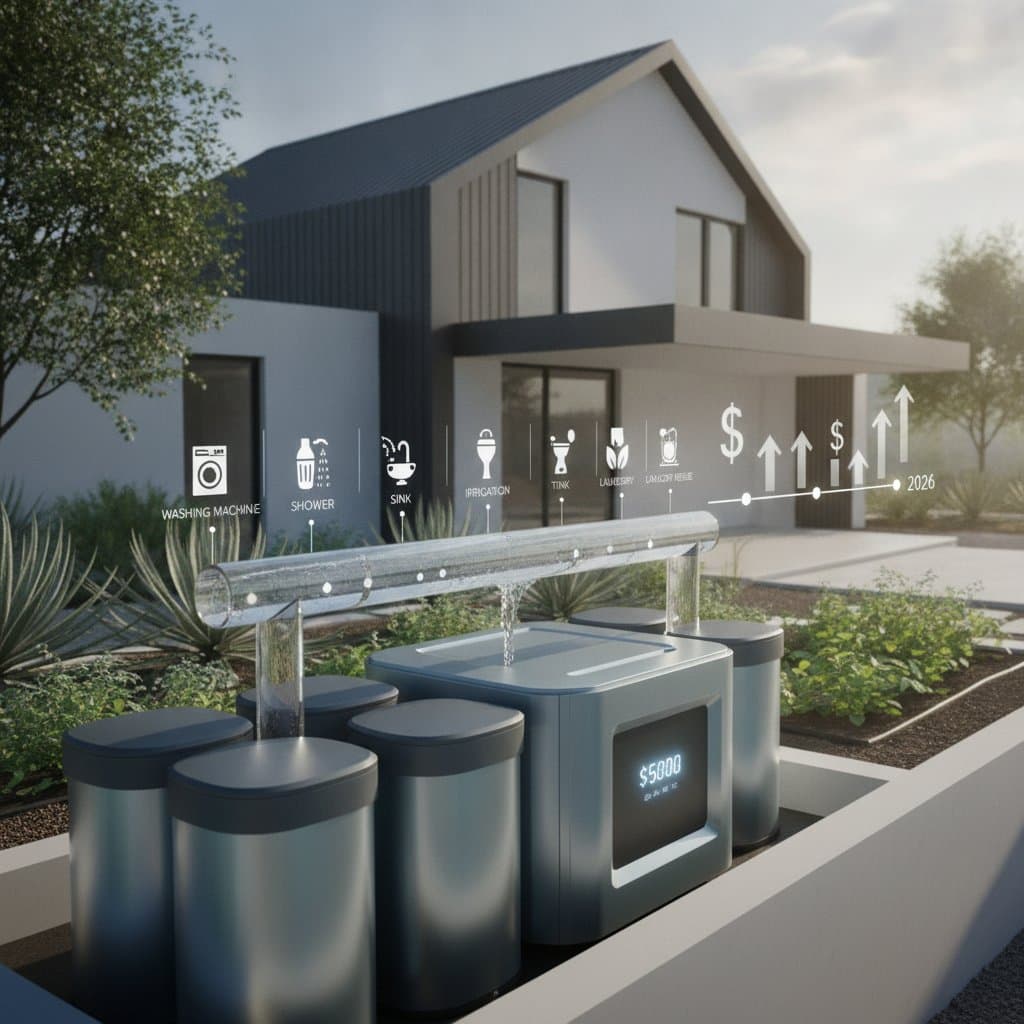
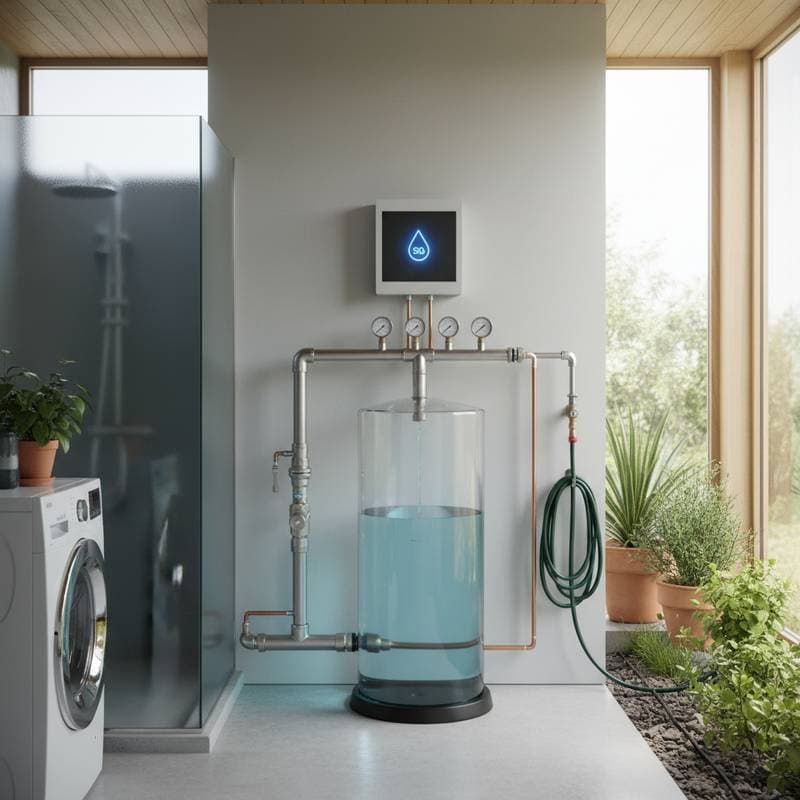
Greywater refers to lightly used household wastewater from sources such as showers, bathroom sinks, and washing machines. These systems collect and redirect this water for irrigation purposes, reducing reliance on municipal supplies. By implementing a greywater setup, homeowners achieve significant water conservation while enhancing landscape health.
Initial costs range from 500 to 10,000 dollars, depending on system complexity and installation method. Simple diversion systems start at the lower end, while advanced filtered units with pumps reach the higher range. Local water rates and household usage determine payback periods, often within three to seven years.
Navigating Permits and Regulations
Before installation, consult local building and health departments to understand specific requirements. Many areas mandate permits for greywater systems to ensure public health and environmental protection. Regulations vary by region, with some jurisdictions prohibiting certain fixtures or requiring professional oversight.
Key compliance elements include:
- Storage safety: Tanks must bear labels indicating non-potable water and feature sealed lids to prevent contamination.
- Filtration: All systems require filters to remove lint, debris, and other particulates prior to distribution.
Non-compliance risks fines or system removal, emphasizing the importance of thorough pre-installation research.
DIY Installation Options
Individuals skilled in basic plumbing and gravity-fed mechanics can manage a straightforward washing machine diversion in a single weekend. Essential materials comprise:
- One-inch diameter PVC or flexible irrigation piping.
- A three-way valve to control water diversion.
- A basic filter or mesh screen for initial debris capture.
- Shovels and trenching equipment for underground lines.
- Pipe cement and secure clamps for connections.
This approach suits flat yards with downhill slopes for natural flow. Test the system post-installation to verify even distribution and absence of leaks.
Professional Installation for Complex Setups
For systems integrating multiple fixtures, pumps, or advanced filtration, engage a licensed plumber experienced in greywater standards. Professionals assess site conditions to design configurations that avoid backflow, ensure uniform water spread, and align with health regulations.
Hiring expertise minimizes errors and accelerates permitting processes. Expect costs to include design consultations, material sourcing, and labor, typically adding 2,000 to 5,000 dollars beyond basic components.
Maximizing Savings Through Strategic Design
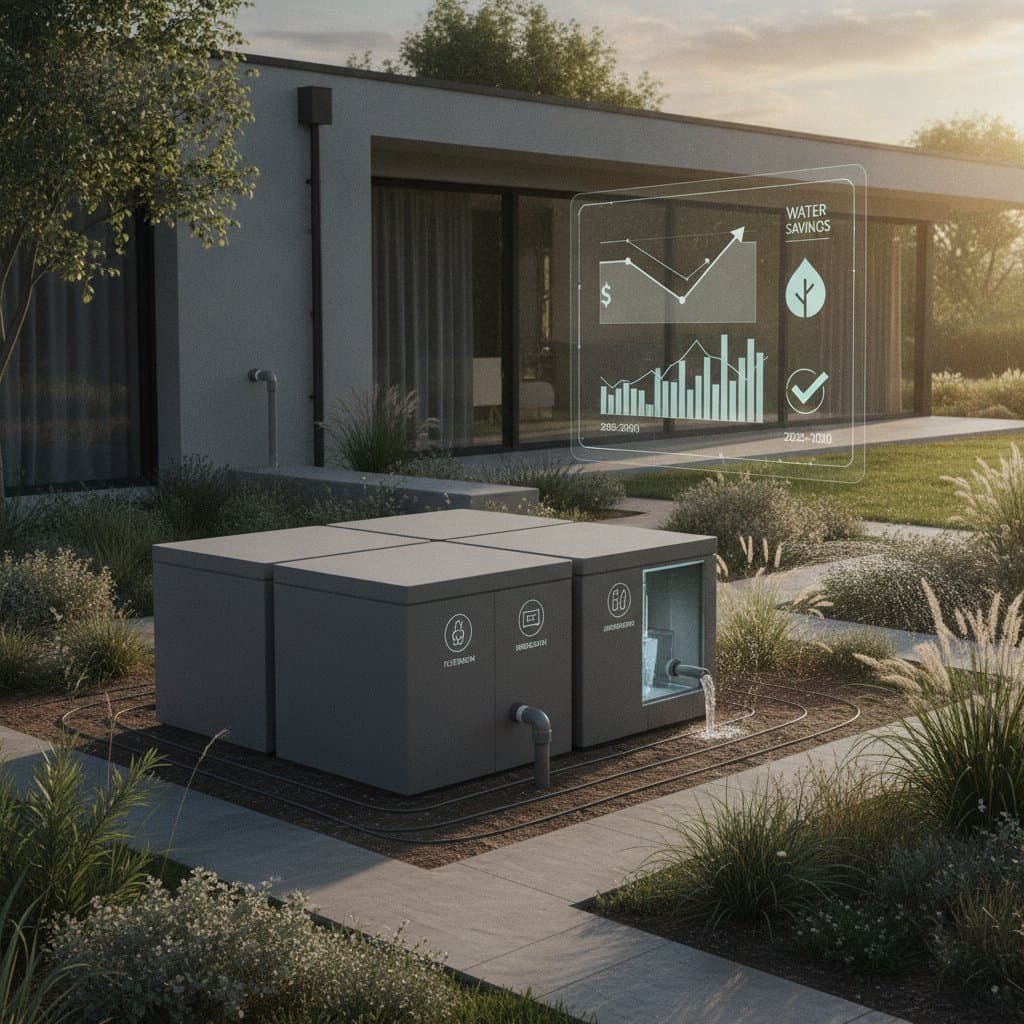
Greywater systems recoup investments via lowered water bills, with return timelines influenced by configuration and daily consumption. A household of four averaging 150 gallons daily can reduce municipal usage by 40 to 60 percent, yielding annual savings of 200 to 500 dollars based on regional rates.
To accelerate benefits, consider these strategies:
- Prioritize the laundry source. Washing machines provide consistent, low-contaminant greywater ideal for beginners.
- Leverage gravity flow. Reserve pumps for uphill terrains to cut energy costs.
- Incorporate mulch basins. These natural filters distribute water while breaking down organics.
- Select compatible vegetation. Opt for fruit trees, shrubs, and ornamentals that absorb nutrients effectively.
- Track output volumes. Ensure diverted water avoids soil saturation through regular monitoring.
Integrate with drip irrigation lines or soil moisture sensors for optimal efficiency and minimal waste.
Avoiding Pitfalls in System Operation
Several errors undermine greywater performance and longevity. Steer clear of diverting kitchen sink or dishwasher effluent, as fats and food particles obstruct filters and harm soil biology. Distribute water across multiple zones to prevent localized flooding.
Essential precautions involve:
- Installing robust filtration to capture fine particles and extend component life.
- Conducting monthly filter cleanings and seasonal valve inspections.
- Clearly labeling all greywater lines to distinguish them from potable supplies.
Regular upkeep preserves system reliability and regulatory adherence.
Ensuring Accessibility and Safety
Design systems with household needs in mind, particularly for members with mobility challenges. Position diverter valves and access points at heights between 36 and 42 inches for ease of use. Eliminate potential standing water zones to safeguard children and pets from exposure.
Health protocols include using only approved materials and avoiding chemical-heavy detergents that could affect plant uptake or groundwater.
Implementing Your Greywater Solution
Begin the process by diagramming household water outlets and reviewing municipal guidelines. Choose a scale appropriate to your landscape and technical comfort, whether a modest DIY diversion or a comprehensive professional build. This investment delivers enduring water independence, cost reductions, and ecological contributions, transforming everyday routines into sustainable practices.