2026 Water Filtration Costs: What Homeowners Pay
Clean water in the home serves as more than a convenience. It stands as an essential element that influences health, beverage flavor, and the longevity of household appliances. With increasing numbers of homeowners seeking dependable filtration solutions, a clear grasp of cost determinants proves vital. Expenses differ significantly based on the filtration category, residence dimensions, local water characteristics, and setup preferences.
Water Filtration Cost Fundamentals
National Average Pricing Benchmarks
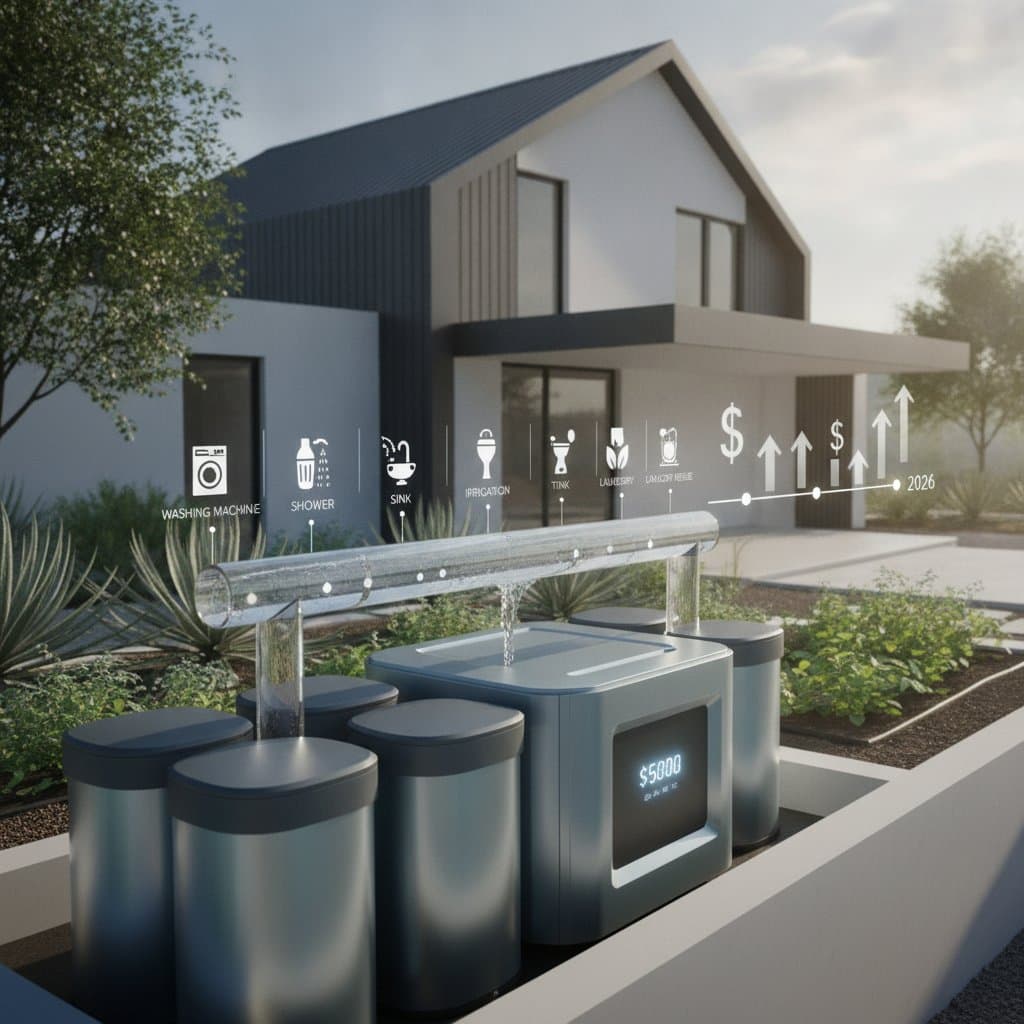
Nationwide, homeowners typically invest between $1,000 and $3,000 in a whole-house water filtration system. Point-of-use options, like under-sink models, average $100 to $500. Basic pitcher filters or faucet-mounted attachments start at $20 to $70, though they necessitate regular cartridge swaps every few months.
Regional Price Variations
Water composition varies markedly across regions, dictating the necessary filtration level. Locations with hard water or elevated sediment levels demand robust systems, elevating expenses. Coastal areas often incur higher plumbing labor rates, whereas certain inland zones provide more economical installation services.
Seasonal or Cyclical Pricing Fluctuations
Interest in water filtration peaks during summer, as mineral buildup or discoloration becomes evident. Vendors may introduce limited-time discounts or combined packages during these periods. Fluctuations in plumber availability throughout the year can also modestly affect setup fees.
Economic Factors Influencing Service Costs
Global supply chains, raw material rates, and utility expenses all impact final prices. Systems relying on imported activated carbon or ion-exchange resins experience price swings. Broader inflation in building materials and plumbing labor further shapes installation totals.
Pricing Models and Structures
Hourly Rates Versus Flat Fees
Plumbers installing filtration systems charge $50 to $150 per hour, varying by experience and location. Many opt for fixed pricing on straightforward jobs, simplifying budgeting for clients.
Per Unit or Project-Based Pricing Models
Whole-house units come priced as complete packages, encompassing hardware and labor. A standard carbon block filter might total $2,000 with installation, while a reverse osmosis configuration could surpass $4,000.
Bundle or Package Pricing Strategies
Providers frequently propose integrated deals that merge filtration with softening capabilities and upkeep programs. Such combinations often yield savings of 10 to 15 percent over individual purchases.
Subscription Versus One-Time Service Costs
Monthly subscription services gain traction, handling filter renewals and routine checks for $20 to $60, scaled to system capacity and household consumption. Initial outright buys appear less expensive at first, yet recurring upkeep expenses accumulate over time.
Service Tiers and Their Price Points
Basic or Essential Services
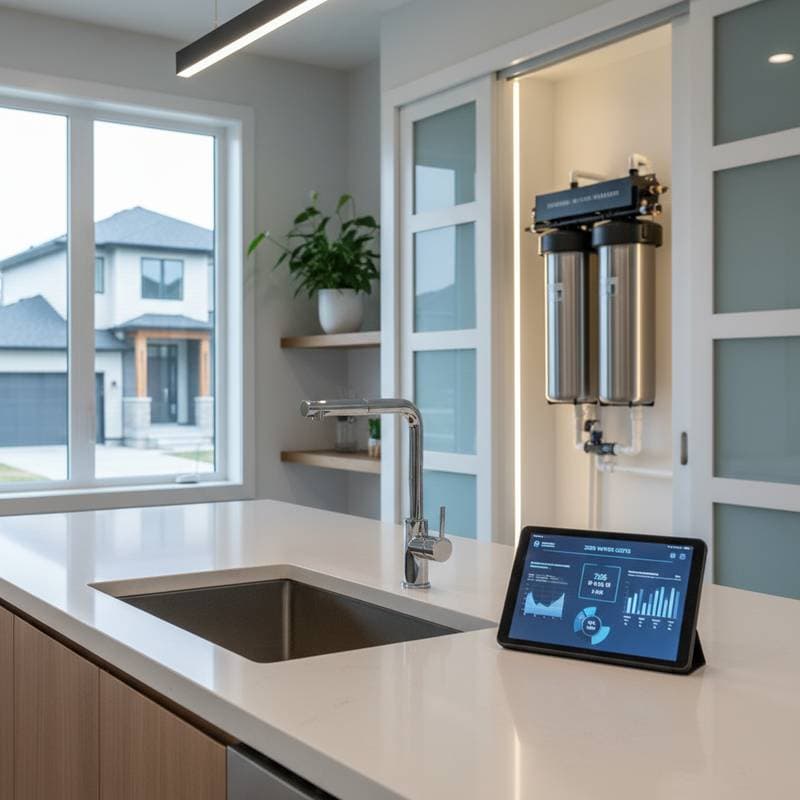
Fundamental options encompass carbon-based filters, faucet attachments, or simple under-sink arrangements, priced at $100 to $300 including setup. These address chlorine flavors, smells, and basic impurities, though they fall short against heavy metals or microbial threats.
Standard or Professional Service Pricing
Intermediate setups, including multi-stage filters or reverse osmosis devices, range from $500 to $2,000. They enhance water taste, eliminate broader contaminants, and typically feature a separate spout or connection to the kitchen cooler.
Premium or Comprehensive Service Rates
Advanced whole-home solutions with UV treatment, softening features, or thorough purification cost $2,000 to $6,000. These address all incoming water lines, ensuring uniform quality for bathing, cooking, and device use.
Specialized or Bespoke Service Expenses
Tailored systems for well sources, excessive iron, or demanding applications exceed $10,000. They incorporate initial testing, custom engineering, and intricate pipe adjustments.
Key Variables Influencing Water Filtration Pricing
Scope or Size of the Project
Compact dwellings suit point-of-use filters, but larger homes with multiple fixtures call for expansive whole-house designs. Greater scale means additional components like tanks and connectors.
Complexity and Required Skill Level
Integrations involving wiring or alterations to current pipes raise labor demands. Professionals with certifications command higher fees, yet they deliver assurances against malfunctions.
Time Required for Completion
Routine setups last two to four hours. Elaborate configurations may extend to a full day, particularly with valve additions or rerouting.
Materials or Equipment Needed
Components such as carbon media, osmosis films, UV lamps, and softening beads differ in cost and durability. Superior selections endure longer, offsetting higher entry prices with fewer replacements.
Add-on Services and Supplemental Charges
Water Testing Fees
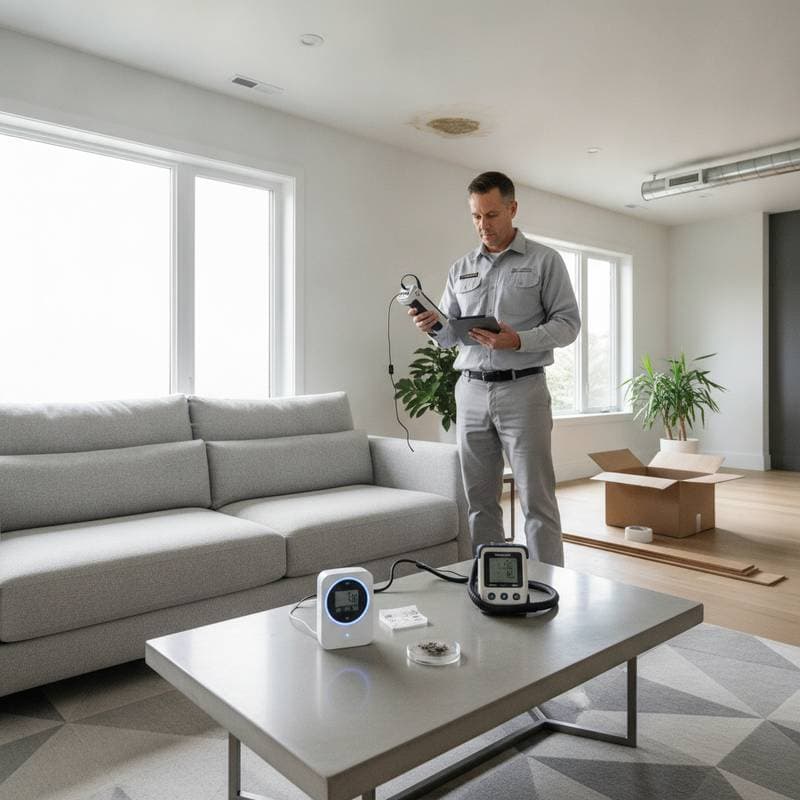
Expert evaluations run $100 to $300, pinpointing issues like lead, arsenic, or nitrates to guide system selection.
Filter Replacement Costs
New cartridges cost $20 to $100 apiece, based on manufacturer and specification. Multi-component units might demand multiple annual changes.
Maintenance and Inspection Charges
Yearly checkups range from $100 to $200, verifying flow rates, detecting drips, and updating parts.
Expedited or Priority Service Rates
Urgent or same-day services attract fees of $50 to $200.
Key Considerations When Choosing a Provider
Organizations like the Water Quality Association advise selecting verified systems evaluated by neutral labs. Such endorsements carry a modest upcharge but guarantee efficacy and reliability.
Engage licensed specialists for intricate work. Data from HomeAdvisor indicates that certified setups experience 30 percent fewer problems in the initial year.
Established names including A. O. Smith, Culligan, and Aquasana disclose costs openly and outline care routines. Several extend performance pledges or prolonged coverage to safeguard purchases.
Sustainability and Long-Term Value
Environmentally aware individuals favor units with reusable elements or minimal discharge. Certain reverse osmosis models reclaim up to 80 percent of processed water, reducing waste. Though pricier upfront, they lower utility expenses and ecological footprint across years.
Total ownership expenses encompass servicing, renewals, and power draw. Properly tended systems operate for 10 to 15 years, amortizing costs while maintaining high standards.
Steps to Secure Your Water Investment
Begin by assessing local water reports and family requirements. Obtain water tests, solicit bids from multiple firms, and scrutinize coverage terms.
Request breakdowns covering gear, workforce, and prospective care. Weigh fixed payments against ongoing plans to match financial and durability goals.
A strategic filtration choice yields secure hydration, preserves pipes, boosts device performance, and fosters wellness.