
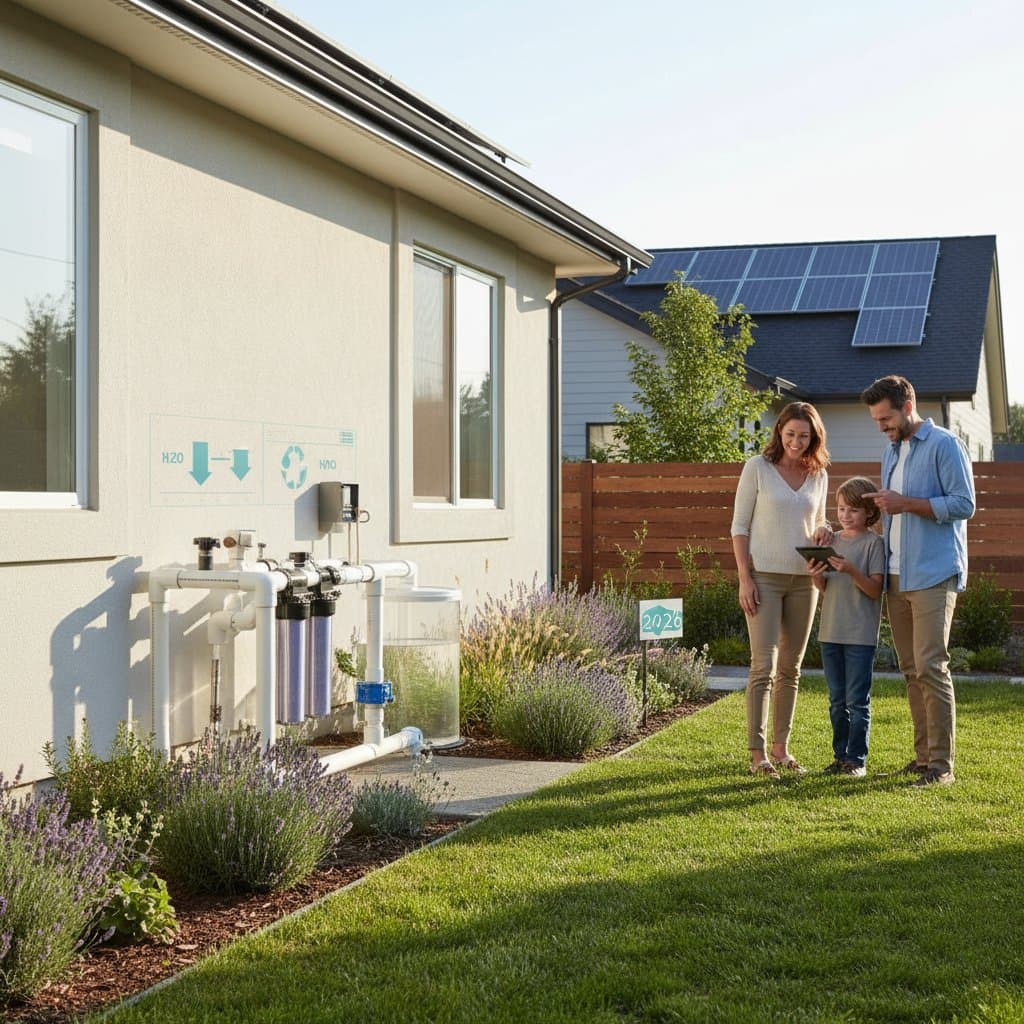
Understanding Greywater Systems and Their Potential Savings
Greywater refers to lightly used household wastewater from sources such as showers, sinks, and washing machines. These systems collect and redirect this water for irrigation or other non-potable uses, reducing reliance on municipal supplies. Homeowners who install them often see substantial reductions in water consumption, translating to annual savings of $200 to $800, particularly in regions with elevated water rates.
The appeal lies in both financial and environmental gains. A typical household uses 50 to 100 gallons of greywater daily, which can irrigate landscapes without drawing from fresh sources. As water costs rise, these systems provide a reliable method to manage expenses while supporting conservation efforts.
Factors Influencing Greywater System Costs
Installation expenses vary based on several property-specific elements. Understanding these helps in budgeting accurately for a tailored solution.
- System Complexity: Connecting multiple fixtures, such as bathroom sinks and laundry outlets, increases piping and component needs, raising overall costs.
- Soil Type and Landscaping: Sandy soils absorb water easily, simplifying design, while clay-heavy soils demand enhanced drainage or subsurface irrigation to prevent pooling.
- Local Regulations: Jurisdictions with strict environmental rules may mandate advanced filtration or holding tanks, adding to the investment.
- Water Volume: Families with higher usage require larger collection tanks and more powerful pumps to handle the flow effectively.
- Accessibility: Properties with basements, attics, or convoluted plumbing layouts extend labor time, as technicians navigate obstacles during setup.
These variables ensure the system aligns with your home's unique conditions, maximizing efficiency from the outset.
Typical Installation Costs and Options
Professional greywater systems range from $2,000 to $8,000, covering materials, labor, and compliance features. Basic setups divert laundry water directly to garden lines, while comprehensive ones treat water from multiple sources for broader applications.
For budget-conscious individuals, DIY kits begin at $300, including diverter valves, hoses, and filters. These suit simple landscapes but demand basic plumbing knowledge to avoid errors. Professionals recommend starting small to test performance before expanding.
In high-cost areas, rebates from water utilities can offset 20 to 50 percent of expenses. Research local programs early to leverage available support.
Long-Term Savings Potential
A properly installed greywater system cuts water bills by 25 to 50 percent, depending on daily habits and local rates. For a family of four in a tiered pricing zone, this equates to $200 to $800 in yearly reductions. Over a decade, cumulative savings often exceed initial outlays, especially when paired with low-flow fixtures.
Beyond finances, these systems conserve 30,000 gallons of water annually per household. This volume equals the needs of dozens of trees, fostering resilient yards amid droughts. Consistent use amplifies returns, making greywater a cornerstone of sustainable living.
Essential Questions About Greywater Systems
Industry professionals address key concerns to guide informed decisions.
Permit Requirements
Most regions mandate permits to verify compliance with plumbing and health codes. Laundry-to-landscape designs sometimes qualify for exemptions, but verification with building departments prevents fines. Expect fees of $50 to $300, plus possible site inspections.
Suitable Water Sources
Reusable greywater comes from bathroom sinks, showers, bathtubs, and washers. Exclude kitchen wastewater, rich in grease and organics, or blackwater from toilets, which carries pathogens. Proper sourcing maintains system hygiene.
Maintenance Schedule
Clean filters monthly during peak use, or every few months otherwise, to sustain flow. Annual checks on pumps, valves, and seals catch wear early. Dedicate 1 to 2 hours quarterly for routine care, ensuring longevity.
Storage Considerations
Short-term storage in tanks works if water circulates within 24 hours, minimizing bacterial risks. Advanced units with UV treatment or aeration allow longer holding, ideal for variable irrigation schedules. Monitor levels to avoid stagnation.
Garden Safety
Filtered greywater nourishes ornamental plants, trees, and turf without harm. For edibles, deploy treated systems that remove salts and chemicals. Test soil periodically to confirm balanced nutrient delivery.
Installation Timeline
Experts complete most projects in one to three days, factoring in system scale and site prep. Weekend DIY efforts suit basic installs, but allocate extra time for testing connections.
Frequent Challenges
Clogs from debris, pressure drops in lines, or drainage backups top the list. Proactive filter swaps and seasonal flushes resolve 90 percent of issues. Consult manuals or pros for persistent problems.
Efficiency Enhancements
Opt for phosphate-free detergents to ease filtration. Zone irrigation to deliver water precisely where plants thrive. Integrate rain sensors to blend greywater with harvested runoff, optimizing resource use.
Incentive Programs
Utilities and governments provide rebates up to $1,000 for qualifying installs. Environmental grants target water-scarce areas. Submit applications post-permit to streamline approvals.
Advanced Connections
Toilet flushing demands robust filtration and backflow prevention, costing $5,000 or more. These setups recycle up to 80 percent of wastewater but require engineer oversight for code adherence.
System Durability
Quality components endure 10 to 20 years with care. Replace pumps every 5 to 7 years and tubing as it degrades. Annual budgets of $100 cover upkeep.
Soil Absorption Solutions
Clay soils benefit from French drains or elevated drip lines to disperse water evenly. Soil percolation tests, priced at $100 to $200, inform custom designs. Professionals adjust plans accordingly.
Steps to Prepare Your Greywater Installation
Thorough preparation streamlines the process and safeguards investments.
- Evaluate your property's water output and irrigation demands to select an appropriate scale.
- Contact local authorities for permit details and explore rebate eligibility.
- Time the project for dry seasons, avoiding winter freezes or summer peaks.
- Allocate funds for core setup, plus 10 to 20 percent contingency for surprises.
- Arrange pre- and post-installation inspections to meet regulatory standards.
This structured approach minimizes disruptions and positions your system for optimal performance.
Achieving Sustainable Savings with Greywater
Greywater adoption yields enduring financial relief and ecological impact. Homeowners recoup costs within 3 to 5 years through bill reductions and incentives. Landscapes flourish with recycled resources, enhancing property value in eco-aware markets.
Communities benefit as collective conservation eases strain on supplies. Start small, monitor results, and scale up to realize full advantages. Your greywater system becomes a proactive step toward resilient, cost-effective living.




