Greywater System Costs: Permits, Installation, and Long-Term Savings
Homeowners often face escalating water bills, particularly in regions prone to drought where irrigation demands increase. Greywater systems provide an effective solution by recycling household wastewater, thereby lowering costs and easing pressure on public water resources. This comprehensive guide examines the expenses involved, permit processes, and potential savings to equip you with the knowledge needed for a confident, sustainable home improvement.
Functions of Greywater Systems
Greywater consists of mildly contaminated water from sources such as bathroom sinks, showers, and washing machines. This category excludes toilet flush water and kitchen sink runoff, which qualify as blackwater due to higher contamination levels. Greywater systems capture this water, apply basic filtration, and redirect it toward non-potable uses like landscape irrigation or toilet flushing.
Two primary system categories exist, each suited to different household needs:
| Type | Description | Typical Installation Cost | Best Use |
|---|---|---|---|
| Laundry-to-Landscape | Routes washing machine effluent directly to garden beds or mulch basins | $500 to $2,500 | Compact properties or budget-conscious projects |
| Whole-Home System | Gathers greywater from various fixtures, incorporates filtration and storage | $3,000 to $10,000+ | Expansive residences with substantial water consumption |
Selecting the appropriate system type allows for precise cost projections based on your property size and water usage patterns.
Detailed Cost Analysis
Greywater system expenses vary according to design complexity, material quality, and installation method. Factors such as existing plumbing configuration and site-specific challenges influence the final figure. Below is a breakdown of typical components:
- Materials: Includes piping, surge tanks, diverter valves, and sediment filters, ranging from $400 to $2,000.
- Labor: Professional services for routing and integration cost $1,500 to $5,000, scaled to system scope.
- Permits and Inspections: Fees span $100 to $1,200, contingent on municipal regulations.
- Ongoing Maintenance: Annual expenses for filter replacements and system flushing total $100 to $300.
Individuals pursuing laundry-to-landscape options with prior plumbing familiarity may complete installations for under $1,000. In contrast, whole-home setups demand expert intervention to ensure reliability and code adherence.
Navigating Permit Requirements
Regulations govern greywater installations to safeguard public health and prevent environmental contamination. Local authorities typically mandate permits for modifications to drainage or irrigation infrastructure. These measures verify that systems isolate greywater from drinking water supplies and comply with sanitation standards.
Key Permit Elements
- Plumbing Schematic Review: Submit diagrams illustrating greywater integration with current lines.
- Backflow Protection Installation: Equip systems with certified devices to block cross-contamination.
- Separation Distances: Position discharge points at least 18 inches below ground and 5 to 10 feet from boundaries or wells.
- Identification Markings: Affix durable labels on all greywater conduits reading "Caution: Non-Potable Water."
- Inspection Protocols: Schedule evaluations prior to backfilling trenches or activating the system.
Certain jurisdictions offer streamlined approvals for laundry-specific designs, while broader projects fall under full plumbing oversight. Contact your municipal building office early to clarify rules and prevent penalties or mandatory dismantling.
Quantifying Savings Potential
Savings from greywater reuse hinge on household consumption volume and local utility rates. A typical four-person household reuses 15,000 to 25,000 gallons annually from bathing and laundering, yielding $150 to $350 in yearly bill reductions at standard pricing. In water-scarce areas with tiered rates or penalties, returns may double.
Over a decade, cumulative savings often offset initial investments, especially when factoring reduced irrigation expenses. Track usage via meter readings before and after installation to measure personal impact.
Broader Advantages
- Plant Vitality: Deliver steady hydration to non-edible vegetation, promoting healthier growth without chemical additives.
- Water Security: Maintain functionality amid supply limits or outages.
- Ecological Impact: Lessen demands on treatment facilities and preserve freshwater reserves for essential needs.
Installation Options: DIY or Expert Assistance
System complexity dictates whether self-installation or professional help proves most suitable. Evaluate your technical skills against code demands to choose wisely.
Self-Installation Approaches
Laundry-to-landscape configurations suit handy homeowners, often bypassing stringent permits. Essential steps include:
- Identify the washing machine outlet hose connection.
- Install a three-port diverter valve to switch between sewer and landscape routing.
- Extend perforated tubing to subsurface mulch zones, maintaining a 10-foot buffer from foundations.
- Apply purple-dyed markers on lines and conduct pressure tests for integrity.
Such projects span a single weekend with tools like pipe cutters and sealant applicators.
Professional Engagement Criteria
Comprehensive systems involving multiple fixtures necessitate certified expertise. Specialists provide:
- Custom designs aligned with site topography and regulations.
- Comprehensive permit applications and authority coordination.
- Precision assembly of pumps, clarifiers, and reservoirs.
- Integration of safeguards against backups and contamination.
Although upfront costs rise, professional oversight minimizes risks of inefficiency or legal issues.
Pitfalls and Prevention Strategies
Improper greywater handling can lead to clogs, odors, or regulatory violations. Address these concerns through diligent preparation:
- Restrict application to ornamental flora; advanced treatment is required for food crops.
- Verify soil percolation to avoid surface ponding or runoff.
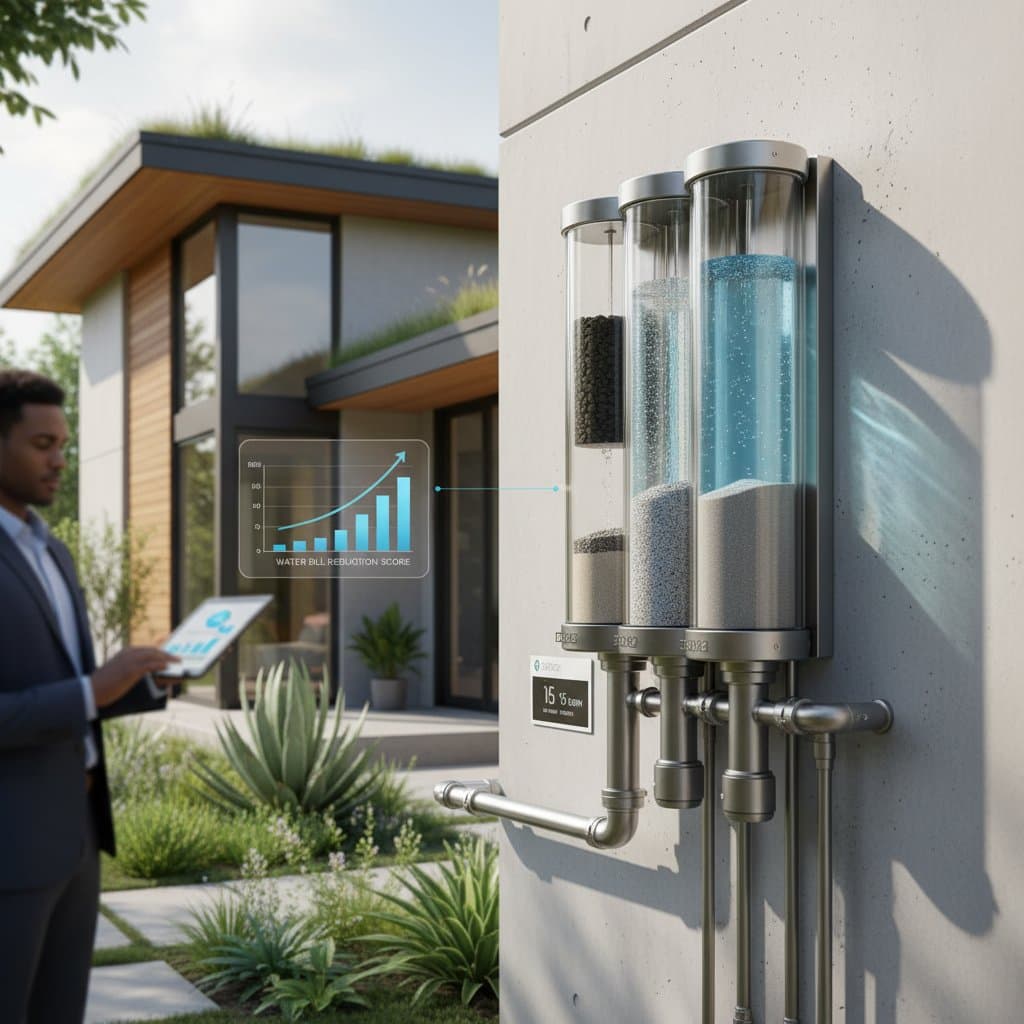
- Incorporate multi-stage filters to trap debris from daily use.
- Schedule quarterly servicing to clear accumulations and restore flow.
- Secure approvals upfront to evade citations during resale appraisals.
Proactive measures ensure longevity and compliance.
Inclusive Design Adaptations
Tailor systems for diverse abilities by prioritizing usability. Recommended modifications encompass:
- Ergonomic Controls: Mount switches at 24 to 36 inches elevation for wheelchair access.
- Automation Features: Deploy moisture sensors or programmed valves to streamline operations.
- Visible Indicators: Employ high-contrast, tactile signage for intuitive navigation.
These enhancements sustain performance while accommodating user needs.
Steps to Implement Your System
Begin by assessing your property's water profile and regulatory landscape. Select a configuration aligned with your budget and expertise, then procure materials from reputable suppliers. Post-installation, monitor performance and adjust as necessary to maximize returns on this eco-conscious investment.