Prep Your AC Now to Beat Summer Heat Waves
A heat wave always feels worse when the air conditioner stops working at the moment it is needed most. If the system has remained idle for months, simple maintenance performed now can prevent breakdowns during peak demand. Proper preparation maintains comfortable indoor temperatures, reduces utility expenses, and supports reliable operation when outdoor temperatures rise sharply.
Essential Preparations
Three priorities stand out before summer begins: a clean system, unobstructed airflow, and verified refrigerant levels. A brief inspection using basic tools identifies most problems early. The ideal moment for these tasks occurs before daily operation starts. Service demand increases rapidly once the first heat spell arrives, making prompt action advantageous.
Step-by-Step AC Prep Checklist
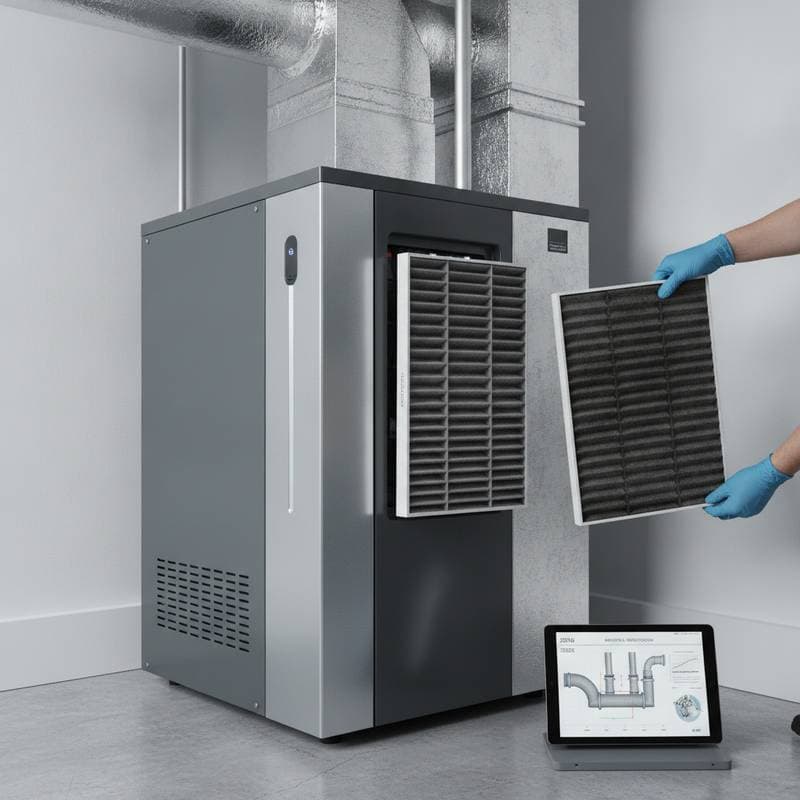
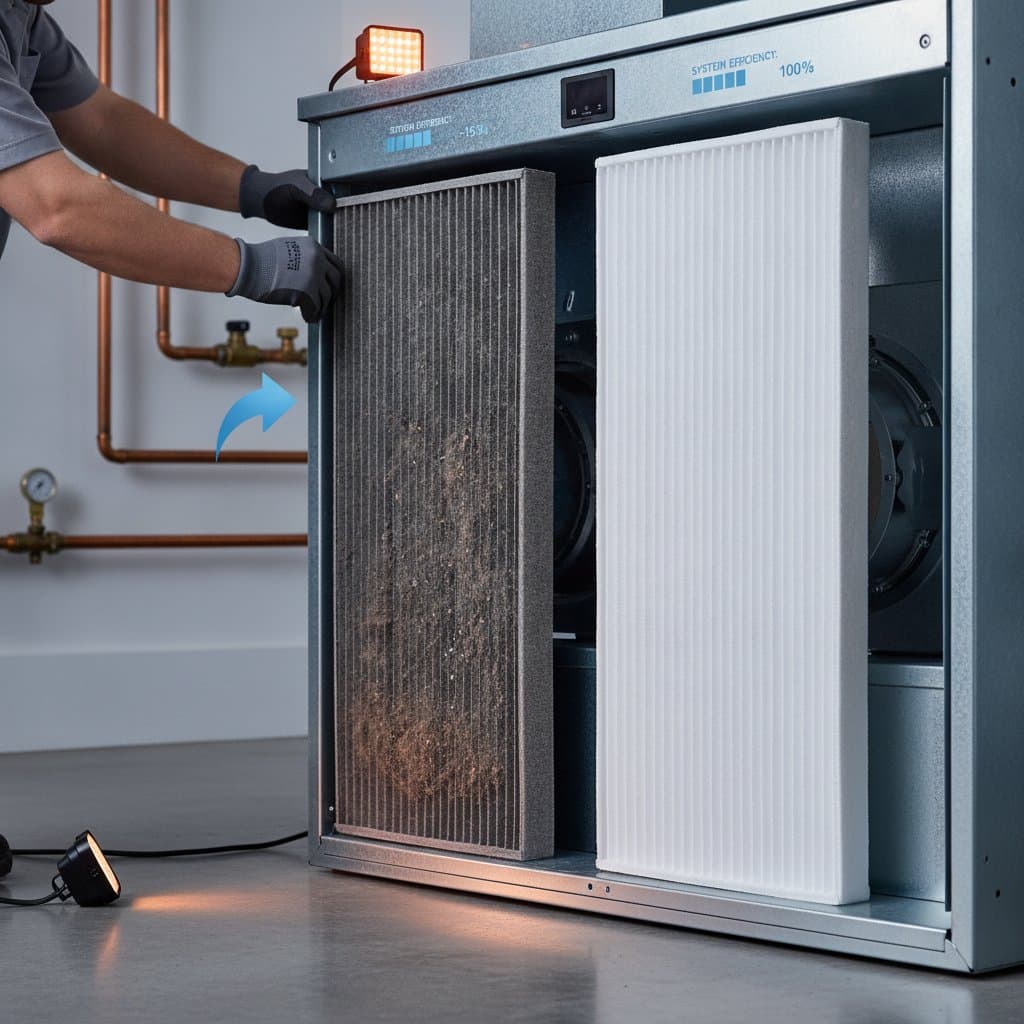
Clean or Replace the Air Filter
Clogged filters limit airflow and increase system strain. Replace disposable filters or clean reusable models every one to three months. Standard filters measure one inch thick, while high-efficiency versions range from two to four inches. A clean filter can lower energy consumption by as much as fifteen percent.
Clear the Outdoor Unit
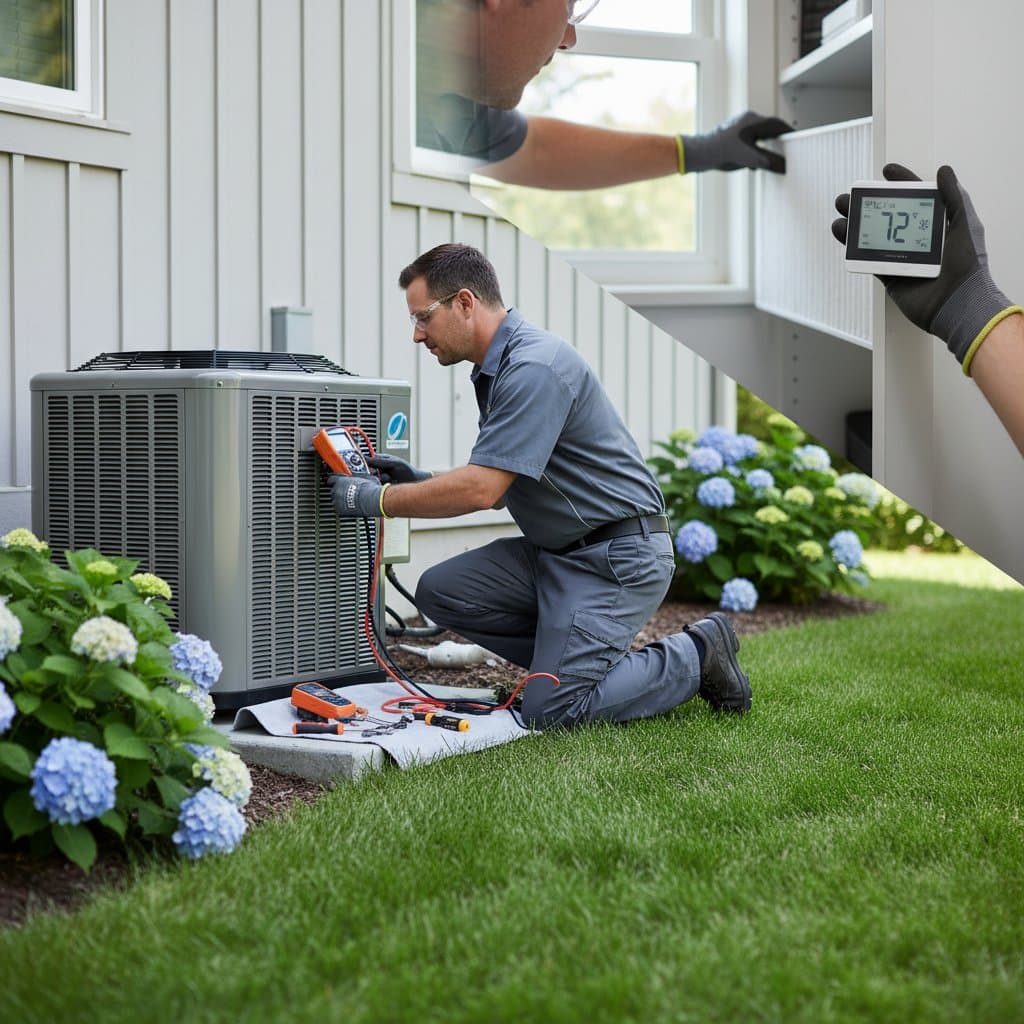
The outdoor condenser coil requires at least twenty-four inches of open space on all sides for adequate airflow. Trim surrounding grass, remove leaves, and gently brush dirt from the aluminum fins. Rinse the coil with a garden hose from top to bottom. Pressure washers should be avoided because they can bend the fins.
Inspect the Thermostat
Switch the thermostat to cooling mode and test several temperature settings. Replace batteries if response lags or the display flickers. Upgrading to a programmable model allows automatic schedule adjustments that can reduce annual energy costs by up to ten percent.
Check Drain Lines and Pans
Condensation lines frequently become blocked by algae or debris. Locate the PVC drain pipe near the indoor unit and flush it with white vinegar followed by water. Confirm that the pan under the evaporator coil remains dry and free of rust. Standing water indicates a blockage requiring immediate attention.
Tighten Electrical Connections
Loose wires or corroded terminals may cause short cycling or blown fuses. Turn off power to the system, remove the service panel, and examine wiring for worn insulation or discoloration. Any sign of melted connectors requires professional service without delay.
Common Mistakes to Avoid
- Skipping preseason maintenance, which risks service delays and higher emergency costs.
- Ignoring airflow restrictions from blocked vents or closed registers. Keep at least eighty percent of vents open.
- Using an incorrect filter size that allows dust to bypass the intended protection.
- Leaving refrigerant lines uninsulated, which wastes cooling capacity.
Situations Requiring Professional Service
Grinding noises, warm air output, or rapid on-off cycling indicate the need for expert evaluation. A qualified technician can measure refrigerant levels, test the capacitor, and confirm overall system performance. A standard tune-up typically costs between one hundred and two hundred dollars depending on system size and location.
Accessibility Considerations
Households with mobility needs benefit from a thermostat installed no higher than forty-eight inches above the floor. Maintain at least thirty-six inches of clear space in front of the indoor unit to allow safe access.
Ongoing Maintenance Practices
Record filter changes, cleanings, and service visits in a log kept near the equipment. Set phone reminders for monthly filter checks during periods of heavy use. Close blinds on sun-exposed windows during daylight hours and operate ceiling fans to distribute cooled air evenly.
Consistent preparation supports reliable cooling throughout the season and reduces the likelihood of unexpected failures. A properly maintained system operates more quietly, removes humidity more effectively, and maintains efficiency even during extreme weather.