Greywater Systems: Costs, Permits, and Savings for 2026 Homes
A typical household sends thousands of gallons of water down the drain each month. Greywater systems capture water from showers, sinks, and laundry for reuse in irrigation or toilet flushing. Homeowners gain lower utility bills, reduced demand on septic systems, and greater resilience during dry periods. This guide explains current costs, permit steps, and design choices that determine success.
Why Greywater Systems Matter
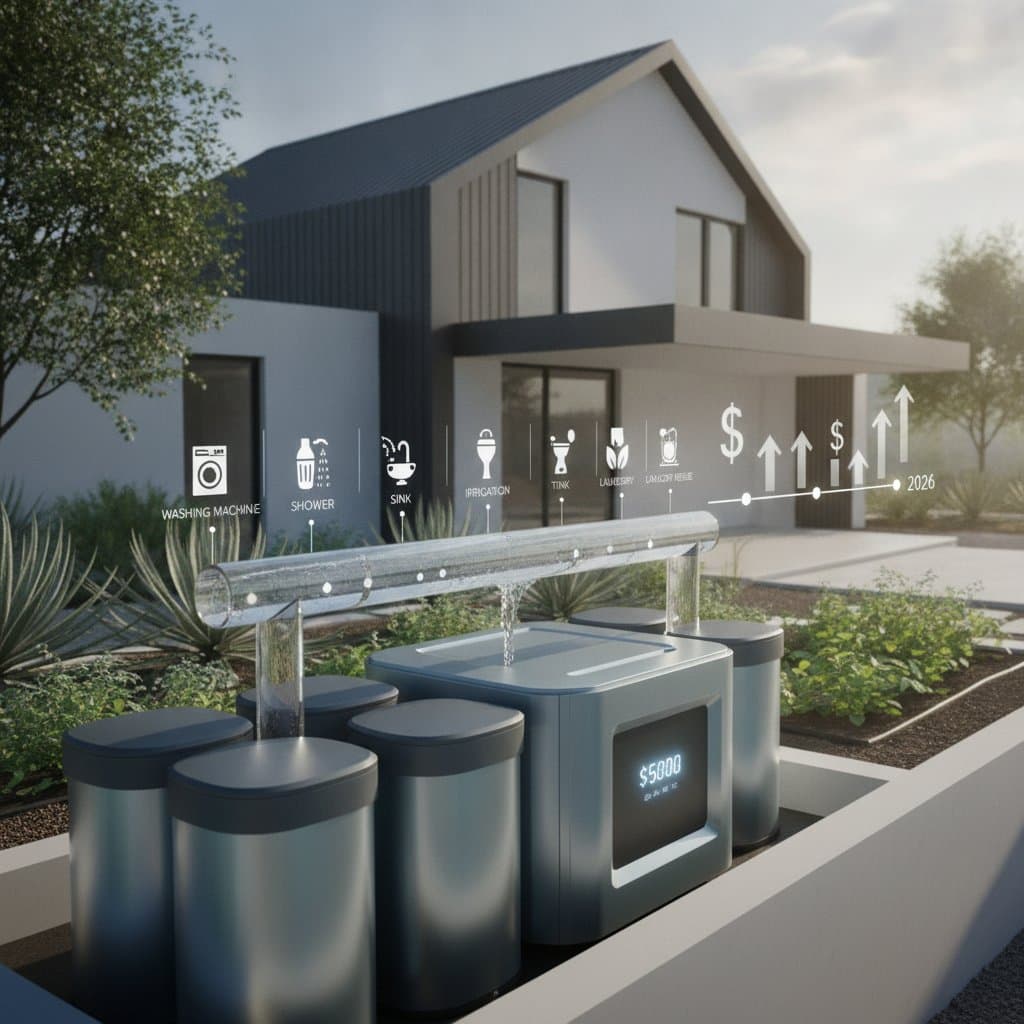
Water scarcity drives many homeowners to capture and reuse lightly soiled water. A correctly sized system can cut total household water use by 15 to 40 percent. For a family averaging 150 gallons per day, annual savings often exceed 20,000 gallons. The same systems ease pressure on municipal treatment plants and keep landscapes healthy without extra irrigation expense.
What Most Homeowners Can Expect
- Basic laundry-only di,200 to 3,000 dollars
- Whole-home system with storage and filtration: 4,000 to 15,000 dollars
- Permit and inspection fees: 100 to 600 dollars
- Payback period: three to seven years in high-rate areas
These ranges reflect 2026 material and labor costs. Actual figures depend on home layout, soil type, and local code requirements.
Two Common System Types
Laundry-to-Landscape Systems
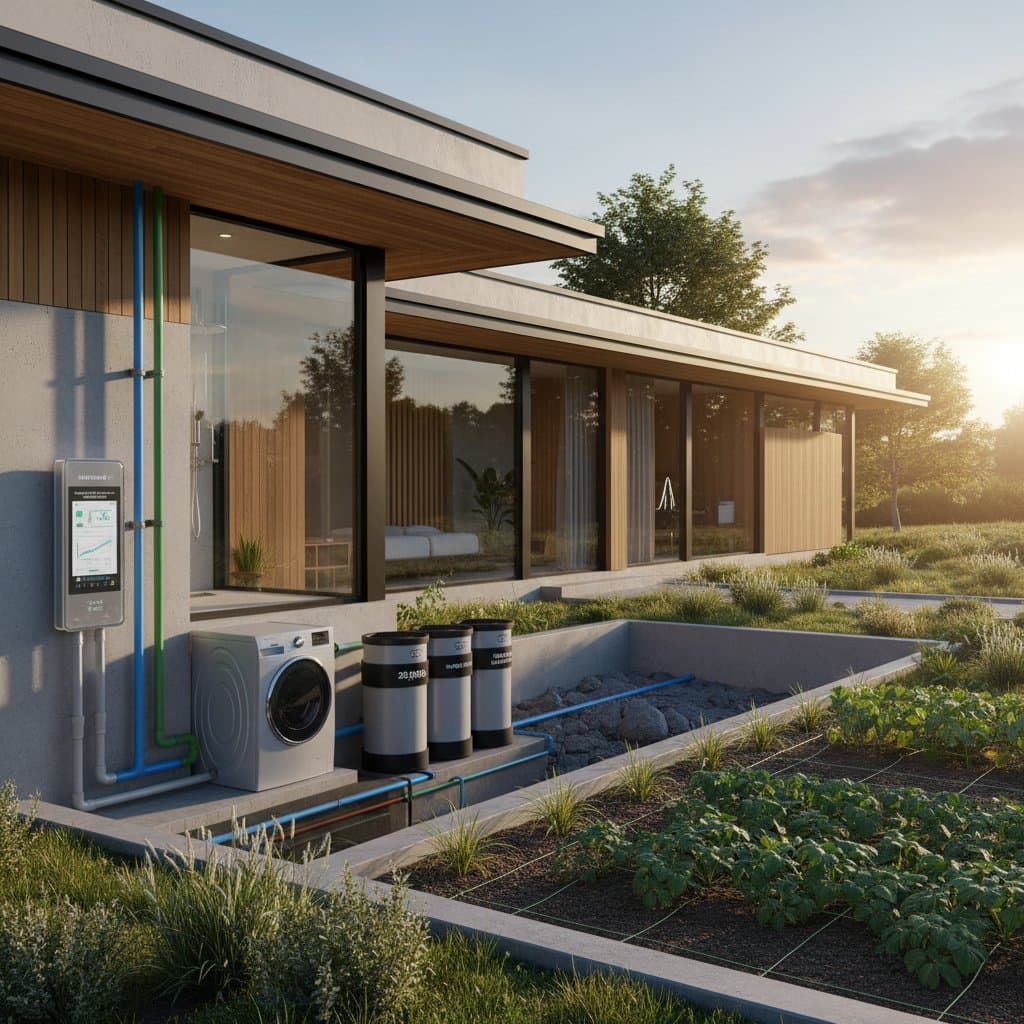
These simple setups route washing-machine water through a diverter valve and subsurface tubing directly to trees or shrubs. Materials typically include a valve, lint filter, and irrigation line. Total installed cost ranges from 900 to 2,500 dollars. Homeowners with basic plumbing tools can complete the work in one weekend, provided local rules allow surface-level connections.
Whole-Home Systems
Larger installations collect water from multiple fixtures, filter it, store it in a tank, and pump it to toilets or drip lines. Required components include separate drain piping, multi-stage filters, a holding tank, and a pump. Professional installation is standard because the work involves new drain lines and backflow prevention. Budget 6,000 to 12,000 dollars for a complete residential setup.
Permit and Code Requirements
Most jurisdictions follow the Uniform Plumbing Code or National Plumbing Code. Submit plans that show every connection, filter location, and discharge point. Install backflow preventers on all potable lines. Discharge must occur below grade, never as spray. Maintain minimum setbacks of two feet from property lines, five feet from buildings, and 100 feet from wells. Inspectors verify pipe slope, labeling, and absence of cross-connections. Operating without a permit risks fines or mandatory removal.
Factors That Influence Final Cost
System type remains the largest variable. Laundry-only designs cost far less than whole-home versions. Multi-story homes or slab foundations raise labor expenses because access to existing drains is limited. Clay soils require additional emitters for even distribution. Upgraded filtration and smart controllers add several hundred dollars but reduce long-term maintenance. Urban permit fees often exceed those in rural counties.
Safety and Accessibility
Place valves and filters no higher than 48 inches from the floor. Equip storage tanks with childproof lids. Households with immunocompromised members should add ultraviolet disinfection. Mark every greywater line and outlet clearly as non-potable water.
Tools for a Basic DIY Installation
- One-inch PVC pipe and fittings
- Pipe cutter and drill
- Manual or automatic diverter valve
- Lint filter and hose clamps
- Shovel for trenching
Maintain a consistent downward slope of one inch per four feet to prevent pooling.
Mistakes That Cause Problems
Never connect kitchen or toilet drains to a greywater line. Avoid surface spraying. Clean filters on schedule to prevent backups. Apply water at rates the soil can absorb. Label every valve and outlet to avoid accidental misuse.
When Professional Help Is Required
Licensed plumbers must handle any work behind finished walls or connections to multiple fixtures. They calculate flow rates, ensure code compliance, and integrate systems with existing irrigation controls. Older galvanized piping also warrants professional assessment.
Ongoing Maintenance
Clean filters every three to six months. Inspect pumps annually. Flush irrigation lines twice each year. Check discharge zones after heavy rain. Replacement filters cost 20 to 50 dollars, and pumps typically last five to ten years.
Next Steps for Homeowners
Begin with a laundry-to-landscape system when quick savings and minimal disruption are priorities. Larger whole-home projects suit new construction or major remodels. Both approaches deliver measurable water reduction and support long-term household sustainability.