Reduce Water Bills Through Greywater: Costs, Permits, and Implementation
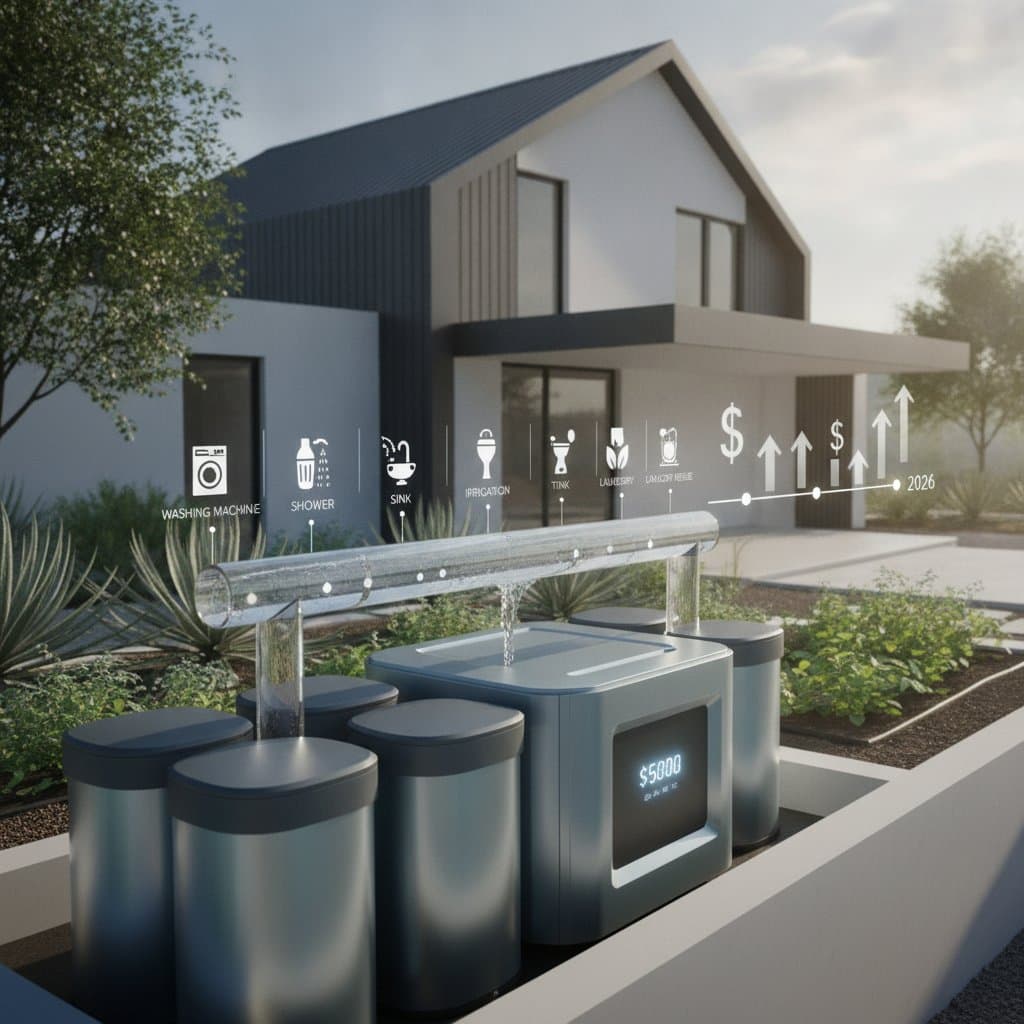
Homeowners seek effective ways to manage rising water expenses, and greywater systems provide a reliable option. These systems collect lightly soiled water from sources such as showers, bathroom sinks, and washing machines, then redirect it for uses like garden irrigation or toilet flushing. This practice decreases reliance on municipal water supplies and delivers substantial reductions in monthly utility costs. Knowledge of installation, upkeep, and regulatory requirements enables informed decisions about suitability for specific properties and financial situations.
Defining Greywater and Its Importance
Greywater consists of wastewater from showers, bathtubs, washing machines, and hand basins, distinct from blackwaterand kitchen sinks. It carries soaps and minor organic materials but lacks sewage, allowing safe reuse for non-drinking applications when properly managed. Effective filtration and distribution ensure it nourishes plants through irrigation or replenishes toilet tanks without damaging vegetation or pipes.
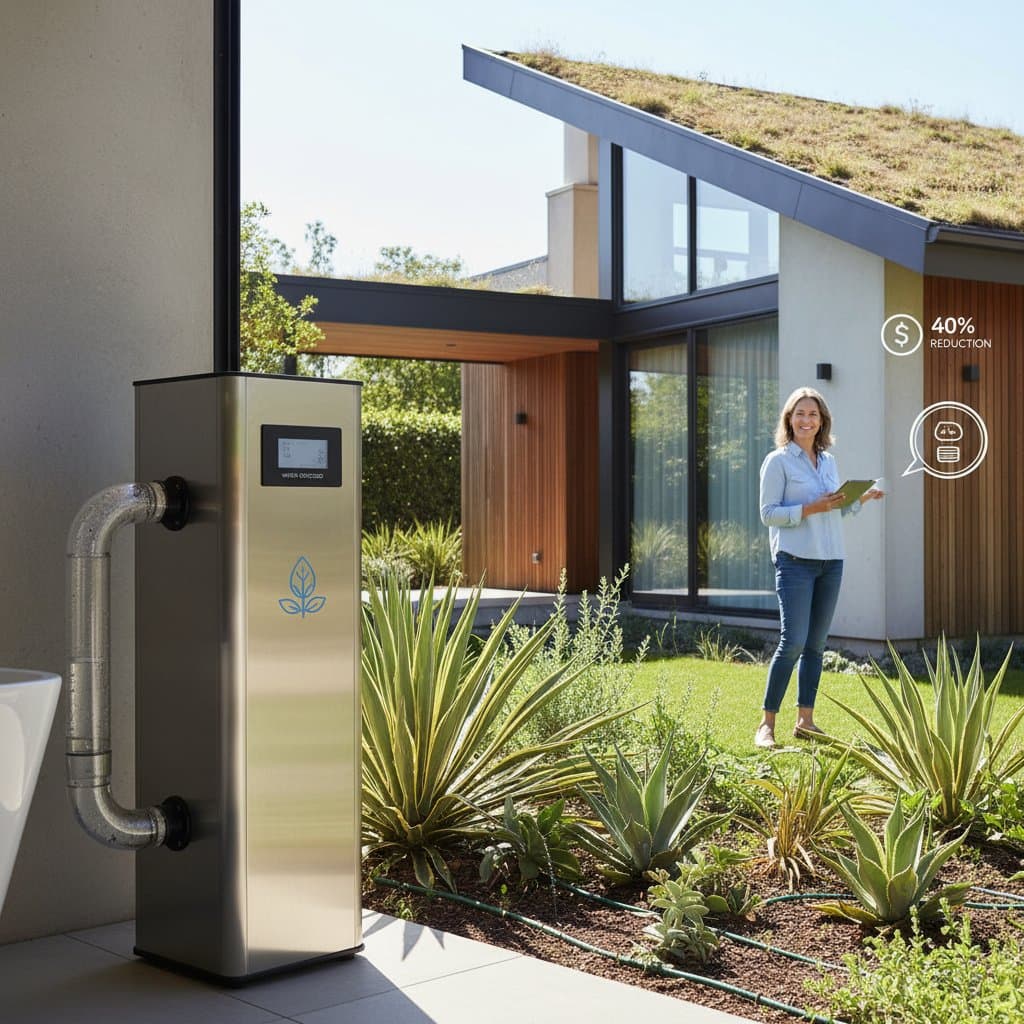
Research highlighted by Green Building Advisor indicates that households with greywater systems achieve up to 40 percent less outdoor water consumption. Such reductions not only decrease utility expenses but also advance broader conservation efforts. As water rates increase across various areas, the investment yields stronger returns over time.
Types of Greywater Systems
Greywater systems differ in design, scale, and operational demands. Selection hinges on intended applications for the recycled water and tolerance for ongoing maintenance.
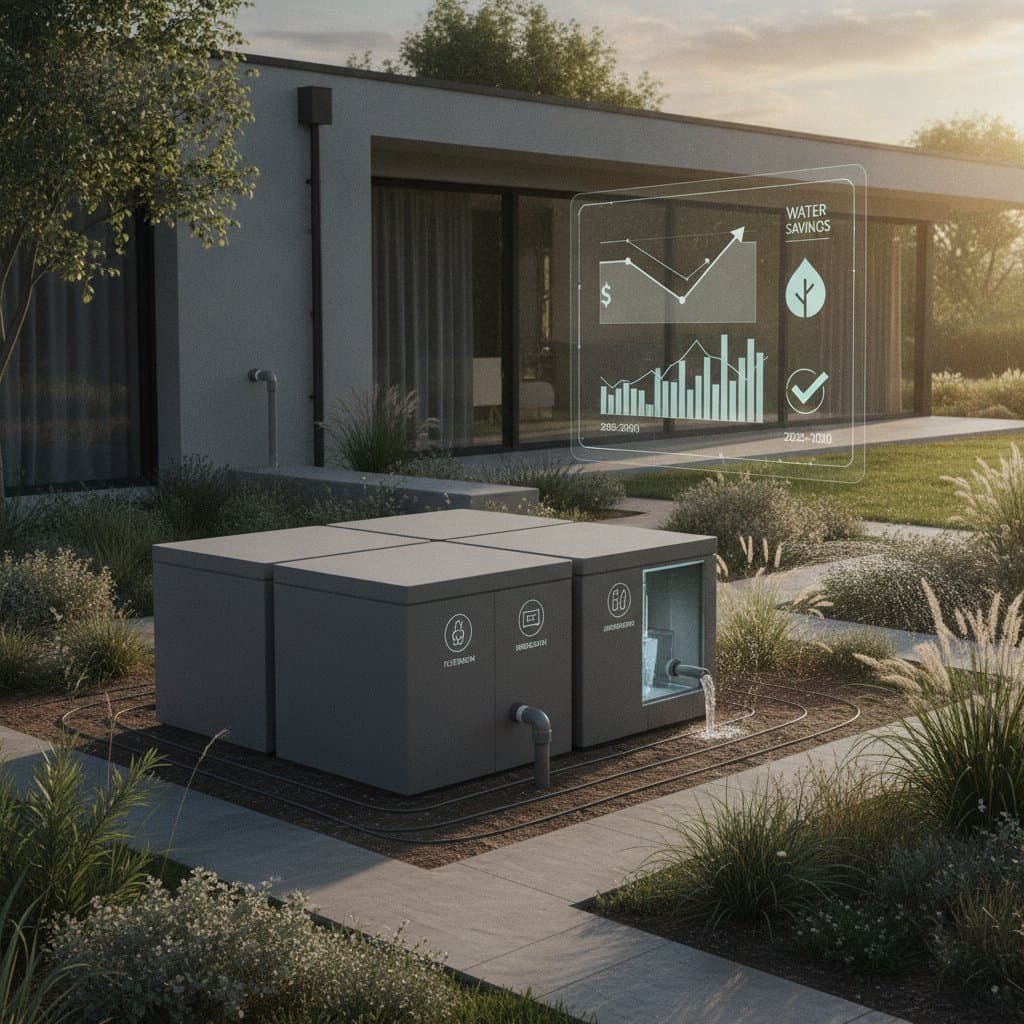
Direct diversion systems represent the most straightforward and economical choice. They channel greywater immediately to outdoor uses without storage, ideal for lawns, fruit trees, and decorative gardens. Basic filtration suffices, and setup expenses remain modest. The primary constraint involves immediate application, as untreated water degrades if stored.
Filter and storage systems incorporate tanks, filters, and pumps to hold and process greywater prior to distribution. These provide greater versatility, supporting toilet flushing or precise drip irrigation. Higher expenses arise from expanded plumbing, tank capacities, and routine servicing needs.
Integrated recycling units employ sophisticated treatment combining biological and mechanical methods. Certain models enable indoor applications, fitting larger homes or multi-unit dwellings. Professional setup and regular evaluations ensure optimal function, though initial costs reflect the advanced capabilities.
Calculating Greywater System Expenses
Overall costs for greywater systems vary based on design, property configuration, regional rules, and installation method, whether self-managed or expert-led.
Direct diversion systems generally range from several hundred to a few thousand dollars, covering essential filters and connections. Self-installation options minimize outlays, provided adherence to plumbing standards through professional oversight where necessary.
Filter and storage systems span a few thousand to multiple thousands of dollars, influenced by tank volume and treatment processes. Additional elements such as pumps, backflow safeguards, and control mechanisms contribute to the total.
Integrated systems, featuring comprehensive treatment and automation, often surpass ten thousand dollars. Despite the premium, they maximize reuse efficiency and dependability.
Post-installation operational expenses prove minimal. Filter maintenance involves periodic attention, while pumps draw little power. Yearly upkeep typically amounts to a few hundred dollars, scaled to equipment and water characteristics.
Navigating Permits and Regulations
Local plumbing and environmental codes govern greywater installations to prevent risks like potable water contamination or improper discharge. Permit processes scale with system complexity, ensuring safe integration.
Common stipulations encompass:
- Permit submission: Detailed plans outline collection, treatment, and dispersal methods.
- On-site verification: Officials or qualified inspectors confirm correct assembly and secure output.
- Backflow safeguards: Devices block reverse flow into drinking water systems.
- Upkeep documentation: Certain jurisdictions mandate records of cleaning and component replacements.
Permit charges remain reasonable relative to enduring savings. Community discussions reveal that modest outdoor-focused systems frequently access streamlined approvals or waivers. Verify specifics via municipal building offices prior to any modifications.
Self-Installation Versus Expert Services
Self-directed installation cuts initial spending but demands caution to avoid errors in plumbing alterations. Separation of household supplies from reuse lines prevents contamination and regulatory breaches.
Scenarios favoring self-installation:
- Limited application to small gardens or turf areas.
- Readily accessible connection points.
- Foundational plumbing expertise.
Instances requiring professionals:
- Inclusion of pumps, storage, or advanced filters.
- Intended indoor utilization.
- Mandated certifications or technical schematics.
Experts craft optimized configurations, manage approvals, and offer guarantees against failures. Insights from Forbes Home suggest that initial higher costs with certified providers avert expensive fixes down the line.
Ensuring Long-Term Upkeep and Efficiency
Consistent attention sustains greywater system performance. Monitor filters for residue accumulation, clean tanks to avert smells or microbial issues, and test pumps for adequate flow. Establish a routine protocol:
- Weekly inspections of filters and discharge points for blockages.
- Monthly flushing of screens and cartridges.
- Yearly professional review of pressure, valves, and overall integrity.
Opt for biodegradable, low-sodium cleaning agents to minimize system strain. Steer clear of bleach or abrasive substances that harm flora and components.
Environmental Gains and Economic Advantages
Greywater adoption yields fiscal benefits through diminished consumption and sewer fees. Savings accumulate notably in regions with progressive rate structures, often trimming outdoor expenses by one-third. Larger households or expansive yards realize hundreds of dollars saved annually.
Environmentally, it eases burdens on treatment plants and aquifers while curbing polluted runoff. Advocates emphasize that widespread residential adoption amplifies community-level impacts on resource preservation.
Available Incentives and Support Programs
Select areas extend rebates or credits for greywater initiatives. Water utilities and governments incentivize conservation via funding for compliant installations. Eligibility typically requires verified professional work and adherence to guidelines, reducing upfront barriers and accelerating cost recovery.
Access details through municipal water departments or utility portals. Review criteria meticulously before equipment acquisition.
Steps to Implement Greywater Recycling
To pursue water bill reductions and efficiency gains, first audit daily household water patterns, focusing on shower and laundry outputs. Match this against irrigation demands for your grounds. A basic diversion setup often delivers quick, tangible results within one growing cycle.
Consult local codes and engage a qualified plumber versed in greywater. Request detailed estimates covering expenses, care protocols, and rebate potentials. For expert involvement, obtain multiple bids to gauge options and inclusions.
Greywater integration serves as both a stewardship practice and prudent investment. Harnessing existing household flows fosters bill relief, public system relief, and a sustainable water framework.