Introduction to Greywater Systems
Greywater systems capture and reuse lightly used household water from sources such as laundry, showers, and sinks for irrigation or other non-potable purposes. These systems divert wastewater away from sewers, reducing freshwater demand and lowering utility costs. In 2026, with rising water prices and environmental concerns, installing a greywater system presents an accessible path to significant savings and ecological benefits.
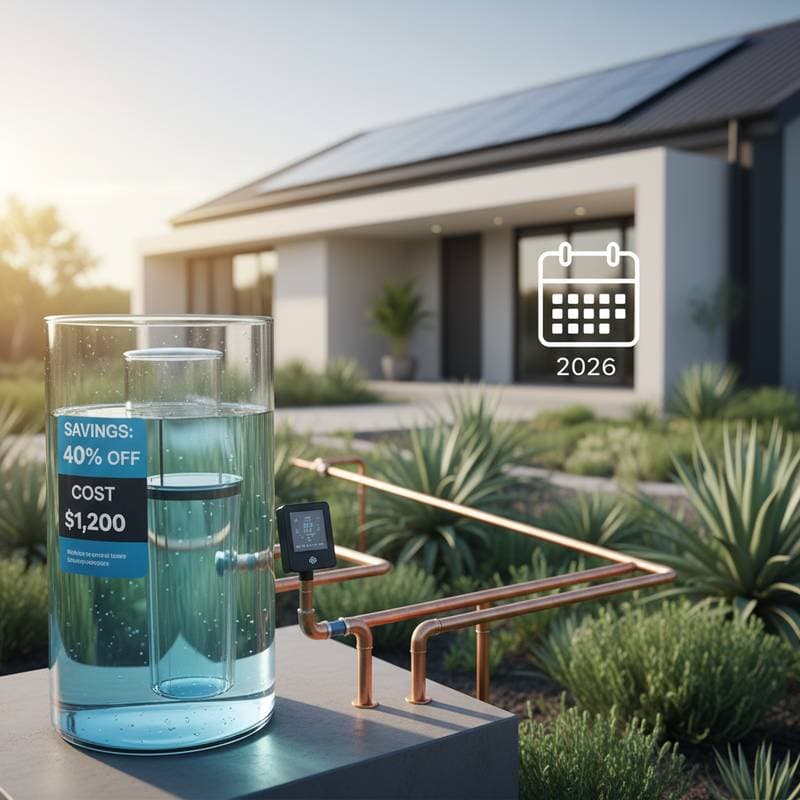
Homeowners can expect to cut water bills by 40 percent or more, depending on household size and usage patterns. Systems range from basic setups costing $700 to advanced installations up to $2,500. Key factors include system scale, local regulations, and whether you opt for DIY or professional help.
Essential Components and Specifications
Effective greywater systems rely on well-chosen components to ensure efficient operation and compliance. Storage tanks typically hold 50 to 200 gallons for small households, while larger homes require 300 to 800 gallons to manage daily output.
Pipe diameters should measure at least 1 inch for gravity-fed designs and 1.5 inches for those using pumps to handle flow volume. Distribution lines demand a slope of 1 to 2 percent to promote steady movement without pooling. Position filter access points within 3 feet of the collection area to simplify cleaning and reduce downtime.
During planning, verify that the system adheres to the Uniform Plumbing Code or local equivalents. Regulations often mandate clear labeling of greywater lines, separation from potable water supplies, and the use of purple piping or tags for identification.
DIY Installation or Professional Expertise?
For a straightforward laundry-to-landscape system, skilled homeowners can complete the project over a weekend. Gather tools including PVC cutters, hose clamps, and a drill to install hoses, diverter valves, and outlet lines, which may take 6 to 10 hours. Incorporate a diverter valve to redirect water to the sewer during cycles with bleach or harsh detergents.
Complex setups involving showers or multiple sinks necessitate professional involvement. These require proper venting, backflow prevention, and pressure regulation to satisfy plumbing codes. Engage a licensed plumber or greywater specialist at rates of $75 to $150 per hour to guarantee compliance and durability.
Pitfalls to Sidestep in Greywater Setup
Thoughtful design prevents common issues that could undermine system performance. Do not combine greywater with kitchen wastewater, as sinks and dishwashers generate blackwater laden with food scraps and grease, leading to clogs and unpleasant smells.
Select detergents carefully; avoid those with high salt or boron content that damage vegetation. Opt for biodegradable, greywater-compatible products. Ensure gravity systems maintain a minimum slope of 1 inch per 8 feet of pipe to sustain flow.
Incorporate filtration to catch debris like hair and lint, avoiding outlet blockages. Distribute water evenly across landscapes using branched lines or drip emitters to prevent over-saturation in single spots.
Addressing these elements upfront minimizes expenses from corrections.
Designing for Accessibility and Safety
Incorporate accessibility features to accommodate household members with mobility limitations. Mount filters and diverter valves at heights between 30 and 42 inches for easy reach, and select lever-operated valves over twist styles.
Prioritize safety through strict separation of greywater from drinking water lines, using air gaps or backflow preventers. For exterior applications, bury distribution lines at least 6 inches underground to shield them from damage and deter pests like mosquitoes.
Ongoing Maintenance Practices
Greywater systems demand routine care to operate efficiently with minimal intervention. Schedule filter cleaning every 3 to 6 months, and conduct annual inspections of lines for blockages or leaks.
Flush storage tanks as sediment accumulates, and evaluate irrigation patterns to verify uniform coverage. Should flow diminish or odors arise, clean the filter immediately and rinse lines with fresh water. Steer clear of chlorine or aggressive chemicals, as they harm beneficial soil microbes.
Detailed Cost Allocation
Breaking down expenses aids in precise budgeting. Piping and fittings account for 10 to 20 percent of total costs, while filters and diverters comprise 15 to 25 percent.
Storage tanks or pumps represent 20 to 35 percent, labor and permits 25 to 40 percent, and electrical components 5 to 10 percent. Permit fees range from $100 to $400 based on location; explore rebate incentives to offset these. Consult your local building authority prior to commencing any work.
Strategies to Lower Costs Effectively
Begin with a modest laundry-focused system and scale up as needed. Leverage existing drain access to cut plumbing expenses significantly.
Bypass storage tanks in favor of direct irrigation methods, which reduce both initial outlay and upkeep. Rely on gravity flow to eliminate pump requirements unless terrain demands otherwise.
Cluster fixtures like showers and laundry along shared walls to shorten pipe runs and simplify installation.
Scenarios Where Professionals Add Value
Certified installers provide assurance of code adherence and safe functionality. They can tailor irrigation designs to specific soil conditions; for instance, adjust emitters for rapid absorption in sandy soils versus slower penetration in clay.
Partner with a greywater specialist to secure rebate paperwork and pass inspections effortlessly.
Enduring Advantages for Home and Planet
Beyond immediate savings, greywater systems conserve resources by recycling 30 to 50 percent of household water usage. This practice eases strain on municipal supplies and lessens wastewater treatment demands.
Environmentally, reused water nourishes landscapes without depleting freshwater reserves, supporting biodiversity and reducing erosion. For homeowners, reliable systems enhance property value through sustainable features and yield ongoing bill reductions.
Steps to Implement Your System
Assess your water usage and landscape needs to select the right scale. Research local codes and rebates, then decide on DIY or professional routes based on complexity.
Gather materials, secure permits, and install with precision. Monitor performance post-setup and maintain diligently to maximize returns. With careful execution, a greywater system delivers lasting efficiency and environmental stewardship.