What Homeowners Need to Know About Smart Appliance Coverage
Smart appliances integrate seamlessly into modern households, linking routine chores to smartphone applications, voice controls, and cloud services. Devices such as inventory-tracking refrigerators, remotely operable washers, and adaptive thermostats streamline operations and boost efficiency. However, these advancements complicate warranty matters, as conventional protections target hardware malfunctions rather than digital disruptions. Grasping the mechanics of smart appliance coverage safeguards investments and preserves tranquility.
The Growing Importance of Coverage for Connected Devices
With an increasing number of gadgets linking to home networks, vulnerabilities extend beyond physical components to include software and connectivity elements. For example, a smart oven may halt due to a faulty sensor, while a networked dishwasher might cease functioning following a firmware upgrade. Manufacturer warranties typically address tangible defects but frequently omit network-related breakdowns or security incidents.
Homeowners commonly encounter these shortcomings when digital faults arise outside standard terms. This realization has prompted warranty providers to develop targeted plans for Internet of Things devices, bridging the divide between physical and virtual protections.
What Smart Appliance Coverage Typically Includes
These policies balance hardware reliability with digital functionality. Although specifics differ across providers, comprehensive plans generally encompass:
- Mechanical and electrical breakdowns, including motors, compressors, and circuit boards.
- Software or firmware errors that impair device performance.
- Connectivity problems involving Wi-Fi adapters, sensors, or central hubs.
- Repairs or replacements for integrated smart components.
- Assistance with application setup, integration troubleshooting, or system reboots.
Certain insurers now extend these benefits to encompass full IoT ecosystems. Services may involve virtual diagnostics or swift exchanges for defective networked parts, ensuring minimal downtime.
What Coverage Rarely Includes
Despite broader scopes, policies maintain boundaries to manage risks. Review terms meticulously to anticipate limitations. Typical exclusions cover:
- Mistakes from users, such as installing unverified software updates.
- Security violations impacting data integrity or device access.
- Routine deterioration not tied to intelligent features.
- Surface-level impairments, like superficial marks, that do not hinder operation.
Additionally, providers often disclaim responsibility for external factors, such as unstable home routers or service outages from internet suppliers. A case in point: if a network lapse blocks a smart cooktop from receiving patches, resolution may rest with the user.
Comparing Manufacturer Warranties and Home Warranty Plans
Factory warranties generally span one year, focusing on labor and parts for usage-related defects. Post-expiration, owners face full repair bills unless they opt for extensions.
In contrast, home warranty agreements provide expansive safeguards across appliances, both conventional and advanced. Their advantage lies in comprehensive application: a single contract might shield a smart fridge alongside a linked laundry unit.
Opting for such integrated plans can reduce out-of-pocket expenses by significant margins, particularly for households with multiple connected items. This unified approach simplifies management and amplifies cost efficiency.
DIY Repairs vs. Professional Service
Addressing issues in smart devices demands technical expertise, especially concerning embedded code or detection systems. Self-initiated repairs risk invalidating protections, particularly for intricate elements.
Basic tasks, including reestablishing Wi-Fi links or clearing control interfaces, pose little hazard for capable individuals. More complex scenarios necessitate expert intervention to avoid escalation.
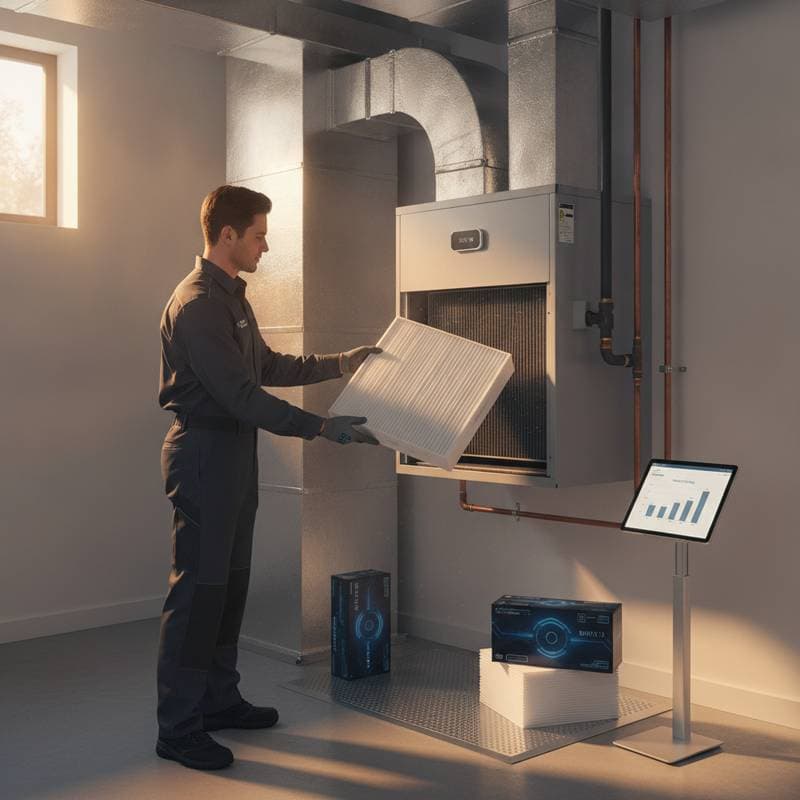
Qualified service personnel utilize proprietary tools, access restricted diagnostics, and source authentic components unavailable elsewhere. They also verify alignment with current firmware versions. Many warranty arrangements facilitate connections to these professionals, streamlining access to dependable solutions.
Cost Considerations and Budget Planning
Expenses for smart appliance safeguards fluctuate with device quantity, category, and vintage. Monthly add-ons for individual units start low, while comprehensive packages for several items may reach higher annual figures. Integrating into a full-home contract often dilutes per-device rates.
Evaluate options using these criteria:
- Replacement expenses: Advanced models command premium prices upon failure.
- Update dependency: Frequent digital refreshes heighten the value of ongoing support.
- Service availability: Brand restrictions on external fixes underscore the need for vetted networks.
- Efficiency perks: Certain policies guarantee performance standards, potentially trimming energy costs.
Preparing for Coverage Claims
Claims for intelligent devices diverge from routine processes, often requiring evidence like system logs or fault indicators. Retain app connectivity and update histories to expedite approvals. Remote-enabled units allow providers to perform preliminary assessments upon submission.
Compile essential records, including proof of acquisition, setup records, and prior vendor interactions. Such preparation confirms qualification and accelerates resolutions.
Cybersecurity and Privacy Considerations
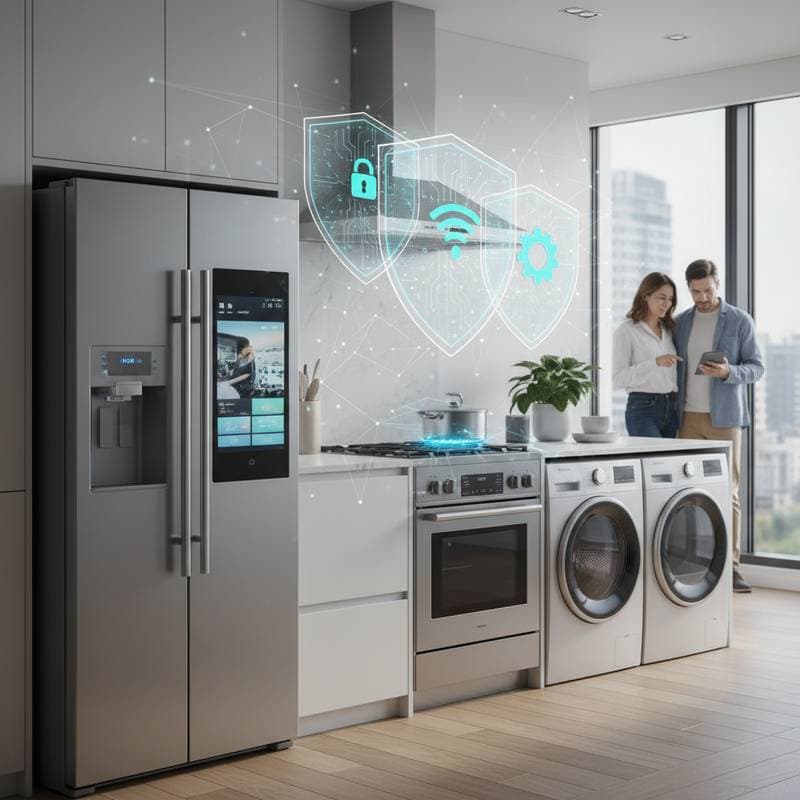
These appliances gather insights on habits, settings, and operations to refine user experiences. This data flow raises safeguarding issues. Forward-thinking policies incorporate defenses against breaches, aiding recovery from incidents like unauthorized access or encryption attacks.
Select agreements with robust data safeguards. These elements address restoration expenses or reconfiguration needs following digital threats, enhancing overall security.
Building a Smarter Coverage Strategy
Adopt a multifaceted defense by layering factory guarantees with supplemental extensions and IoT-inclusive home plans. This combination addresses diverse failures, from minor component glitches to network-wide interruptions.
Bolster resilience through routine firmware checks, robust authentication, and optimized network configurations. Proactive habits curb incidents and simplify any required interventions.
Maintaining Your Investment
Advanced appliances deliver enhanced comfort, streamlined routines, and forward-thinking features to contemporary residences, though they carry distinct hazards. Mastery of protection frameworks empowers owners to oversee expenses and sustain seamless performance. Prioritize thorough records, judicious selections, and equilibrium between personal upkeep and expert aid for optimal outcomes.