Greywater System Costs and Permits for Sustainable Homes
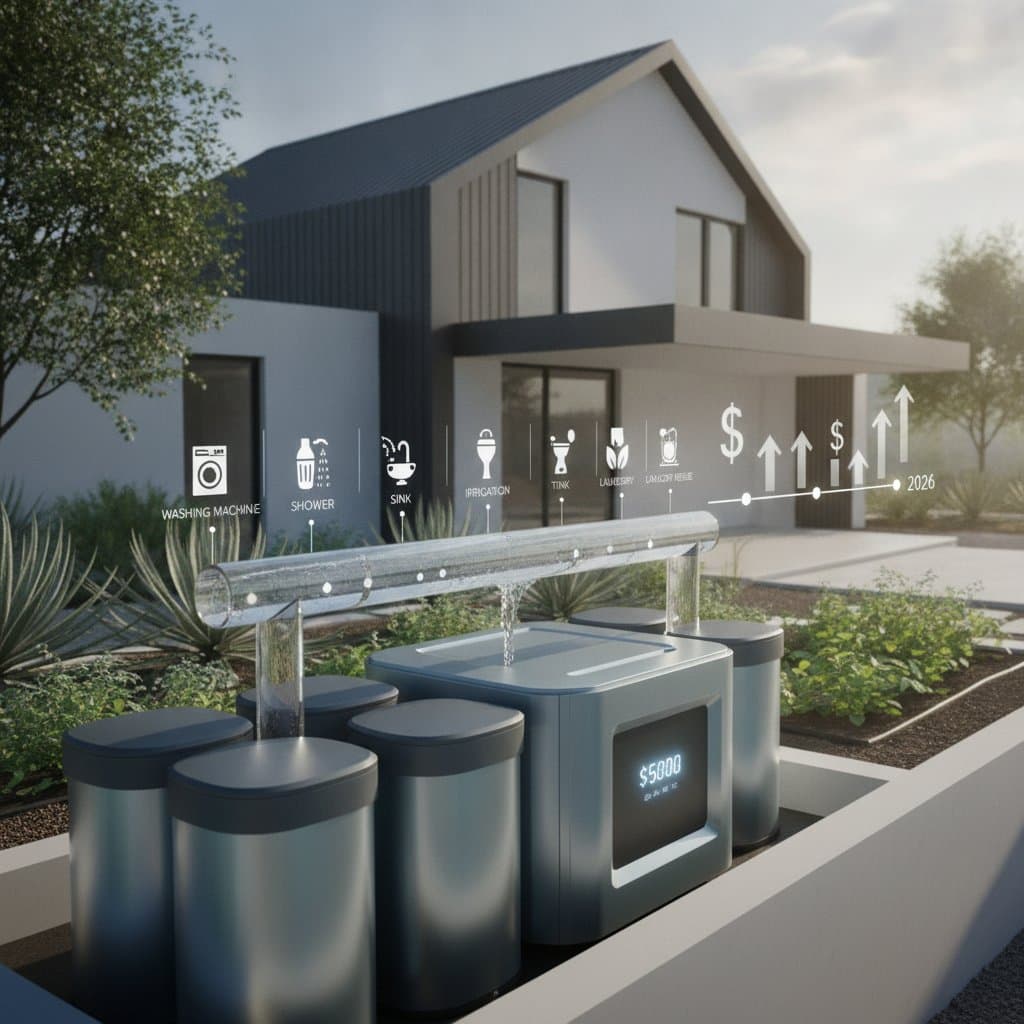
Greywater systems enable homeowners to reuse water from showers, sinks, and laundry for irrigation or toilet flushing. These setups cut water waste, reduce utility bills, and promote sustainable home practices. Installation and maintenance expenses hinge on property size, system type, and local rules for water recycling. Grasping pricing details and permit processes equips homeowners to plan this eco-friendly upgrade effectively.
Greywater Cost Fundamentals
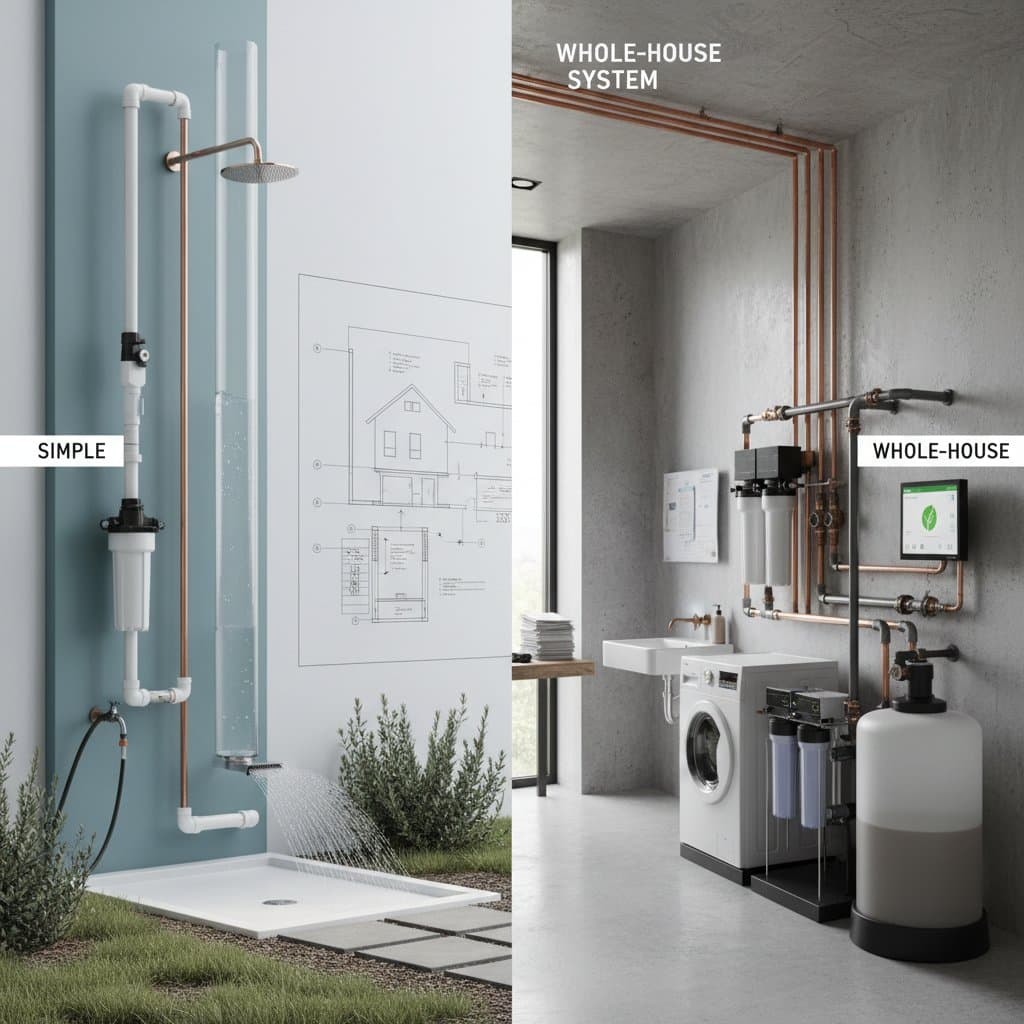
Nationwide, residential greywater system installations average $2,000 to $10,000, scaled by system intricacy. Basic setups that route washing machine outflow to garden lines start at $500 to $2,000. Whole-house versions with filtration and storage climb to $8,000 or more.
Location plays a key role in expenses. In drought-prone Southwest regions like California or Arizona, costs rise 20 to 30 percent from elevated demand and rigorous codes. Wetter areas such as the Pacific Northwest see lower figures, often under $5,000 for mid-tier systems. Urban centers add premiums for labor, reaching $150 per hour, whereas rural spots benefit from $75 to $100 rates but face installer scarcity.
Timing impacts budgets too. Peak dry seasons spike demand, adding 10 to 15 percent to quotes. Broader factors, including steel price surges or skilled labor deficits, can adjust totals by hundreds of dollars.
Pricing Models and Structures
Installers apply diverse billing approaches. Hourly charges for certified plumbers span $75 to $150, varying with expertise and locale. Flat rates suit routine jobs, bundling parts and work into one figure.
For custom integrations across multiple fixtures, project-based fees prevail. Contractors assess site specifics before quoting, ensuring transparency. Bundled options combine planning, setup, and compliance checks, simplifying financial forecasts with a unified cost.
Maintenance plans provide ongoing value. Annual contracts, priced at $200 to $500, handle filter swaps, cleanings, and checks to sustain efficiency and meet codes.
Service Tiers and Their Price Points
Systems segment into tiers by sophistication and scale.
Basic Systems:
These divert laundry water directly outdoors with basic plumbing tweaks and no tanks. Expect $500 to $2,000, ideal for small yards needing simple irrigation.
Standard Systems:
Collecting from showers and sinks, these incorporate basic filters for debris and soaps. Prices range $3,000 to $6,000, balancing reuse capacity with professional setup.
Premium Systems:
Featuring tanks, advanced pumps, and sensors for full-home coverage, these automate distribution. Costs hit $7,000 to $12,000, suiting larger properties with monitoring needs.
Specialized Systems:
Tailored for estates or multi-family units, these demand custom engineering and permits. Budgets exceed $15,000, delivering substantial savings and code adherence.
Key Variables Influencing Greywater Pricing
Multiple elements shape overall outlay.
- Project Scope: Linking extra sources like bathrooms multiplies piping and labor by 50 percent or more.
- System Complexity: Sophisticated filters and pumps add $1,000 to $3,000 in gear and skills.
- Installation Timeline: Day-long basic jobs contrast with week-long overhauls, inflating labor.
- Materials Quality: Durable stainless tanks outprice plastic by $500 to $2,000 but endure decades.
- Site Factors: Sloped terrain or buried lines extend digging time, boosting costs 20 percent.
Add-on Services and Supplemental Charges
Anticipate extras that enhance functionality.
- Filtration Enhancements: Multi-layer or UV units tack on $500 to $1,500 upfront, plus $100 yearly upkeep.
- Storage Solutions: Tanks expand volume at $1,000 to $4,000, including site prep.
- Automation Features: Sensors for moisture or weather integration cost $800 to $2,000 in tech and setup.
- Priority Scheduling: Off-season rushes incur 15 to 25 percent surcharges for expedited crews.
Permits and Regulatory Considerations
Local agencies mandate approvals for greywater projects. Fees span $100 to $1,000, tied to system scale. Basic diversions need simple plumbing nods; complex ones require health reviews and tests.
Regulations safeguard against contamination of drinking water and uphold eco-standards. Submit designs detailing flows, treatments, and outlets. States like Texas or Colorado grant rebates up to $2,000 for compliant installs, easing permit burdens.
Partner with code-savvy pros to sidestep pitfalls. Data from water management groups shows 40 percent of denials stem from paperwork gaps or subpar components. Certified teams streamline approvals and cut rework expenses.
Economic and Environmental Impact
These systems repurpose 30 to 50 percent of home wastewater, slashing bills by $200 to $500 yearly. The Water Research Foundation reports 35 percent drops in landscape watering for typical households.
Environmentally, they ease municipal sewer loads and preserve aquifers. In arid zones, greywater bolsters drought resilience, cutting reliance on imported supplies. Payback periods average five to seven years via savings and home value gains of 2 to 5 percent.
Choosing the Right Provider
Vet installers for licenses in plumbing and eco-design, plus permitting familiarity. Examine portfolios for similar scales and verify warranties covering parts and labor for five to ten years.
Top firms offer hands-on training for upkeep, like quarterly filter rinses. Many integrate apps for real-time usage tracking and alert systems.
Planning Your Greywater Investment
Weigh costs against enduring gains in efficiency and sustainability. Detail budgets with tier comparisons and incentive hunts to align with home needs. This step turns water conservation into a resilient, value-adding asset.