Understanding 2026 Permeable Driveway Costs and Benefits
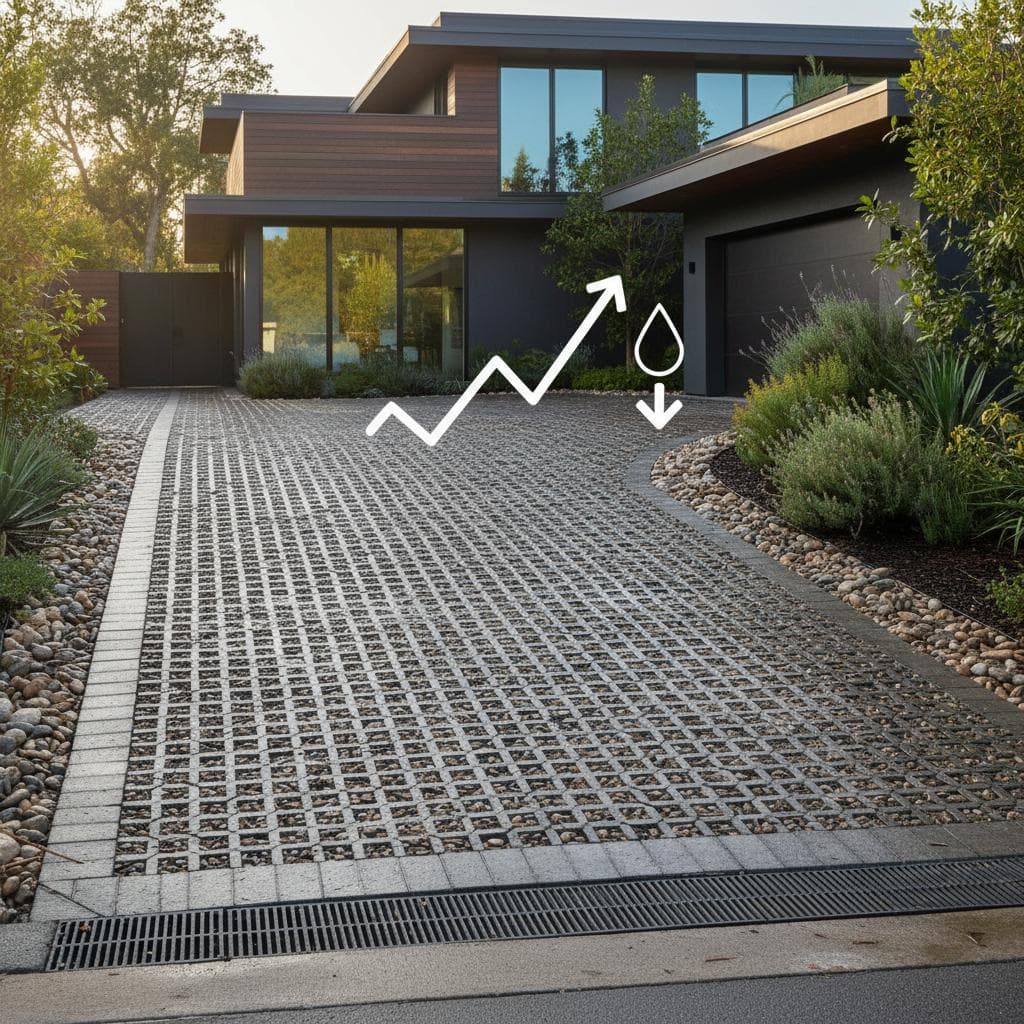
Homeowners face significant expenses when constructing or renovating driveways. Traditional options like concrete or asphalt dominate, yet permeable pavement systems gain prominence for their environmental advantages. These surfaces facilitate natural stormwater infiltration, curb runoff, replenish groundwater, and maintain structural integrity alongside attractive aesthetics.
Costs for permeable driveways vary based on multiple elements, including material choices and site conditions. Homeowners benefit from dissecting these expenses to align financial plans with ecological objectives.
Cost Breakdown and Comparisons
Standard driveway installations with concrete or asphalt incur moderate to substantial costs, influenced by dimensions and depth. Permeable alternatives generally range from 10 to 25 dollars per square foot for full installation. Factors such as material type, groundwork requirements, and labor involvement—whether professional or incorporating DIY elements—shape this spectrum.
Consider this detailed comparison of common permeable materials, including installed costs per square foot, expected lifespan, and upkeep demands:
| Material Type | Estimated Installed Cost | Expected Lifespan | Maintenance Level |
|---|---|---|---|
| Gravel with stabilizing grid | 6 to 12 dollars | 10 to 15 years | Moderate |
| Permeable interlocking pavers | 15 to 25 dollars | 20 to 30 years | Low |
| Porous asphalt | 10 to 18 dollars | 20 years | Moderate |
| Permeable concrete | 12 to 20 dollars | 25 to 30 years | Moderate |
Although upfront costs exceed those of conventional driveways, permeable options yield substantial long-term economies. Reduced municipal stormwater charges, minimized drainage complications, and decreased repair needs often recoup the premium within a decade.
Key Environmental and Economic Advantages
Permeable pavement excels in stormwater control by permitting rainfall to percolate through the surface into the subsoil. This mechanism traps contaminants, mitigates soil erosion near driveways and landscapes, and supports healthier water cycles.
Municipalities frequently impose fees tied to impervious coverage on properties. Switching to permeable designs can decrease these assessments by 10 to 30 percent, yielding annual financial relief. Additionally, such systems lower flood risks at entryways and garages, averting expensive water damage to foundations or interiors.
Beyond finances, permeable driveways advance broader sustainability goals:
- They replenish local aquifers, ensuring stable water resources.
- Filtration reduces nutrient pollution that fosters harmful algal growth in waterways.
- Lighter surfaces, like certain pavers, deflect solar radiation, cooling urban environments.
- Enhanced soil hydration benefits surrounding vegetation and wildlife habitats.
Qualifying installations may access incentives, such as tax credits from green building initiatives or reimbursements from regional water authorities. Homeowners should consult local programs to maximize these opportunities.
Selecting a Qualified Installer
The success of a permeable driveway hinges on expert execution. Prioritize contractors accredited by organizations like the Interlocking Concrete Pavement Institute, particularly those versed in sustainable infrastructure. Review portfolios of prior permeable projects and verify adherence to standards for sub-base preparation and drainage integration.
Pose these targeted questions to prospective installers:
- Which base materials do you recommend for my soil type and climate?
- How do you address edge drainage to prevent pooling or overflow?
- What routine maintenance protocols do you suggest for longevity?
- Can you guide me through applicable local incentives or rebates?
Insist on documentation of proper compaction techniques and infiltration testing post-installation. These steps safeguard against premature settling, blockages, or performance shortfalls.
Essential Maintenance Practices
Sustained care preserves the functionality and appearance of permeable driveways. Schedule biannual inspections to clear debris from joints and confirm unobstructed water flow. Employ a stiff-bristled broom or low-pressure washer for surface cleaning, avoiding harsh chemicals that could impair permeability.
Address sediment buildup promptly by vacuuming or using permeable-specific sweepers. In regions with heavy leaf fall or pollen, implement permeable geotextile barriers during installation to simplify future upkeep. Annual professional assessments ensure the system operates at peak efficiency, extending its service life.
Realizing Lasting Value Through Permeable Choices
Opting for a permeable driveway represents a strategic investment in resilience and responsibility. Homeowners enjoy seamless drainage, fiscal prudence, and landscapes that flourish amid variable weather. As 2026 approaches, these systems offer a forward-thinking solution that harmonizes practicality with planetary stewardship.