Understanding Greywater Systems: Costs, Permits, and Savings
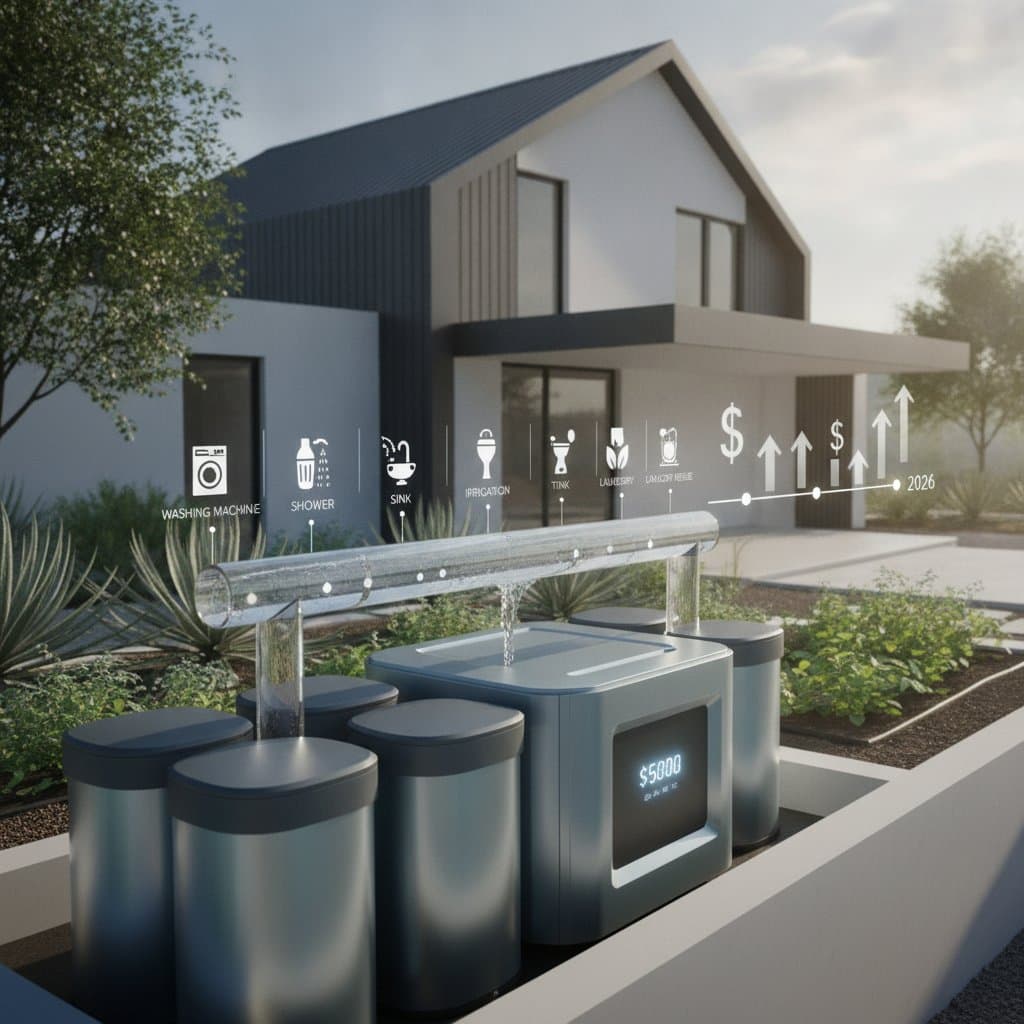
Greywater refers to lightly used water from household sources such as showers, laundry machines, and bathroom sinks. Recycling this water for irrigation or other non-potable uses eases pressure on municipal supplies and lowers utility expenses. In regions facing water scarcity or stricter regulations, these systems offer a practical solution for homeowners committed to conservation.
This guide provides a detailed overview of installation options, permit requirements, ongoing costs, and potential returns. Homeowners gain the tools to evaluate systems that align with their needs and local rules, ensuring compliance while achieving measurable benefits.
Selecting and Installing Greywater Systems
Costs for greywater systems vary based on complexity, household size, and intended applications. Simple setups focus on diverting untreated water directly to outdoor areas, while sophisticated models incorporate treatment for broader reuse.
Basic diversion systems, which rely on gravity or minimal pumping to irrigate landscapes, range from $800 to $2,000 including materials and installation. These options suit smaller properties where water flows to gardens or trees without advanced processing.
Treatment-inclusive systems, featuring filtration, sedimentation tanks, and sometimes UV disinfection, cost $3,000 to $8,000. Such setups ensure safer water quality for subsurface irrigation and require professional installation to meet health standards.
For comprehensive whole-home solutions that repurpose greywater for toilet flushing alongside irrigation, expect $10,000 or more, particularly in retrofits. New construction integrates these features more affordably, often under $8,000, by aligning with initial plumbing designs.
Professional installation guarantees adherence to 2026 permit guidelines, which emphasize backflow prevention and soil percolation tests. DIY approaches save on labor but demand thorough research into local codes to avoid fines or rework.
Navigating Permit Requirements in 2026
Most jurisdictions now mandate permits for greywater installations to protect public health and groundwater. Expect to submit detailed plans showing system layout, water quality measures, and discharge locations.
Application fees typically range from $100 to $500, with processing times of 4 to 8 weeks. Inspections verify compliance with updated standards, such as separating greywater from blackwater and limiting reuse to non-edible plants.
In drought-prone areas, incentives like rebates up to $1,000 may offset costs for approved systems. Consult local building departments early to identify site-specific rules, such as setback distances from wells or property lines.
Annual Maintenance Essentials
Effective greywater systems demand consistent upkeep to prevent contamination and ensure longevity. Regular tasks include inspecting components for wear and verifying flow efficiency.
Filter cleaning or replacement occurs every 3 to 6 months, costing $50 to $150 annually. Pumps and valves require yearly professional checks, adding $100 to $200 depending on system scale.
Tanks benefit from quarterly flushing to eliminate sediment and odors. Homeowners track these activities in a dedicated log, scheduling alerts to maintain peak performance and avoid costly repairs.
Neglecting maintenance can lead to bacterial growth or blockages, potentially requiring full system overhauls at $1,000 or more. Partnering with certified plumbers for seasonal services minimizes risks and preserves warranty coverage.
Calculating Realistic Savings
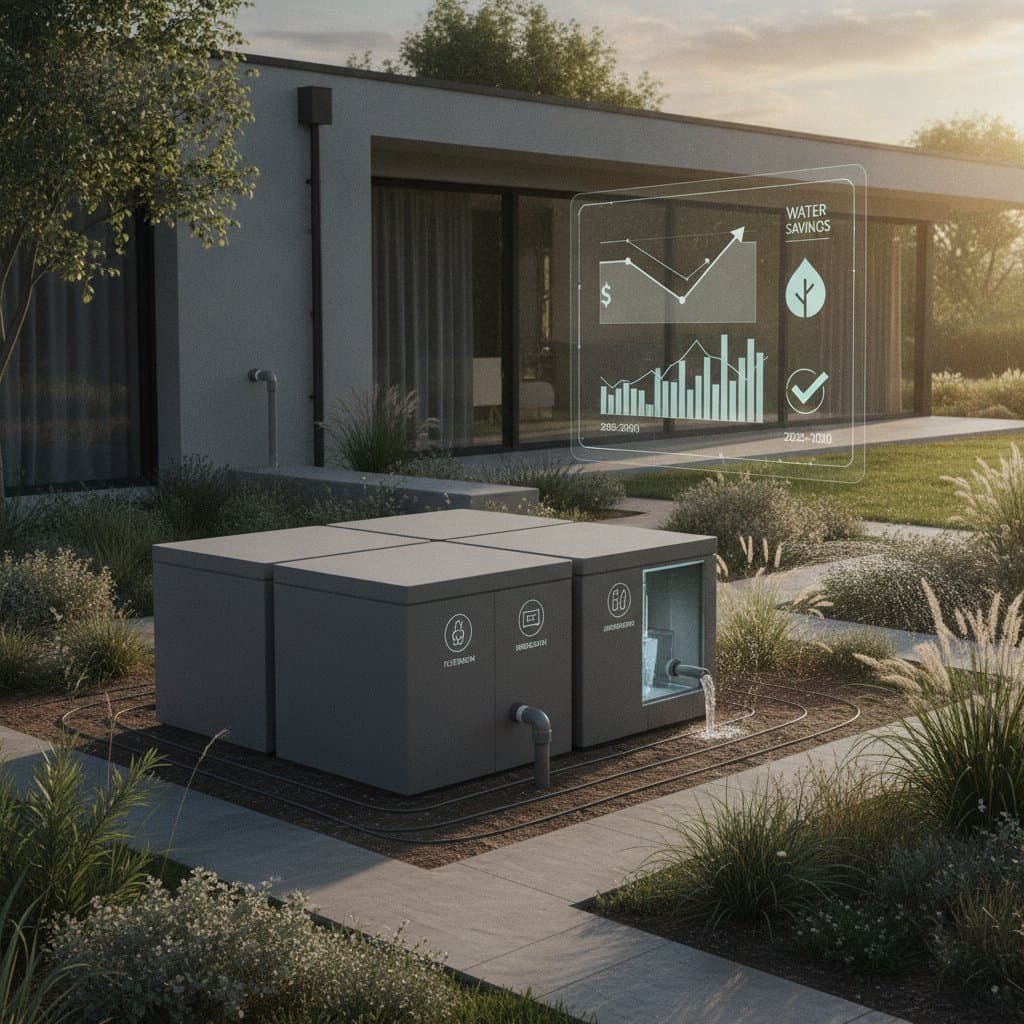
Greywater systems typically cut indoor water use by 25 to 40 percent, translating to direct reductions in monthly bills. Savings scale with household consumption and regional rates, often recouping initial investments within 3 to 5 years.
For a four-person household averaging $100 monthly on water, efficient reuse yields $25 to $40 in savings per bill cycle. Over a decade, this accumulates to $3,000 to $4,800, excluding rebates or rising utility prices.
Outdoor applications amplify benefits in arid climates, where irrigation accounts for 50 percent of usage. One family reported halving landscape watering needs, sustaining greenery through summer restrictions without supplemental sources.
Track savings by monitoring pre- and post-installation meter readings. Adjust habits, like running full loads in appliances, to optimize greywater volume and enhance financial returns.
Broader Impacts on Home and Environment
Beyond economics, greywater adoption fosters water security and ecological balance. It alleviates septic system loads by 30 percent and reduces wastewater volume sent to treatment facilities.
During shortages, recycled water sustains landscapes without tapping potable supplies, building household resilience. Gardeners appreciate the nutrient-rich flow that supports soil health and plant vitality.
Many users report heightened awareness of consumption patterns after installation. Simple shifts, such as shorter showers, compound system efficiency and encourage broader conservation practices.
Sustaining System Performance Over Time
Longevity hinges on diligent care and periodic upgrades. Document all maintenance and permit records to demonstrate value during home sales, appealing to sustainability-focused buyers.
Systems endure 10 to 15 years with proactive monitoring, yielding compounded savings and reduced environmental footprints. Upgrade filters or controls as technology advances to sustain efficiency.
Evaluate your setup annually against evolving needs, such as expanding irrigation zones. This approach ensures greywater remains a cornerstone of affordable, eco-friendly living.