What Are Greywater Systems?
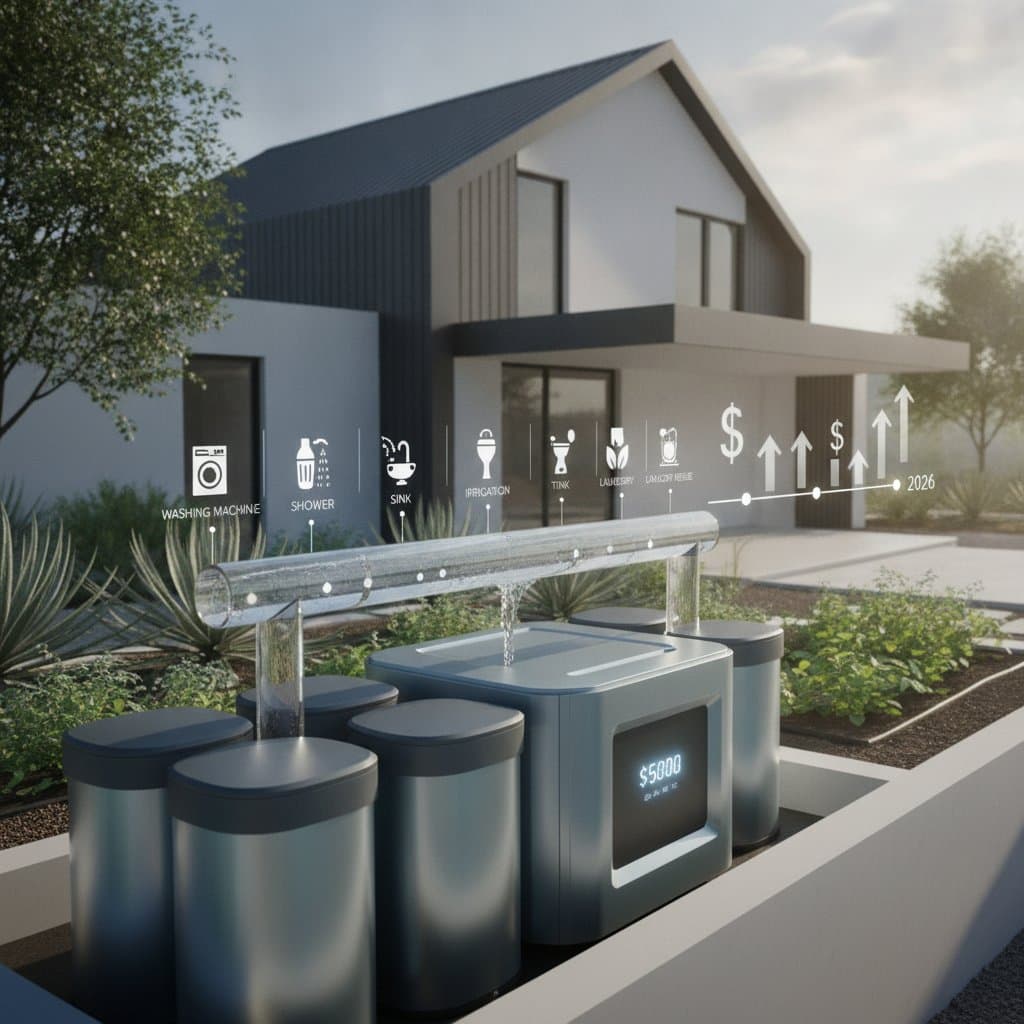
Greywater refers to wastewater generated from household activities such as bathing, laundry, and sink use, excluding toilet waste. These systems collect and treat this water for non-potable purposes, primarily irrigation of landscapes or flushing toilets in advanced setups. By diverting greywater from municipal sewers, homeowners reduce freshwater demand and alleviate strain on wastewater treatment facilities.
Implementing a greywater system requires careful consideration of local regulations and property specifics. Simple designs route water directly to gardens, while complex ones incorporate filtration and storage. Understanding these basics sets the foundation for evaluating costs accurately.
Types of Greywater Systems
Homeowners encounter several greywater system categories, each with distinct features and price points. Laundry-to-landscape systems represent the simplest option, redirecting washing machine output through mulch basins for plant nourishment. These setups suit small-scale applications and demand minimal alteration to existing plumbing.
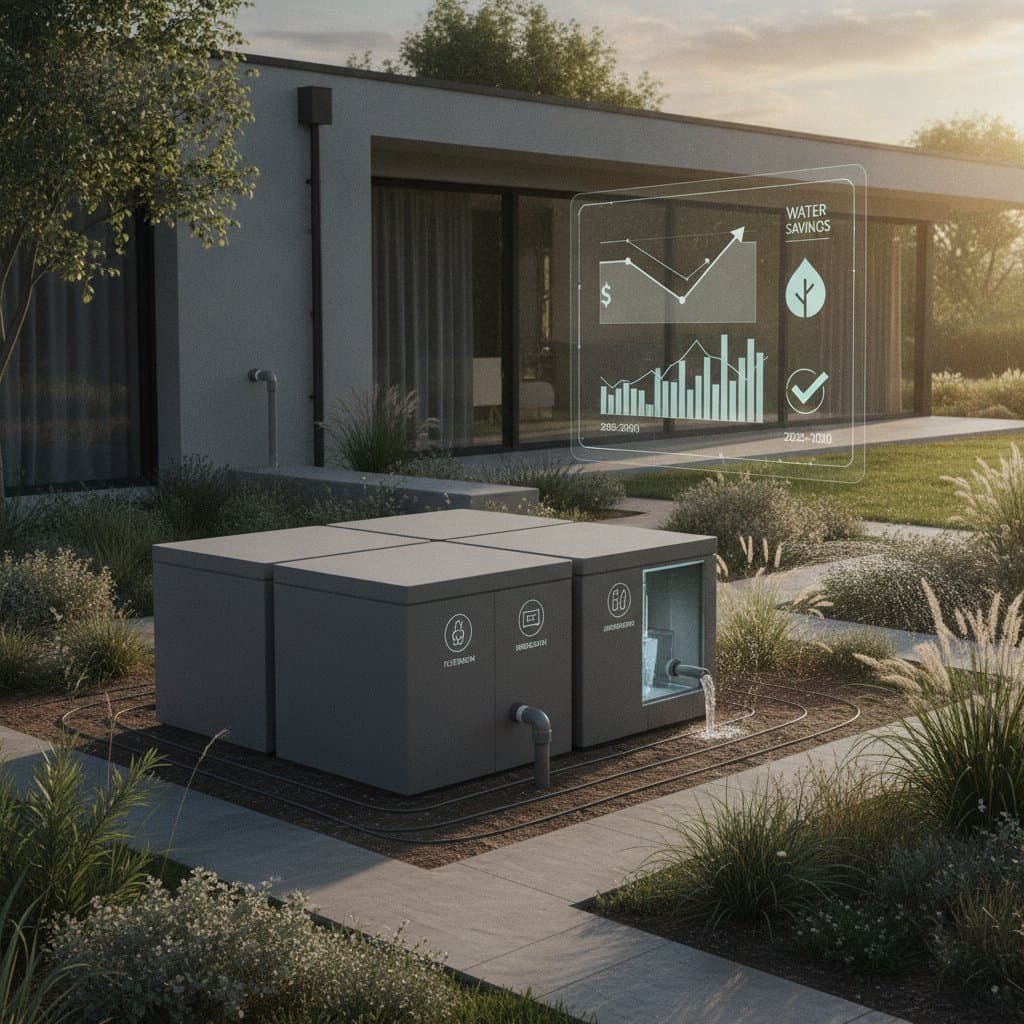
More sophisticated branched drain systems capture water from multiple fixtures like showers and sinks, distributing it via subsurface pipes. Such configurations require professional installation to ensure even flow and prevent soil saturation. For larger properties, tank-based systems store treated greywater, enabling broader reuse including toilet flushing, though they involve higher upfront investments.
Advanced treatment units employ biological filters or ultraviolet disinfection to elevate water quality, complying with stringent health codes in urban areas. Selecting the appropriate type depends on household water usage, yard size, and regulatory approvals, influencing both immediate and ongoing expenses.
Navigating Permits and Regulatory Requirements
Most regions mandate permits for greywater installations to safeguard public health and environmental integrity. Local building departments oversee approvals, often requiring site plans, system specifications, and soil percolation tests. Fees for these permits typically range from $200 to $800, varying by jurisdiction and project scale.
Engineers or certified plumbers may need to submit designs, adding $500 to $2,000 in professional services. In areas with strict water conservation laws, such as California or Arizona, additional environmental impact assessments could extend timelines by several months. Homeowners must verify zoning restrictions, as some neighborhoods prohibit subsurface discharge to avoid groundwater contamination.
Compliance involves ongoing inspections, with non-adherence risking fines up to $5,000 or system removal orders. Researching local codes early prevents delays and uncovers potential rebates from water districts, offsetting permit burdens.
Installation Costs Breakdown
Initial installation forms the largest expenditure for greywater systems, averaging $1,500 to $10,000 depending on complexity. Basic laundry systems start at $1,500, including diverter valves, hoses, and mulch basins that demand little excavation. Property owners with accessible layouts complete these in a weekend using DIY kits.
Branched drain setups escalate to $3,000 to $6,000, necessitating pipe rerouting and trenching that professionals handle to meet code standards. Costs rise with distance from source fixtures to discharge points, as longer piping increases material needs. Tank-based systems command $5,000 to $10,000, incorporating pumps, storage reservoirs, and filtration media that require electrical connections.
Advanced units with treatment technology push expenses toward $15,000, including custom engineering for high-volume homes. Labor constitutes 40 to 60 percent of totals, with plumbers charging $75 to $150 per hour. Factor in plumbing modifications, such as separating greywater lines from blackwater, which add $1,000 or more in unforeseen adjustments.
Maintenance and Operational Expenses
Beyond installation, greywater systems incur annual maintenance costs of $200 to $500. Routine tasks include cleaning filters to prevent clogs, inspecting pipes for leaks, and testing water quality to ensure safe reuse. Neglect leads to bacterial buildup or system failure, prompting costly repairs exceeding $1,000.
Electricity powers pumps and treatment processes in complex setups, consuming 50 to 200 kilowatt-hours yearly at $10 to $40 in utility bills. Mulch basins in simple systems need replenishment every two years, costing $100 to $300. Homeowners should budget for periodic professional servicing, especially in hard-water regions where mineral scaling accelerates wear.
Long-term durability varies; basic systems last 10 to 15 years, while treated units endure 20 years with proper care. Replacement parts, like pumps or UV lamps, range from $200 to $800, underscoring the value of warranties from reputable manufacturers.
Potential Savings and Return on Investment
Greywater systems yield savings through reduced water bills and sewer fees, particularly in drought-prone areas. A typical household conserves 20,000 to 50,000 gallons annually, translating to $100 to $300 in yearly reductions at average rates. Some utilities offer tiered pricing where lower usage drops into cheaper brackets, amplifying benefits.
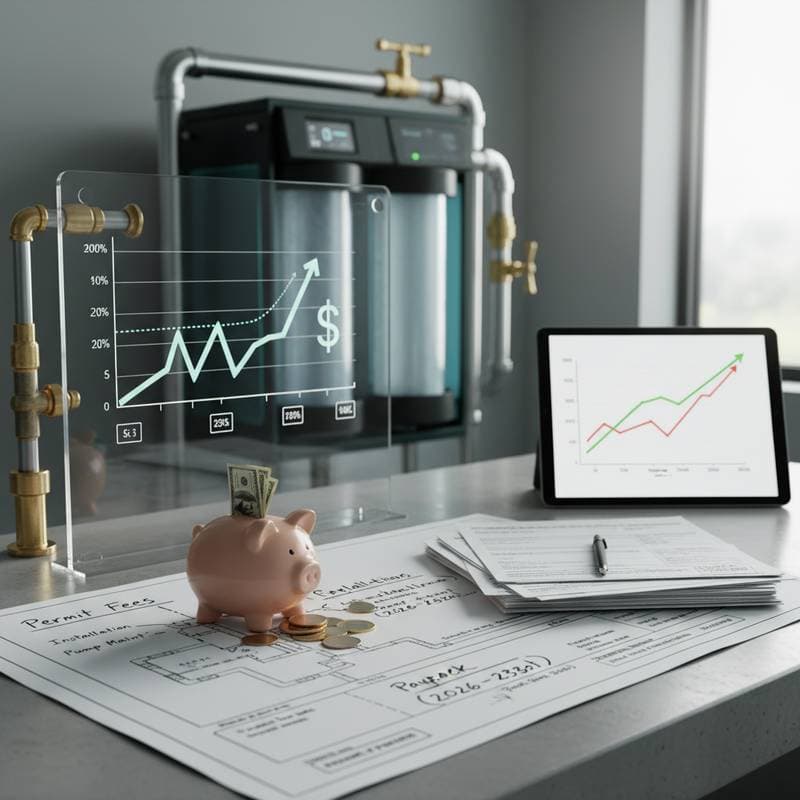
Environmental rebates from governments or water agencies rebate $500 to $2,000 toward installations, shortening payback periods. Simple systems recoup costs in 5 to 7 years, while advanced ones take 8 to 12 years amid higher upfront outlays. Increased property value, estimated at 1 to 3 percent in eco-conscious markets, provides additional returns.
Quantify savings by tracking current water usage via utility statements, then projecting reductions based on system capacity. Tools like online calculators from conservation organizations assist in modeling scenarios tailored to regional rates.
Steps to Plan Your Greywater Installation
Assess your property's suitability by evaluating water sources, soil type, and plant needs. Consult local extension services for free soil tests that inform discharge feasibility. Compile a budget encompassing permits, installation, and first-year maintenance to avoid overruns.
- Research approved system providers and obtain multiple quotes from licensed installers.
- Submit permit applications with detailed plans, allowing 4 to 8 weeks for processing.
- Schedule installation during dry seasons to facilitate trenching and testing.
- Monitor system performance post-setup, adjusting irrigation schedules for optimal efficiency.
Engage neighbors or online forums for insights into local experiences, refining your approach.
Achieving Sustainable Water Management
Investing in a greywater system positions homeowners at the forefront of resource conservation. By addressing costs comprehensively, individuals secure reliable performance and meaningful savings over time. This proactive step not only lowers environmental impact but also enhances resilience against rising water prices and restrictions.