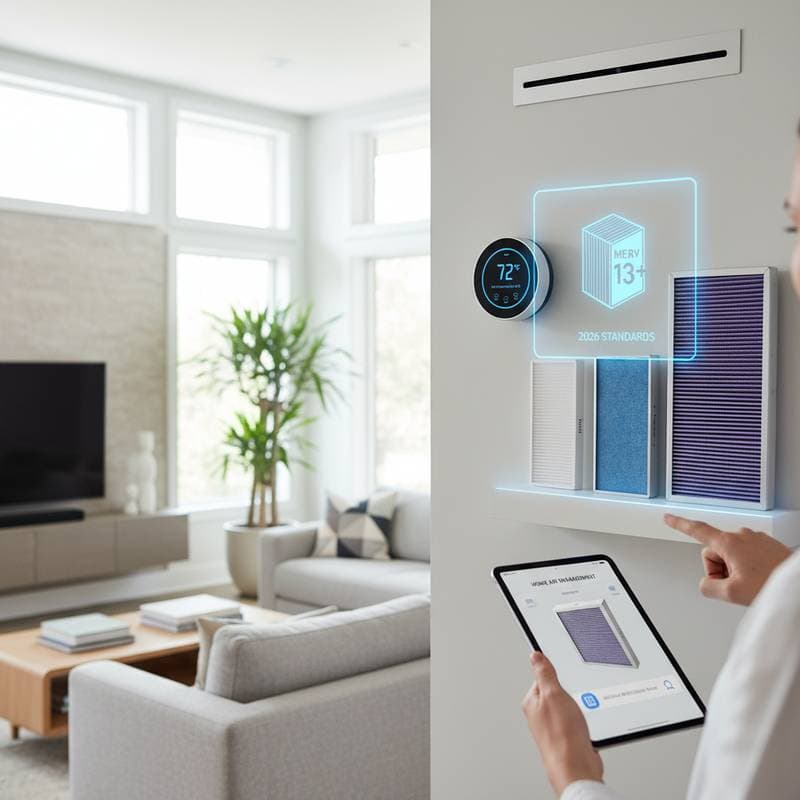
Understanding MERV Ratings and the 2026 Shift
MERV stands for Minimum Efficiency Reporting Value, a measurement that indicates how effectively an air filter captures particles from the air. Ratings range from 1 to 20, with higher numbers signifying greater filtration capability. In 2026, new federal standards will mandate minimum MERV 13 ratings for residential HVAC systems in most regions, aiming to address rising concerns about indoor air pollutants such as allergens, dust, and fine particulates.
This upgrade responds to extensive research on air quality impacts on health and energy consumption. Previously, many homes relied on MERV 8 or lower filters, which allowed larger particles to circulate freely. The shift to MERV 13 ensures filters trap smaller contaminants, including those from smoke and viruses, without overly restricting airflow in standard systems.
Homeowners must prepare for this transition, as non-compliant filters will phase out from major retailers by mid-2026. Systems designed for lower ratings may require adjustments to handle the increased resistance from higher-efficiency filters.
Impacts on Your HVAC System
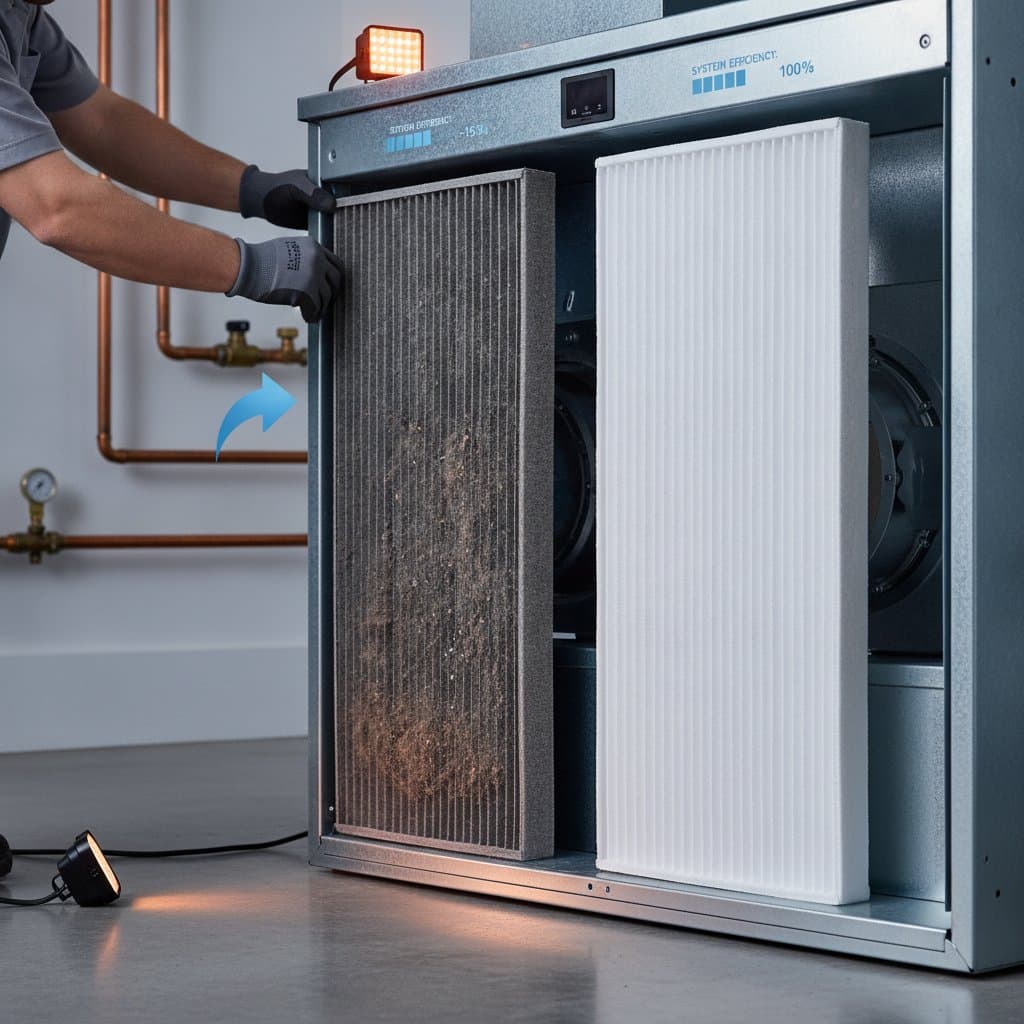
The adoption of higher MERV ratings directly influences HVAC performance. Filters with MERV 13 or above capture up to 90 percent of particles between 1.0 and 3.0 microns, compared to 20-30 percent for MERV 8 filters. This enhanced filtration reduces the workload on blowers and coils, potentially lowering energy use by 5-15 percent over time.
However, improper installation of high-MERV filters in incompatible systems can lead to reduced airflow, causing the HVAC unit to strain and overheat. Manufacturers recommend consulting system specifications before upgrading; for instance, units rated for MERV 11 maximum should avoid jumping directly to MERV 16 without professional modifications.
Energy efficiency gains extend beyond immediate savings. Cleaner filters prevent dust accumulation on internal components, which preserves overall system integrity. Studies indicate that consistent use of appropriate MERV-rated filters can decrease maintenance calls by up to 25 percent annually.
Selecting the Right MERV Rating for Your Home
Choosing a MERV rating involves balancing filtration needs with system capabilities. For households with allergy sufferers or pets, MERV 13 provides robust protection against common irritants like pollen and pet dander. In contrast, MERV 11 suffices for general dust control in low-pollution areas, offering a gentler option for older HVAC units.
Consider your home's size and layout as well. Larger homes with extensive ductwork benefit from MERV 14 to maintain even air distribution, while smaller spaces might thrive with MERV 12. Always verify the manufacturer's guidelines, typically found on the unit's data plate or in the owner's manual, to avoid voiding warranties.
Testing your current air quality can guide decisions. Simple at-home kits measure particulate levels, helping identify if higher filtration addresses specific issues like seasonal allergies or cooking odors. Professionals can perform detailed assessments during routine service visits.
Safe Upgrade Practices
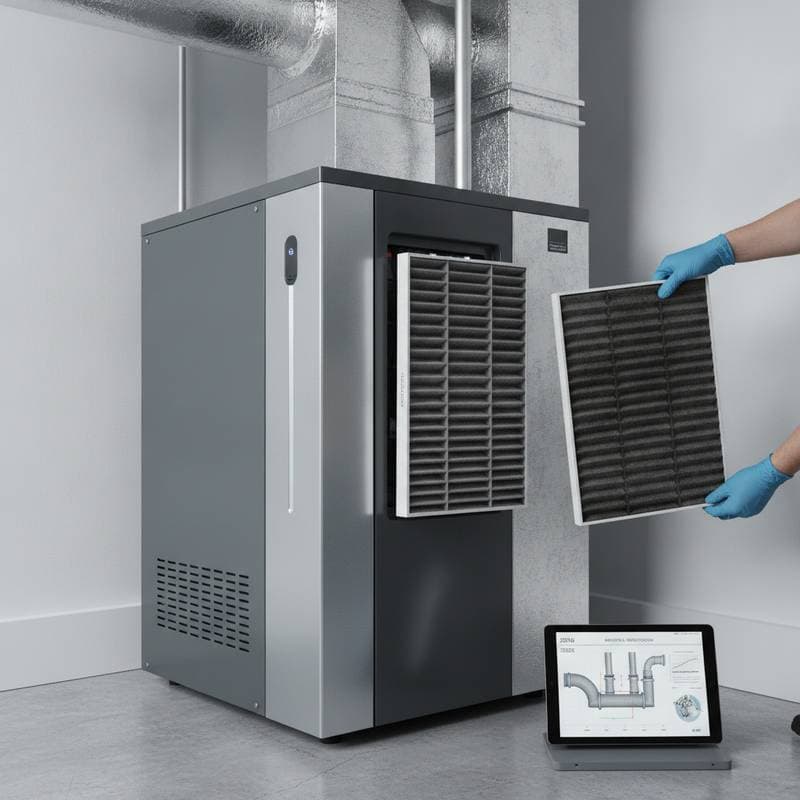
Upgrading to compliant filters requires careful steps to ensure compatibility and safety. Begin by measuring your existing filter dimensions precisely, as standard sizes vary from 16x20 inches to 20x25 inches. Purchase filters certified by organizations like ASHRAE to guarantee performance claims.
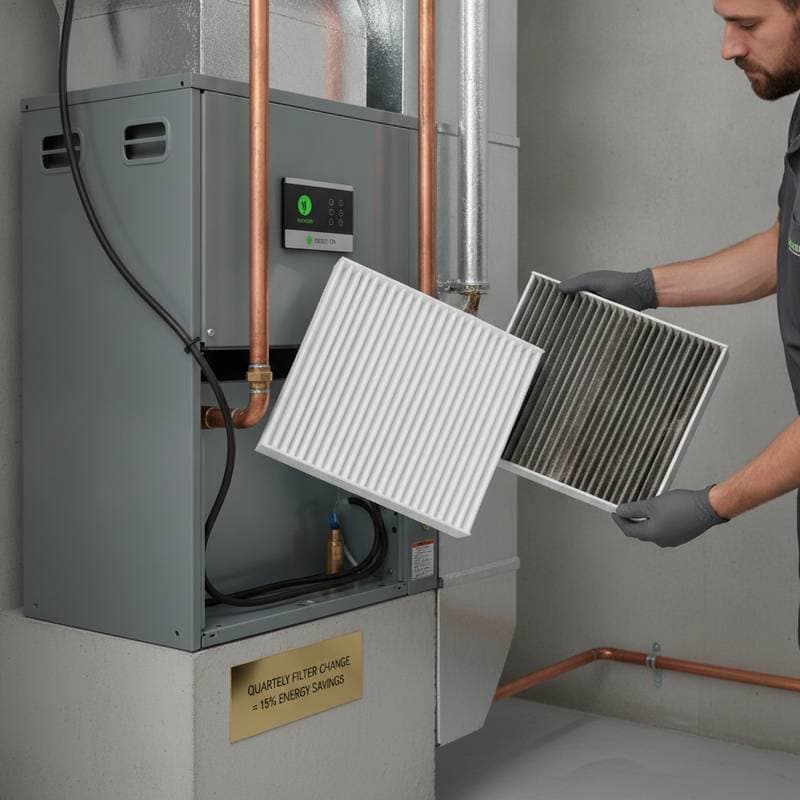
Install the new filter with the airflow arrow pointing toward the furnace or air handler, securing it firmly in the slot to prevent bypass. Test the system immediately after installation by running the fan for 10-15 minutes and listening for unusual noises, which might signal excessive pressure.
If your HVAC dates back more than 10 years, consider a professional evaluation. Technicians can upgrade blowers or add variable-speed motors to accommodate higher MERV ratings. This proactive approach minimizes risks like coil freezing or inefficient operation during peak seasons.
Budget for the change as well. MERV 13 filters cost 20-50 percent more than basic options but last 1-3 months with proper care, offsetting expenses through energy savings and health benefits.
Essential Maintenance for Optimal Performance
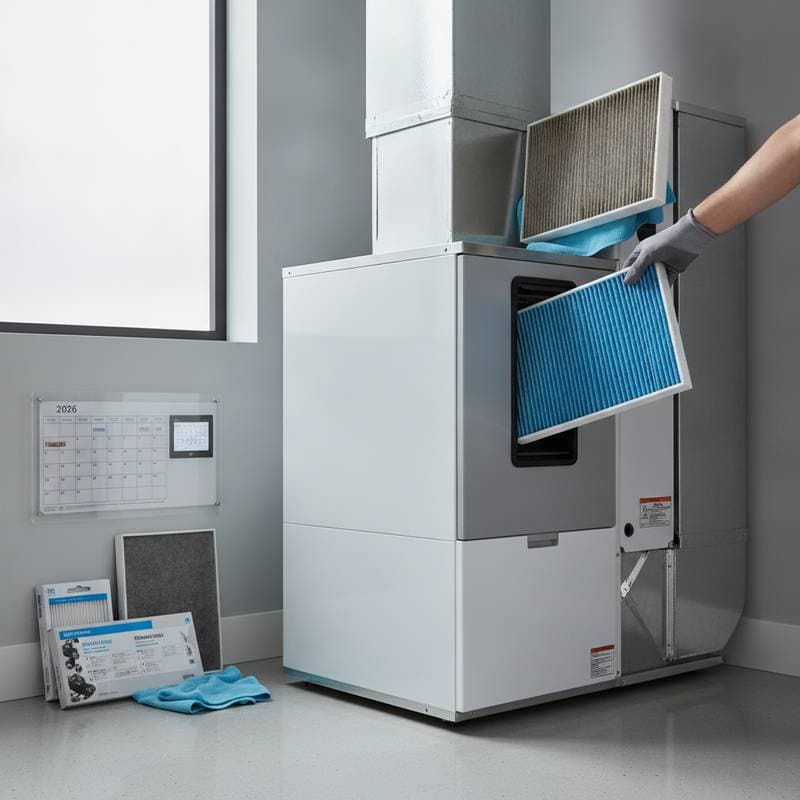
Regular upkeep sustains the benefits of upgraded filters. Replace filters at the recommended intervals, typically every 1-3 months depending on household activity and filter rating. Mark calendars or set reminders to maintain consistency.
Inspect for dust buildup on vents and returns monthly, using a soft brush or vacuum to remove accumulations gently. This practice prevents recirculation of trapped particles and supports even airflow throughout the home.
Schedule technician checks for airflow and system pressure during seasonal tune-ups, ideally twice a year. These inspections detect early signs of strain from higher-efficiency filters, allowing timely adjustments.
Track utility bills to identify any sudden efficiency changes, comparing monthly usage against historical data. A spike might indicate a clogged filter or duct issue requiring prompt attention.
Technicians featured on home improvement resources emphasize that diligent maintenance extends HVAC lifespan by several years. Indoor air remains noticeably cleaner, reducing respiratory issues and enhancing overall comfort.
Long-Term Benefits and Preparation
Embracing the 2026 MERV standards yields lasting advantages for health and home efficiency. Superior filtration correlates with fewer allergy symptoms and lower exposure to harmful particulates, fostering a healthier living environment. Energy savings accumulate, potentially reducing annual bills by hundreds of dollars in moderate climates.
System longevity improves as cleaner operations decrease wear on critical parts. Homeowners report quieter operation and more consistent temperatures post-upgrade, elevating daily living standards.
Prepare by inventorying your current setup this year. Consult local HVAC experts for personalized advice, ensuring a seamless shift to the new era of air filtration. These steps secure cleaner air, cost efficiencies, and reliable performance for years ahead.