Factors That Influence Greywater System Costs
Several variables shape the total expense of a greywater installation. Direct diversion systems remain the most affordable option. Pumped and filtered designs require extra equipment and therefore increase overall costs.
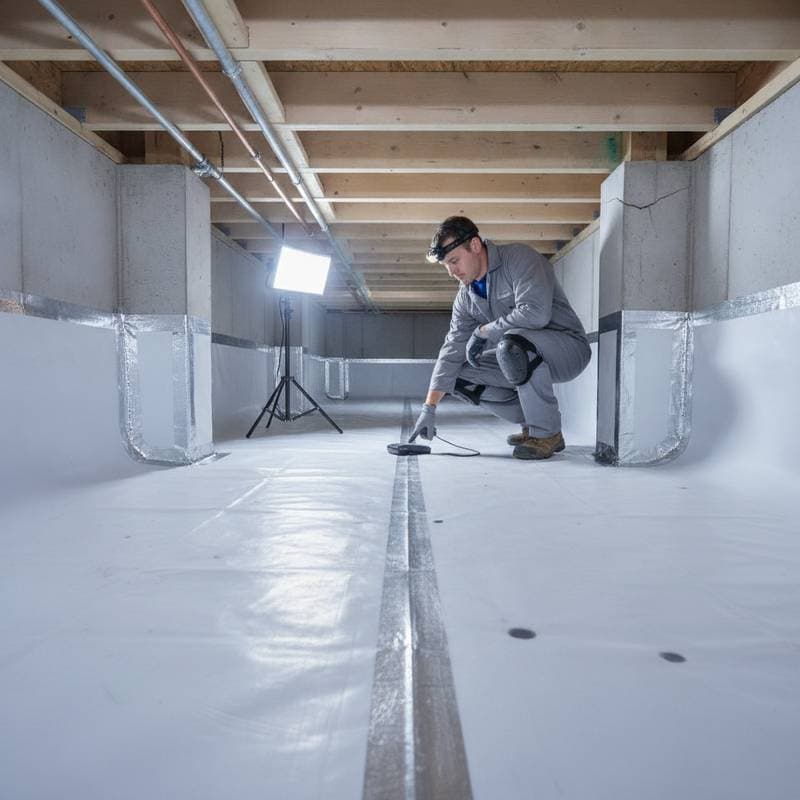
House layout affects labor demands. Properties with accessible plumbing and crawl spaces allow simpler retrofits. Multi story homes or those with sealed walls often need additional work hours.
Soil composition and landscape features also matter. Clay heavy soils may call for extra filtration or extended distribution lines to avoid surface pooling. Local regulations add another layer. Some areas mandate engineered plans, backflow preventers, or routine water quality tests.
Labor rates vary by region. Plumbing and excavation work typically falls between 75 and 150 dollars per hour.
Permits and Legal Requirements
Greywater regulations operate at the municipal level. Small laundry to landscape setups sometimes proceed without permits when they follow basic design rules. Larger systems that connect to existing plumbing usually require full permits, backflow devices, and professional inspections.
Permit fees range from 100 to 500 dollars. Complex projects may need an engineered design plan that adds 300 to 1000 dollars in professional charges. Homeowners should contact the local building department before any work begins. Certain cities provide rebates that offset part of the initial outlay.
Operating and Maintenance Costs
Greywater systems lower water expenses over time yet require ongoing care. Filters need cleaning or replacement every few months. Pumps and valves should receive regular checks for leaks or obstructions. Annual maintenance typically costs 100 to 300 dollars for simple setups and 400 to 600 dollars for systems that include pumps and controls.
Users who direct greywater to irrigation must watch soil conditions. Salts and detergent residues can accumulate and affect plant health. Biodegradable low sodium products help preserve both system performance and landscape quality.
Installation Process
Professional installation follows a clear sequence. The installer first assesses plumbing access, landscape layout, and soil conditions. Permit applications come next when required. Technicians then add diverter valves and redirect pipes from selected fixtures.
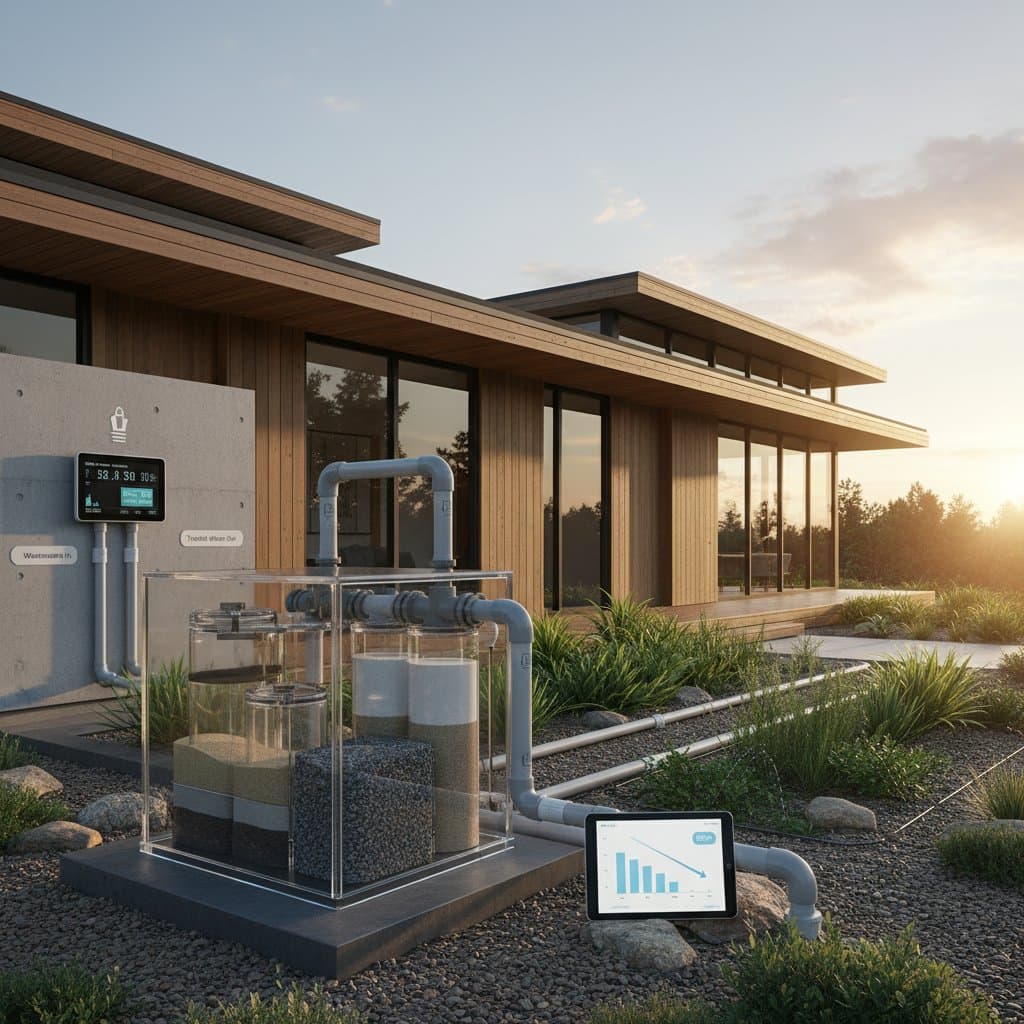
Filtration units, tanks, or pumps are positioned according to the design. Final testing confirms proper flow and safety compliance. The entire process lasts from two days to two weeks depending on system scale and permit timelines.
Environmental and Financial Benefits
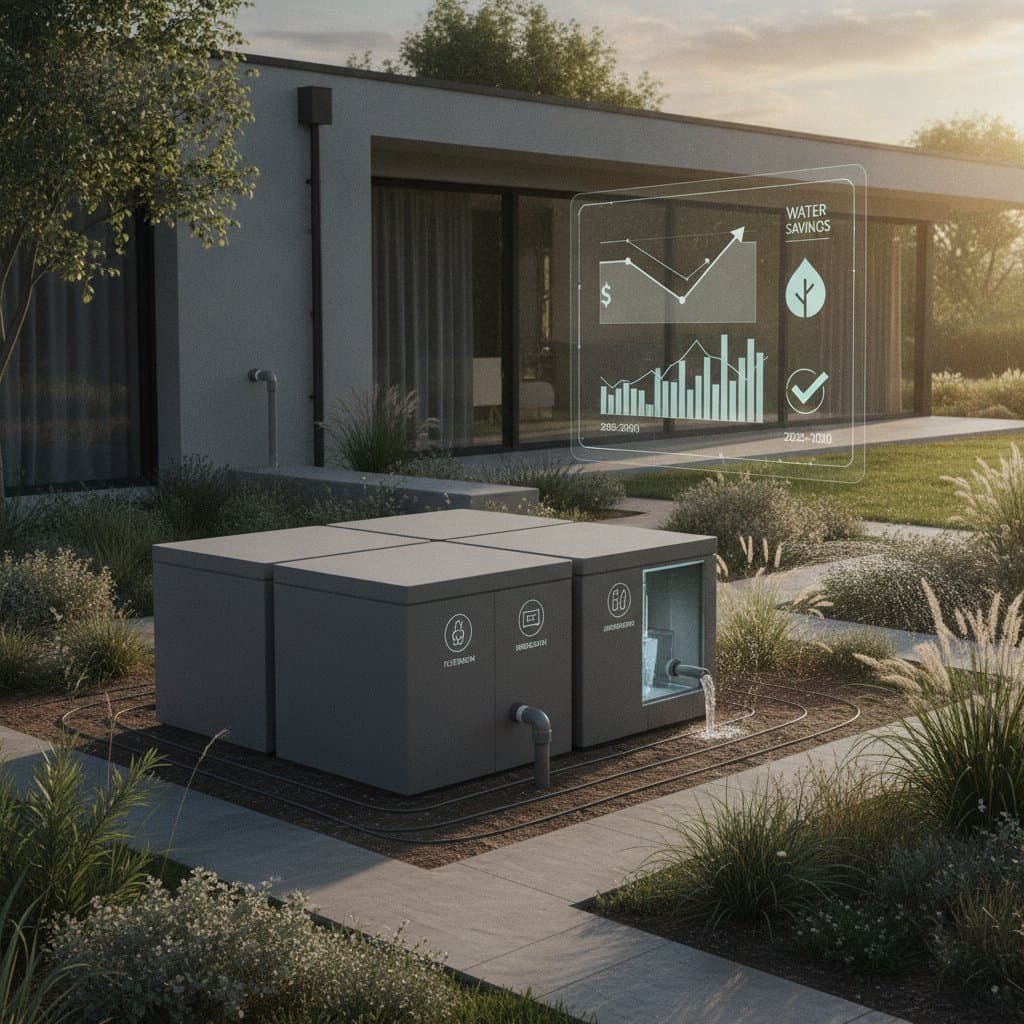
Greywater reuse delivers measurable water conservation. A typical household can cut freshwater demand by 25 to 40 percent. In high cost or drought prone regions these reductions produce rapid returns.
One homeowner installed a mid range system for roughly 4500 dollars and now saves about 400 dollars each year on utility bills. The same water also supports landscaping during dry spells and supplies modest nutrients that benefit soil health.
Selecting an Appropriate System
Clear goals guide system choice. Simple landscape irrigation may need only a gravity fed laundry setup. Toilet flushing or multiple irrigation zones call for a pumped and filtered design.
Homeowners should evaluate water source availability, intended end uses, available space for tanks or filters, and total budget before purchase. A licensed specialist familiar with local codes can match equipment to specific site conditions.
Sustaining System Performance
Routine attention preserves efficiency after installation. Clean filters on a quarterly schedule and inspect distribution lines for blockages. Test any pumps regularly and avoid bleach or harsh cleaners that harm plants or clog components.
With consistent upkeep a greywater system provides reliable service for many years while lowering utility costs and supporting healthier landscapes.