Greywater Systems: Costs from $800 to $2,500 and 2026 Permit Requirements
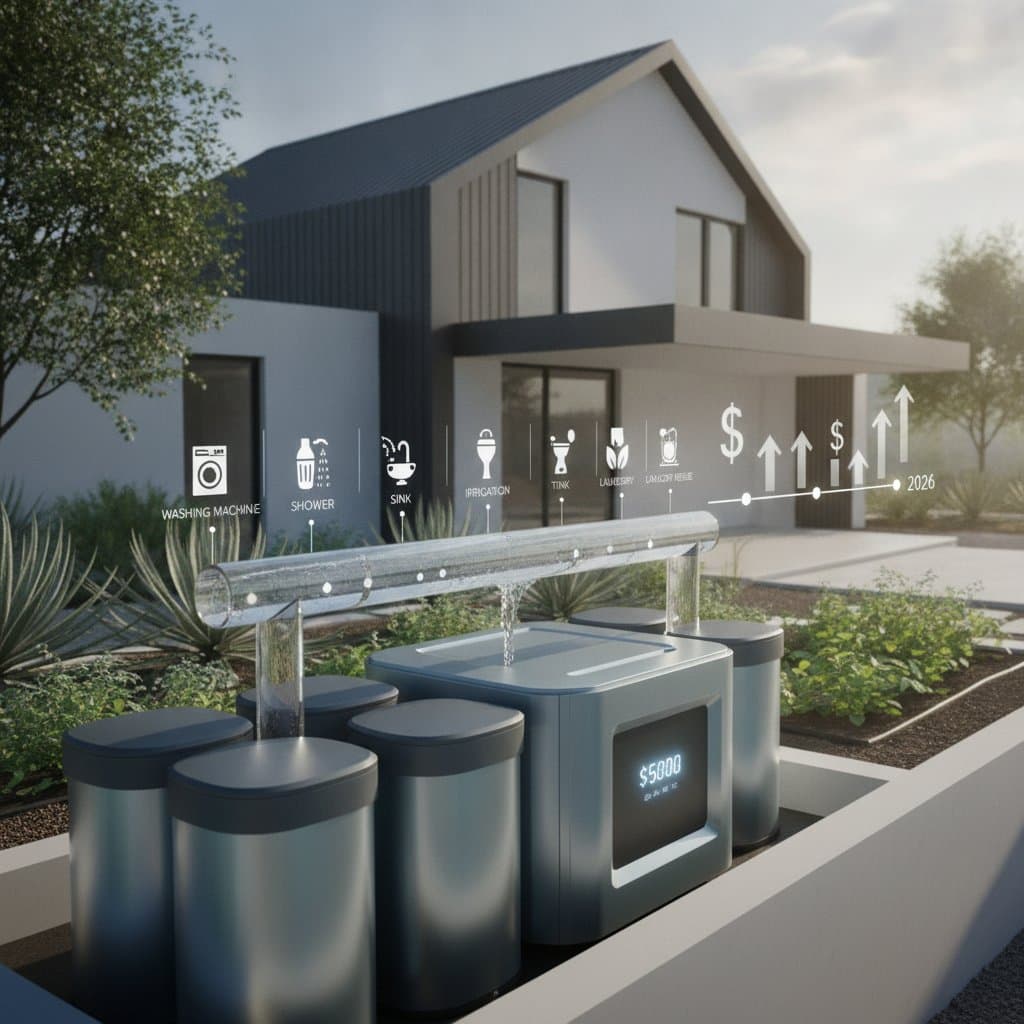
Greywater systems capture water from sinks, showers, and washing machines for reuse in irrigation and other nonpotable applications. Homeowners who install these systems reduce fresh water demand and lower monthly utility bills. Proper planning ensures compliance with local codes and long term performance.
Core Components and How They Function
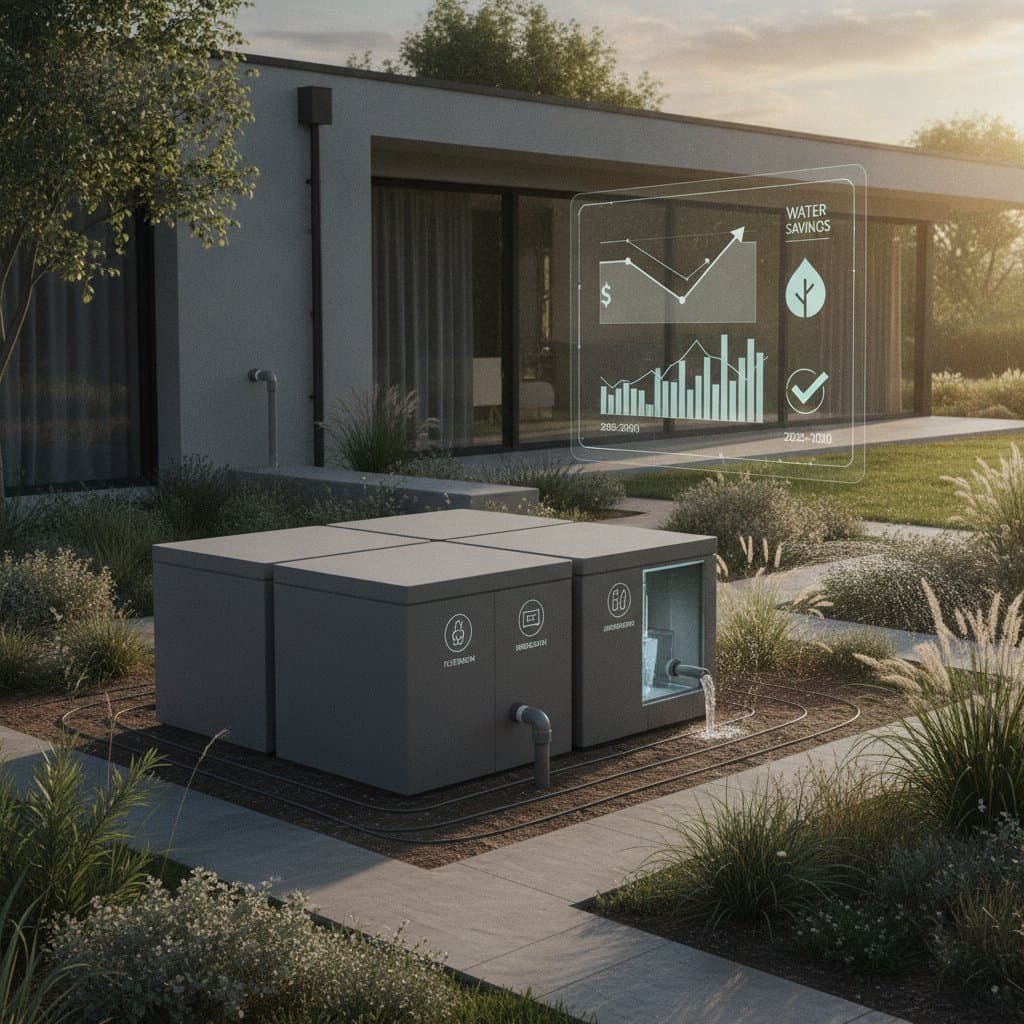
A basic setup includes a collection tank, filter, pump, and distribution lines. Water flows from household drains into the tank where solids settle and filters remove debris. The cleaned water then moves to garden beds or subsurface irrigation zones.
- Collection point selection determines system capacity
- Filtration level matches the intended reuse application
- Pump sizing accounts for elevation changes and pipe length
- Distribution method avoids surface pooling and root zone saturation
2026 Cost Ranges and What Influences Price
Simple laundry to landscape systems start near 800 dollars when homeowners handle trenching and basic filtration themselves. Mid range installations that add automated controls and larger storage tanks fall between 1,500 and 2,500 dollars. Complex whole house systems with advanced treatment and professional labor can reach 10,000 dollars.
Factors that affect final cost include soil type, property slope, local labor rates, and whether permits require engineered drawings. Choosing durable materials reduces future repair expenses even if initial outlay increases.
Permit Rules and Compliance Steps for 2026
Many jurisdictions updated greywater ordinances in 2025, requiring notification or full permits for systems over a certain daily volume. Contact the local building department early to learn whether a simple registration or a detailed plan review applies. Submit site diagrams that show tank location, pipe routes, and irrigation zones.
Inspectors typically verify that greywater stays at least five feet from property lines and does not pool on the surface. Keep records of filter changes and any repairs to demonstrate ongoing compliance during future property sales.
Installation Sequence for Reliable Results
Begin by mapping all greywater sources and measuring average daily volume. Select a tank sized for at least one day of storage. Install filters rated for the expected debris load and place the pump in an accessible location for maintenance.
Run distribution lines with a slight downward slope to prevent standing water. Test the full system with clean water before connecting household drains. Schedule a final inspection once everything is buried and labeled.
Routine Maintenance Practices
Check filters monthly and clean or replace them according to manufacturer guidelines. Inspect tanks for sediment buildup twice a year and remove accumulated solids. Monitor irrigation zones for even moisture distribution and adjust valves as plants mature.
Keep a simple log of service dates and any observed issues. Prompt attention to clogs or pump noise prevents larger failures and protects water quality.
Long Term Advantages for Households
Reduced municipal water consumption translates into measurable savings on utility statements within the first year. Gardens receive consistent moisture during dry periods without drawing from potable supplies. Properties equipped with documented greywater systems often show stronger resale appeal among buyers seeking sustainable features.