2026 Greywater System Costs: Permits and Installation
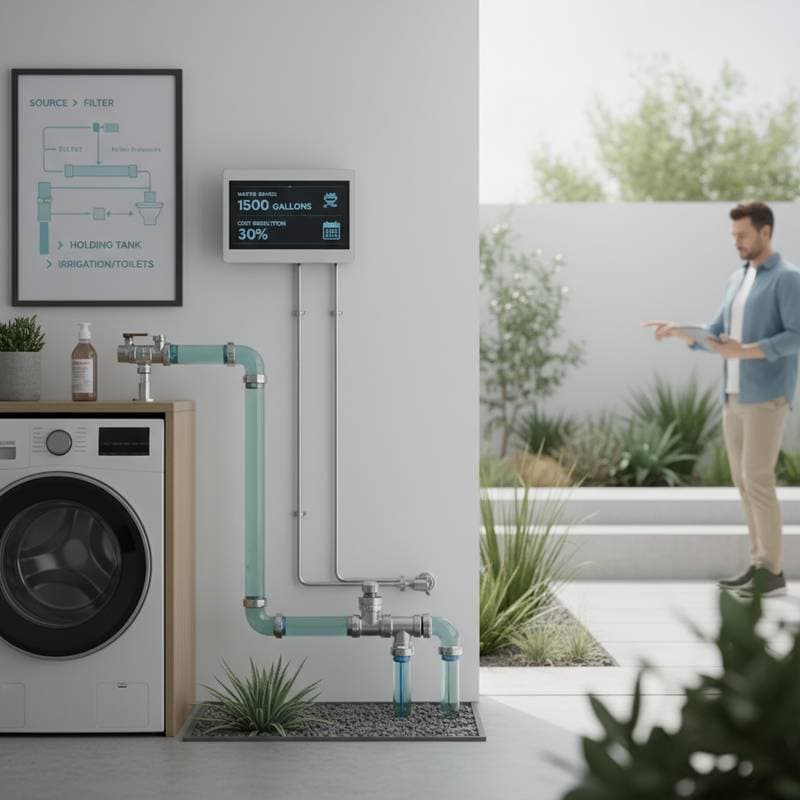
Recycling household water offers a practical way to reduce utility expenses and support conservation efforts. A greywater system captures water from sinks, showers, and laundry for reuse in irrigation or toilet flushing. Homeowners must account for permits, materials, and labor before beginning any project. Clear planning helps match system design to local rules and available budget.
Understanding Greywater System Costs
System prices depend on type, site conditions, and regulatory demands. Simple laundry diversion setups require fewer components than filtered or pumped arrangements. Property layout and plumbing access also shape total expenses. Local codes determine whether permits and inspections add to the overall investment.
Typical Cost Breakdown
DIY greywater system costs
- Materials such as pipes, valves, filters, and fittings typically range from several hundred dollars for basic setups.
- Tools including drills, cutters, and sealants represent an additional purchase if not already owned.
- Time investment spans one to several days for straightforward projects and longer for complex routing.
- Permits may still apply to small systems and carry fees that vary by jurisdiction.
Professional installation costs
- Labor from licensed plumbers or specialists forms the largest share of most budgets.
- Commercial tanks, pumps, and filters provide greater durability at higher material prices.
- Design consultations and site assessments incur separate charges in many cases.
- Inspections and permits confirm compliance and protect against future issues.
Factors That Influence Price
Gravity-fed systems cost less than those requiring pumps or advanced filtration. Accessible plumbing shortens labor time while hidden pipes increase it. Stricter regional codes often demand engineered plans or third-party reviews. Soil conditions and landscape layout determine the length of distribution piping needed.
When DIY May Save Money
Homeowners with plumbing experience can reduce labor costs on small laundry-to-landscape systems. Basic tools and careful adherence to health codes produce functional results. Errors in drainage or separation of lines, however, create leaks or contamination risks. Larger whole-house projects almost always benefit from professional oversight.
DIY Versus Professional Installation
Skill level, project scale, and long-term reliability guide the choice between approaches. Each option carries distinct advantages and limitations.
Benefits of DIY installation
- Upfront costs drop when labor fees are avoided and existing materials are reused.
- Layout decisions remain fully under homeowner control.
- Hands-on work builds practical skills for future maintenance.
Drawbacks of DIY installation
- Warranties often require professional certification for coverage to apply.
- Incorrect connections risk cross-contamination with potable lines.
- Some municipalities approve only contractor-installed systems.
Benefits of professional installation
- Familiarity with local codes ensures permit approval on the first attempt.
- Durable components and proper testing extend system lifespan.
- Follow-up service packages simplify ongoing care.
Drawbacks of professional installation
- Labor charges raise total project cost, especially for extensive networks.
- Scheduling may require waiting for available crews.
- Design changes after work begins usually add fees.
Common Questions About Greywater Systems
A complete household system ranges from several hundred dollars for simple diversions to several thousand for filtered irrigation networks. Most jurisdictions require a permit from the building department, though small laundry-only setups sometimes qualify for exemptions. Inspection fees vary by municipality and confirm safe installation. Long-term water bill reductions often offset initial expenses within a few years. Filters need cleaning every few months, while pumps and valves receive annual checks. Untreated greywater should not remain stored longer than a short period to avoid odors and bacteria. Kitchen sink water is generally excluded because of grease and food particles. Non-edible plants tolerate greywater well, but vegetables require advanced filtration. Signs of trouble include slow drainage, odors, or soggy soil near outlets.
Step-by-Step Decision Guide
- Measure household water use from showers, sinks, and laundry to estimate supply.
- Review personal plumbing skills and tool availability before choosing a DIY route.
- Add permit, inspection, and maintenance costs to material estimates for accurate budgeting.
- Assess risks such as contamination or drainage problems against potential savings.
- Select professional help for whole-house or code-complex projects.
Preparing for Your Greywater Project
Contact the local building department early to confirm permit requirements and avoid later penalties. Gather materials only after verifying code compliance. Prepare the installation area by clearing access to plumbing lines. Schedule work during moderate-demand seasons when possible to control labor rates. Set aside a contingency fund for unexpected routing or inspection needs.
Protecting Long-Term Performance
Regular filter cleaning and annual valve checks keep systems operating efficiently. Professional service packages provide added assurance for complex setups. Homeowners who follow these steps enjoy reliable water reuse and sustained utility savings.