Understanding Greywater Systems
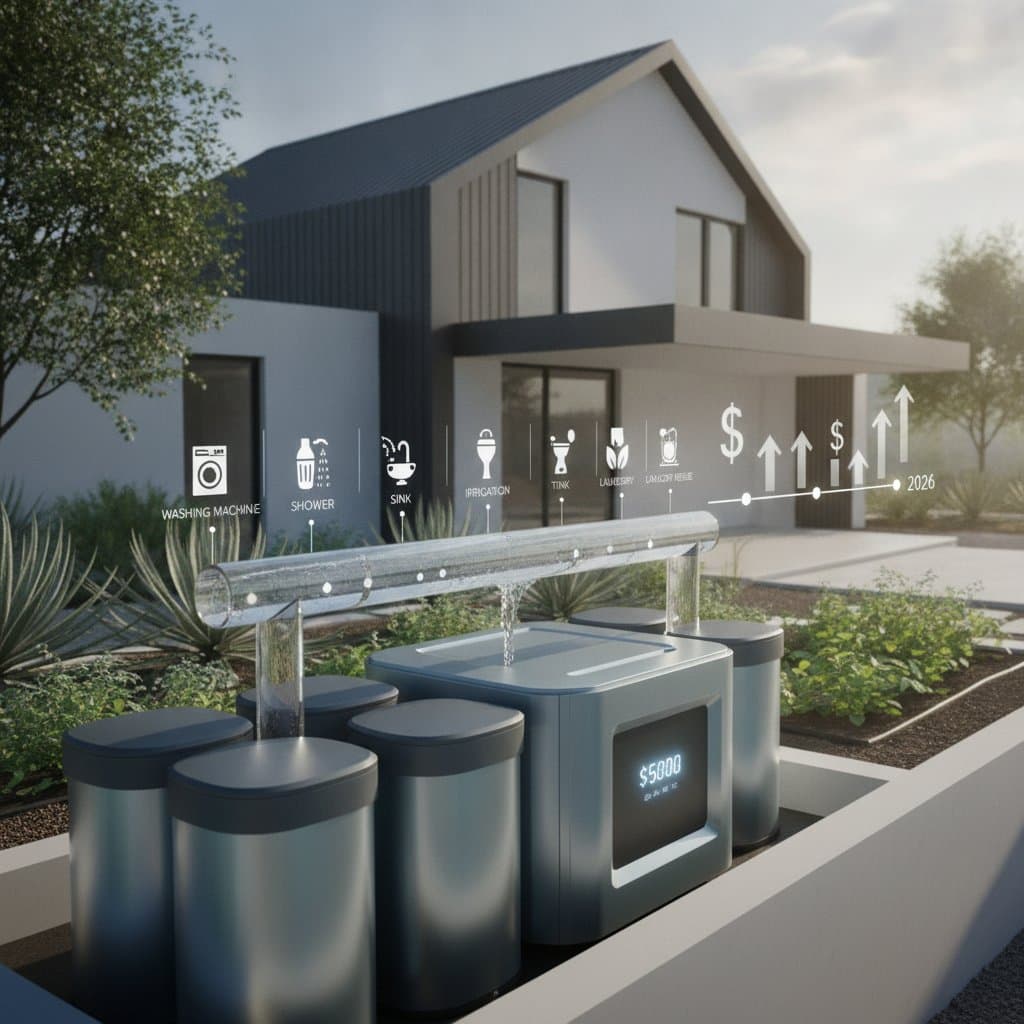
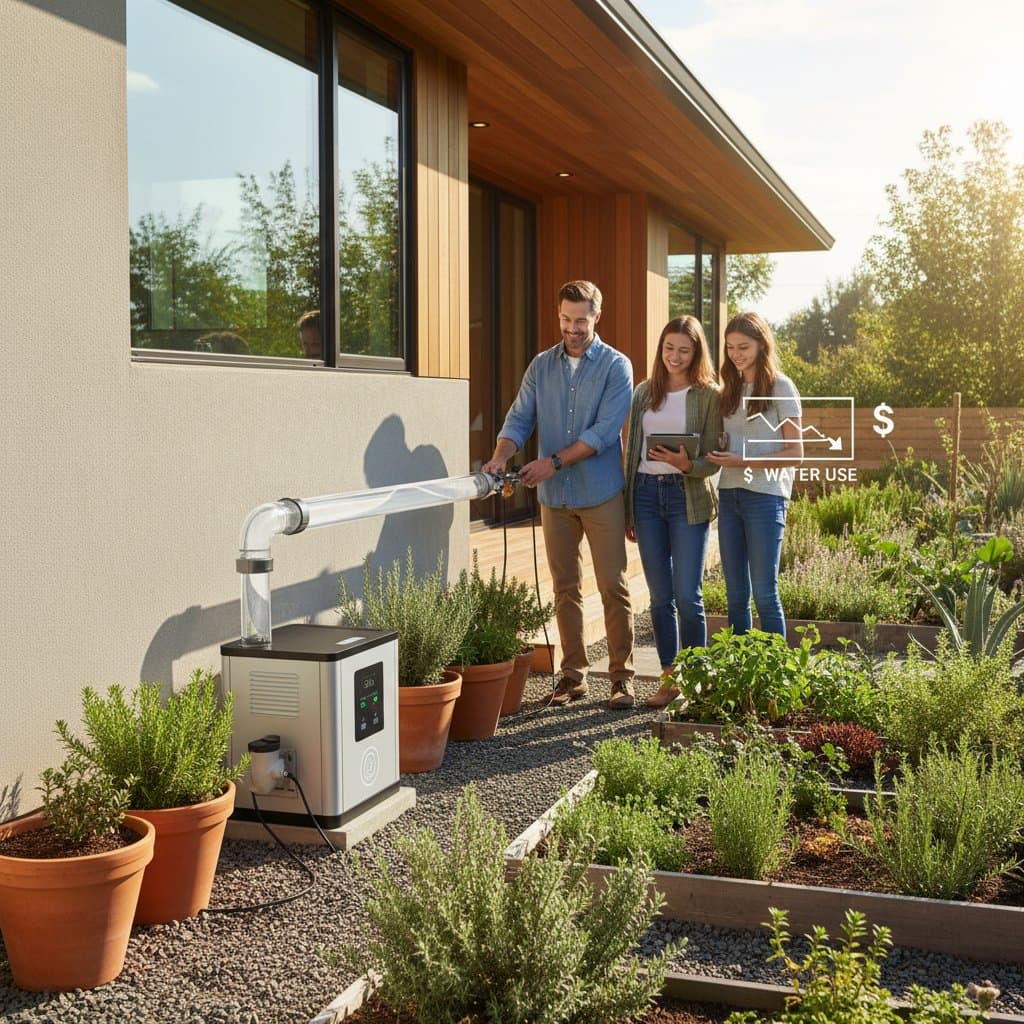
Greywater refers to wastewater generated from household activities such as bathing, laundry, and sink use, excluding toilet waste. These systems collect and repurpose this water for non-potable needs like irrigation or toilet flushing. By implementing a greywater system, households can achieve up to a 40 percent reduction in overall water consumption, addressing water scarcity while lowering utility expenses.
The appeal of greywater systems lies in their ability to transform waste into a resource. In regions facing drought or high water costs, such setups promote self-sufficiency. Homeowners benefit from immediate savings and long-term environmental contributions, making these installations a worthwhile consideration for modern living.
Types of Greywater Systems
Greywater systems vary in complexity and functionality to suit different needs and budgets. Basic models divert water directly from sources, while advanced versions include treatment processes for broader applications. Selecting the right type depends on local climate, property size, and intended use.
Simple Diversion Systems
Simple diversion systems route greywater from laundry or showers straight to garden beds or mulch basins without filtration. These setups require minimal plumbing changes and suit small-scale applications. Installation involves connecting a three-way valve to existing drains, allowing manual or automatic switching between sewer and reuse modes.
Pros include low upfront costs and ease of setup. However, they demand careful plant selection to handle untreated water. Such systems work best in mild climates where evaporation and soil absorption prevent pooling.
Full Treatment Systems
Full treatment systems employ filtration, disinfection, and sometimes biological processes to purify greywater for subsurface irrigation or indoor reuse. Components include pumps, sand filters, and chlorinators to meet health standards. These options allow for more versatile applications, such as watering edible plants with caution.
Advanced models integrate sensors for monitoring water quality and flow rates. They demand professional installation but offer greater efficiency and compliance with strict regulations. Homeowners with larger properties or urban settings often prefer these for their reliability and expanded utility.
Installation Costs in 2026
In 2026, greywater system costs range from $1,500 to $10,000, depending on type and scale. Simple diversion setups start at $1,500, covering basic plumbing and valves. Full treatment systems average $5,000 to $10,000, including pumps, tanks, and filtration units.
Factors influencing price include material quality, labor fees, and site-specific adaptations. Professional installation adds $2,000 to $4,000, while DIY options for simple systems can save up to 50 percent. Ongoing expenses involve filters and maintenance, estimated at $200 annually.
Homeowners should budget for potential rebates or incentives from local utilities, which can offset initial investments. A detailed cost analysis ensures the system aligns with financial goals and expected savings.
Navigating Permits and Regulations
Most municipalities require permits for greywater installations to ensure safety and environmental protection. Regulations vary by location, often classifying systems as simple or complex based on treatment levels. Contact local building departments early to understand specific codes.
The permitting process typically involves submitting plans, soil tests, and system specifications. Inspections verify proper setbacks from wells or property lines, usually 100 feet minimum. Compliance prevents fines and ensures system longevity.
In water-stressed areas, streamlined approvals encourage adoption. Homeowners must demonstrate knowledge of operation to receive approval. Professional consultations streamline this step, avoiding delays.
Step-by-Step Installation Guide
Installing a greywater system requires planning and adherence to guidelines. Begin with a site assessment to evaluate water sources, soil type, and usage patterns.
-
Assess Needs: Determine daily greywater volume from household fixtures. Calculate irrigation demands based on landscape size.
-
Design the System: Choose components suited to site conditions. Sketch plumbing routes and treatment paths.
-
Gather Materials: Acquire valves, pipes, filters, and tanks from reputable suppliers.
-
Modify Plumbing: Install diverters on drain lines. Connect to storage or distribution areas.
-
Test and Inspect: Run trials to check for leaks. Schedule official inspections.
-
Launch Operation: Monitor initial performance and adjust as needed.
This structured approach minimizes errors and maximizes efficiency. Engage certified plumbers for complex elements.
Essential Maintenance Practices
Regular maintenance extends system life and ensures optimal performance. Inspect filters monthly to remove debris and replace as recommended by manufacturers. Clean pumps and tanks quarterly to prevent clogs.
Monitor water quality through simple tests for pH and clarity. Adjust usage during heavy rains to avoid overload. Annual professional servicing detects issues early.
Proper upkeep not only sustains savings but also protects landscapes from contaminants. Document routines to track effectiveness over time.
Strategies to Maximize Savings
To achieve the full 40 percent water reduction, integrate greywater with other conservation methods. Pair systems with low-flow fixtures and drought-resistant plants. Track usage via meters to identify inefficiencies.
Incentives like tax credits reduce net costs. Educate household members on proper usage to avoid soaps with harsh chemicals. Over time, these habits compound benefits.
Quantify savings by comparing pre- and post-installation bills. Many households recoup investments within three to five years through reduced water and sewer charges.
Advancing Your Home's Sustainability
Greywater systems represent a proactive step toward water independence and ecological responsibility. By repurposing everyday wastewater, homeowners contribute to broader conservation efforts. The combination of cost savings, regulatory compliance, and practical implementation makes these systems accessible for diverse properties.
Consider starting with a simple setup to build familiarity, then scale as needs evolve. This investment not only cuts expenses but also fosters a resilient, greener living environment for the future.