Solar Shingles Versus Panels: A Comprehensive Cost Comparison
Homeowners venturing into solar energy confront a significant decision between solar shingles and traditional solar panels. Each option generates renewable electricity and yields substantial savings over time, yet differences in installation expenses, visual impact, and operational efficiency distinguish them. Grasping these variances enables selection of the system that aligns with your residence, finances, and power requirements.
Understanding Solar Shingles and Their Functionality
Solar shingles consist of compact photovoltaic tiles that substitute portions of conventional roofing. Each tile operates as a diminutive solar panel, absorbing sunlight and transforming it into usable electricity. In contrast to panels mounted atop the roof, these shingles embed directly into the roofing framework.
Leading manufacturers like Tesla, CertainTeed, and GAF Energy have advanced this technology to enhance output and visual harmony. The shingles merge with asphalt or composite roofs, delivering a refined appearance favored by numerous homeowners. Constructed to endure high winds, hail, and intense precipitation, they match the resilience of premium roofing products.
Distinctions of Traditional Solar Panels
Solar panels dominate residential solar setups. Positioned on mounting racks over existing roofs, they allow adjustments for ideal tilt and sunlight exposure. These panels employ monocrystalline or polycrystalline silicon cells to harness solar rays, with systems often linking to home batteries or the utility grid.
Professionals frequently suggest panels for dwellings with recently installed, well-maintained roofs. The setup permits removal or upgrades without compromising the roof integrity. This adaptability, paired with established technology, positions panels as the preferred choice in the majority of solar initiatives.
Detailed Cost Analysis: Equipment and Installation
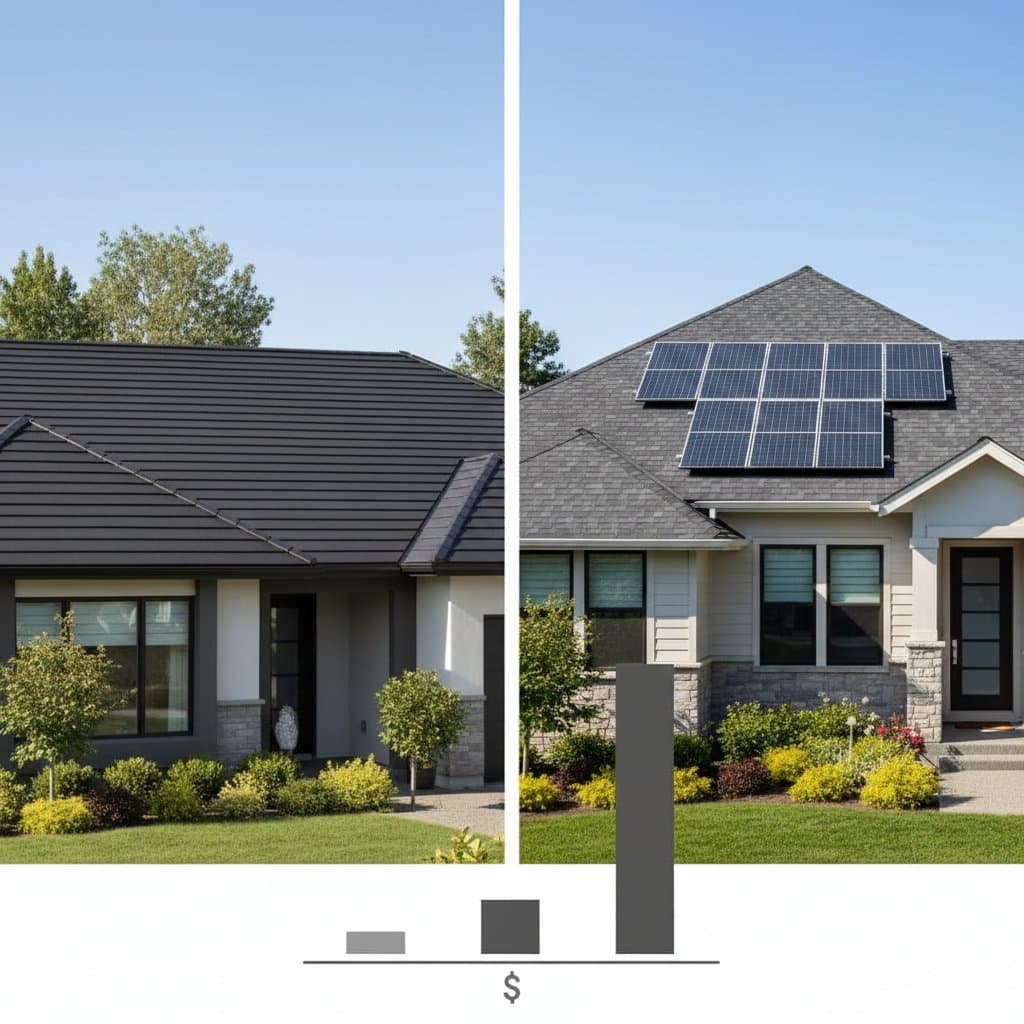
Cost represents the primary consideration for most homeowners. Solar shingles incur elevated initial expenses since they function dually as roofing and energy generators. Replacing an entire roof with solar-integrated shingles typically demands approximately twice the investment compared to mounting panels on a pre-existing roof.
Traditional panels prove more economical, utilizing standard underlay roofing. Installation demands less labor, and components remain readily accessible. Panels emerge as the swifter, more budget-friendly alternative, particularly when the current roof retains multiple years of service life.
Experts emphasize panels' scalability as a concealed benefit. Begin with a modest array and augment it later to match expanding budgets or energy demands. Expanding shingles often necessitates additional tile placement, which may lack feasibility or economic viability.
Performance Metrics: Energy Generation and Efficiency
Advancements have boosted solar shingles, yet they trail panels in efficiency. Limited surface area and constrained spacing hinder airflow, potentially diminishing output during warm conditions. Panels gain from enhanced ventilation and precise angling, securing superior energy yields.
Research from energy specialists indicates that panel arrays produce 15 to 25 percent more electricity per square foot than shingle systems. This disparity may equate to thousands of dollars in extra savings across the system's lifespan. Although the efficiency divide diminishes with innovative shingle designs, panels suit homeowners prioritizing rapid return and maximal output.
Longevity and Upkeep Considerations
As roofing elements, solar shingles demand durability comparable to their energy role. Premium options, such as the Tesla Solar Roof, feature tempered glass construction and extended warranties. They resist corrosion and fractures while facilitating snow removal more effectively than panels.
Maintenance stays minimal, though repairs present greater challenges. Failure in a shingle segment requires a qualified roofer or installer to excise and reinstall that area. Panels, being modular, simplify servicing; replace a single unit without affecting the broader array.
Panels excel in maintenance ease over extended periods. Shingles offer superior integration, but individual repairs incur higher costs.
Visual Impact and Home Valuation
Aesthetic preferences steer many toward solar shingles. They integrate flawlessly with the roofline, yielding a cohesive look absent of conspicuous mounts or cabling. In historic districts or areas enforcing design standards, this subtlety provides a compelling edge.
Practical-minded buyers appreciate panels' visibility. The array's presence conveys commitment to sustainability, appealing to eco-aware purchasers. Property professionals observe that both installations elevate home worth; shingles draw seekers of upscale aesthetics, while panels attract those emphasizing financial returns.
Financial Incentives and Return on Investment
Solar shingles and panels alike access federal and regional incentives, such as tax credits and rebates. The variance appears in payback timelines. Panels achieve breakeven sooner due to lower upfront costs and greater energy return per expenditure.
Shingles require more time to recoup, yet they eliminate separate roofing needs. For residences nearing roof renewal, the unified solar shingle expense may justify more readily. Analysts suggest that long-term residents view shingles as a comprehensive investment, whereas short-term owners prefer panels for accelerated savings.
Installation Options: Professional Versus Self-Directed
Self-directed installation seldom suits solar shingles, given the need for roofing and electrical proficiency. Certified professionals alone ensure safe integration and warranty preservation.
Panels afford greater leeway. Skilled individuals may tackle compact off-grid or auxiliary systems, following thorough instructions and safety protocols. Professional involvement, however, guarantees adherence to codes and peak performance.
Factors like personal expertise, regional rules, and roof complexity influence this choice.
Preserving System Performance
Post-installation, routine cleaning and evaluations sustain both systems. Clear debris and foliage to uphold efficiency, and arrange yearly inspections for output monitoring. For panels, examine mounts and connections; for shingles, verify tile integrity and alignment.
Selecting Your Optimal Solar System
Assess your roof's age, style, and financial parameters to guide the solar choice. Opt for panels if the roof condition excels and swift payback matters most. Weigh aesthetics against performance to secure a system that diminishes bills and enhances value, tailored precisely to your needs.