Maintain Attic Ventilation to Prevent Mold Year-Round
Attic ventilation ranks among the most overlooked elements of home upkeep. Homeowners often prioritize roof repairs, insulation upgrades, or energy efficiency measures. They may miss how airflow in the attic influences mold development, moisture levels, and overall indoor air quality. Mold that begins in the attic can extend into living areas, damage structural components, and raise health concerns for occupants.
This guide outlines the mechanics of attic ventilation. It details typical costs for maintenance or upgrades. It also examines system types, pricing influences, and practical upkeep steps. Homeowners who understand these factors can reduce the likelihood of expensive mold removal and support steady comfort throughout the seasons.
Attic Ventilation Cost Fundamentals
Costs for attic ventilation depend on roof design, home size, and local climate conditions. National data indicate that basic installations or upgrades fall between 350 and 1,200 dollars. More advanced setups that incorporate powered vents or automated controls may reach 2,000 dollars or higher.
Regional Price Variations
Humid coastal zones often require stronger systems to handle persistent moisture, which elevates prices. Inland dry regions typically experience lower costs because natural airflow balances more easily. A ridge vent installation in a northern area might average 8 dollars per linear foot. The same work in a coastal setting can reach 12 dollars per foot when extra moisture barriers and vent baffles are added.
Seasonal or Cyclical Pricing Fluctuations
Contractor demand rises during warmer months when roofing projects peak. Labor rates can increase by 10 to 20 percent in those periods. Work performed during cooler months may carry lower rates, although weather can extend project timelines.
Economic Factors Influencing Service Costs
Prices for aluminum, galvanized steel, and composite vent materials follow broader construction market trends. Local labor rates reflect regional economic conditions. Higher energy expenses encourage more homeowners to select active ventilation systems, which can affect overall market pricing.
Pricing Models and Structures
Projects follow several pricing approaches based on scope and contractor practices.
Hourly Rates Versus Flat Fees
Small repairs or inspections may be billed at 50 to 100 dollars per hour. Larger installations usually receive flat fee quotes that cover materials and labor together. Flat rates simplify budgeting because they encompass the full project.
Per Unit or Project-Based Pricing
Vent work can be priced by individual unit or by linear measurement. Soffit vents range from 8 to 15 dollars each. Ridge vents average 6 to 10 dollars per foot. Whole-house fans or powered ventilators are commonly sold as complete packages with separate installation charges.
Bundle or Package Pricing Strategies
Roofing firms frequently offer bundled packages when ventilation work occurs alongside roof replacement. These bundles combine ridge vents, soffit vents, and airflow baffles. Bundling can reduce total expense by 10 to 15 percent compared with separate projects.
Subscription Versus One-Time Service Costs
Annual maintenance plans cost between 100 and 250 dollars per year. These plans include inspections, cleaning, and minor repairs. One-time service visits carry higher per-visit rates and suit homeowners with newer systems.
Service Tiers and Their Price Points
Services are organized into tiers that reflect system complexity.
Basic or Essential Services
Basic services cover manual inspections, vent cleaning, or replacement of damaged covers. These tasks range from 150 to 400 dollars. They restore airflow without structural modifications or electrical work.
Standard or Professional Service Pricing
Standard services involve ridge and soffit vent installation or upgrades to existing passive systems. Costs range from 500 to 1,200 dollars depending on roof dimensions. This tier delivers balanced airflow that limits condensation and stabilizes attic temperatures.
Premium or Comprehensive Service Rates
Premium options include powered fans, thermostatic controls, and humidity sensors. These systems adjust airflow automatically and suit humid climates. Costs fall between 1,500 and 2,500 dollars. The investment reduces long-term mold risk and can lower energy consumption.
Specialized or Bespoke Service Expenses
Custom designs address complex roof structures or historic properties where standard components do not fit. These services can exceed 3,000 dollars when custom fabrication or architectural coordination is required.
Key Variables Influencing Attic Ventilation Pricing
Several factors determine final project costs.
Scope or Size of the Project
Larger attics require additional vents and longer installation periods. A small attic may need only two soffit vents and one ridge vent. A large or multi-section roof may require multiple vent runs and extra fans.
Complexity and Required Skill Level
Steep roof pitches, confined crawl spaces, or distinctive architectural features increase labor demands. These conditions can raise costs by 20 to 40 percent because contractors need specialized safety equipment or extended setup time.
Time Required for Completion
Most installations require one to two days. Projects that involve insulation adjustments or electrical connections for powered fans may take longer and incur additional labor charges.
Materials or Equipment Needed
Material selection between metal, vinyl, or composite vents affects total cost. Metal vents offer greater durability yet cost more than vinyl alternatives. Insulation baffles or vapor barriers add further material expense.
Add-on Services and Supplemental Charges
Optional services can improve ventilation performance and mold resistance.
Attic Insulation Adjustment Fees
New ventilation work may require repositioning or replacement of insulation to maintain clear airflow paths from soffits to ridge. This adjustment adds 200 to 400 dollars to the project.
Vapor Barrier Installation Costs
Vapor barriers placed beneath attic insulation block moisture migration from living spaces. This upgrade costs 150 to 300 dollars depending on material choice.
Mold Inspection and Treatment Prices
Existing mold requires professional remediation before ventilation work proceeds. Inspection averages 250 to 500 dollars. Treatment can reach 1,000 dollars or more based on contamination extent.
Expedited or Priority Service Rates
Priority scheduling for urgent moisture issues carries a 10 to 25 percent premium. This surcharge applies especially during peak demand seasons.
Why Ventilation Prevents Mold Growth
Mold requires damp, stagnant conditions to develop. Attics trap heat and humidity when vents are blocked or undersized. Proper ventilation moves air continuously so moisture escapes before it condenses on framing or insulation. Balanced airflow also reduces temperature swings that produce condensation on cool nights and warm days.
The Role of Intake and Exhaust Vents
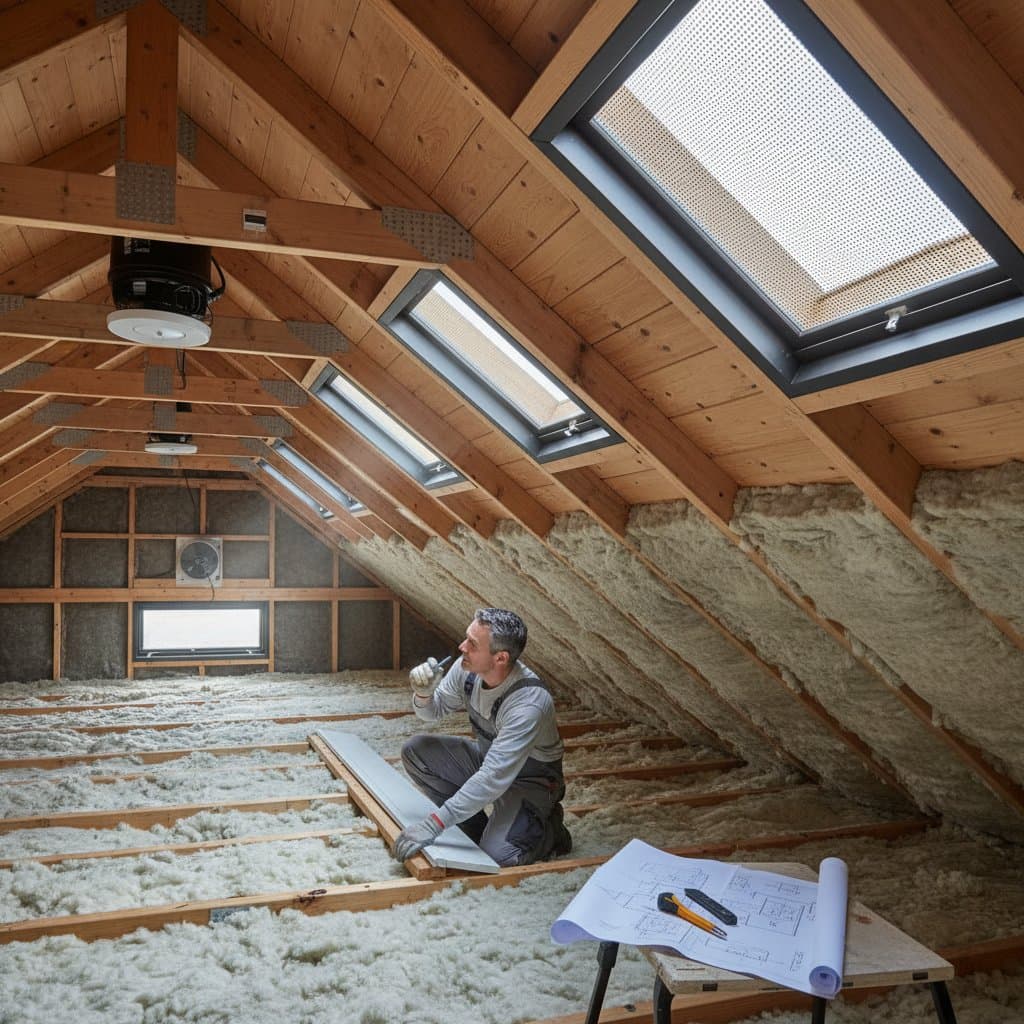
Effective systems combine intake and exhaust vents. Soffit vents draw cooler outside air inward. Ridge or gable vents release warm, humid air outward. A balanced system maintains roughly one square foot of vent area for every 300 square feet of attic floor space.
The Impact on Energy Efficiency and Comfort
Good ventilation lowers attic temperatures during summer months. This reduces air conditioning demand and supports consistent indoor comfort. In winter, steady airflow helps prevent ice dams by keeping the roof deck cold and dry.
Professional Versus DIY Ventilation Maintenance
Homeowners can clear debris from vent openings and check for blocked soffits. Professional inspections provide moisture testing, airflow measurement, and written reports that identify issues homeowners often overlook.
Time Savings and Reliability
A professional inspection requires one to two hours. A thorough DIY review can consume an entire weekend. Professional assessments detect more than 70 percent of hidden ventilation problems that go unnoticed during casual checks.
Safety and Warranty Protection
Attic work involves confined spaces and possible contact with insulation fibers or mold. Certified technicians follow safety protocols and use appropriate protective equipment. Many roofing warranties require documented professional maintenance to stay valid.
Sustainable and Energy-Efficient Ventilation Options
Homeowners interested in lower energy use can select systems that enhance circulation without added electricity demand.
Solar-Powered Attic Fans
Solar-powered fans cost 400 to 800 dollars installed. They operate on sunlight and reduce attic temperatures by up to 20 degrees during peak heat without raising utility bills.
Smart Ventilation Controls
Sensor-based controls measure humidity and temperature then adjust fan speed automatically. These controls cost 100 to 300 dollars and maintain optimal conditions without manual intervention.
Recycled or Low-Impact Materials
Certain vent products incorporate recycled aluminum or composite plastics that resist corrosion. These materials require less upkeep and support longer system life while contributing to sustainable home design.
Choosing the Right Contractor
Contractor selection directly affects system performance and mold prevention outcomes. Seek professionals who hold certifications from recognized roofing or energy-efficiency organizations. Request written estimates that list labor, parts, and timelines. Reputable providers include warranties covering materials and workmanship for multiple years.
Verify insurance coverage and review recent customer feedback before signing an agreement. A qualified contractor explains airflow calculations, identifies exact vent locations, and describes how intake and exhaust will remain balanced.
Common Mistakes to Avoid
Several frequent errors reduce ventilation effectiveness and raise mold risk.
-
Blocking Soffit Vents with Insulation
Insulation must never press directly against soffit vents. Install baffles to preserve open air pathways. -
Installing Only Exhaust or Only Intake Vents
Balanced airflow requires both intake and exhaust components. Exhaust vents alone can draw conditioned air from living spaces and increase energy waste. -
Ignoring Small Leaks or Condensation
Minor water intrusion creates damp areas that support mold. Regular inspections catch these problems before they expand.
Protect Your Home with Consistent Attic Airflow
Regular attention to attic ventilation supports structural integrity, limits mold growth, and maintains comfortable indoor conditions across all seasons. Homeowners who schedule timely inspections and select appropriate systems avoid larger repair expenses later. Consistent airflow management delivers lasting value through reduced energy use and improved air quality.